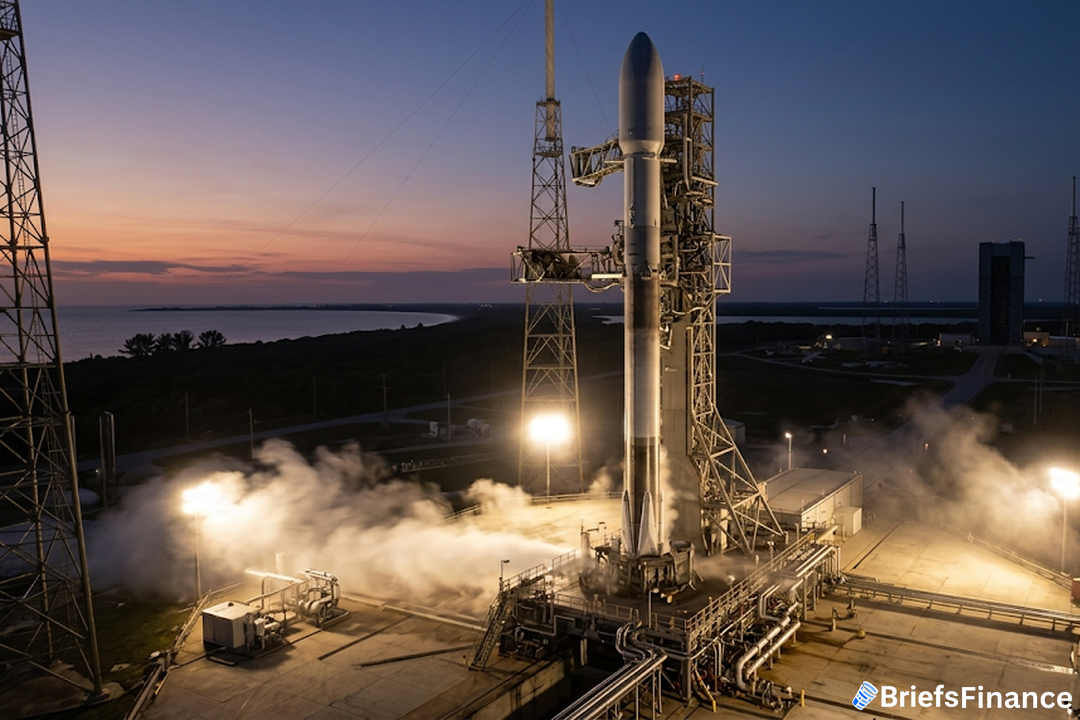
The Short Sellers' Big Payday
At the start of June, betting against SpaceX was losing money. Short sellers - investors who borrow and sell shares hoping to buy them back cheaper later - were down roughly $677 million on paper. By mid-July, the picture has flipped completely.
The numbers are staggering. Short interest - the total value of shares sold short - has jumped from $4.5 billion on June 15 to $25 billion today. That means more traders are piling on, expecting the stock to keep falling. About 192 million shares are now shorted, which is roughly 30% of all shares available for trading.
Such a high short-interest ratio signals that most market participants anticipate further declines. Historically, stocks with elevated short interest can experience sudden short squeezes if positive news emerges, but for now the bearish sentiment dominates. The stock's dramatic fall from its peak has erased roughly $1 trillion in market value, making it one of the most notable short-selling success stories of the year.
Get the market news that matters in a five-minute read with Market Briefs, our free daily newsletter
With short interest now representing nearly a third of the float, the stock remains highly vulnerable to either a continued decline or a sudden reversal. The absence of major positive developments in the near term suggests that bearish momentum may persist, though traders remain watchful for any unexpected announcements from the company. The steep drop from the IPO price has already led some early investors to exit their positions, further pressuring the stock.
"SpaceX has been a rollercoaster for the short sellers, and it has ended up firmly in their favor," said Peter Hillerberg, cofounder of Ortex.
The high short-interest ratio also raises the possibility of a short squeeze if SpaceX delivers unexpected positive news, but with the stock trading below its IPO price and no clear catalyst on the horizon, bearish sentiment continues to dominate.
What Drove the Stock Down
SpaceX raised $86 billion in its initial public offering, pricing shares at $135 each. The stock popped after the IPO, but the excitement faded fast. At its peak, the company was worth roughly $1 trillion more than it is today.
The decline worsened on a Friday after SpaceX scrapped a scheduled test of its Starship mega-rocket. The stock opened at $127 that day, below the IPO price, adding fuel to the sell-off. In an email to Business Insider, S3 Partners managing director Matthew Unterman noted that pessimistic traders have been intensifying their wagers against the company.
Behind the scenes, the short sellers had been adding to their bets as the stock rose. By June, they were deep in the red. Then the momentum shifted.
Short sellers are still piling in. The notional value of short interest has more than quintupled since mid-June. That suggests many traders believe the stock has further to fall.
Join Market Briefs, our free daily newsletter, for a quick daily rundown of the markets