Free NewsletterPro Login

7-Eleven Is Closing 645 Stores This Year While Betting Big on Food

Published Apr 14, 2026
Share:
Summary:
  • Parent company Seven & i Holdings confirmed that 645 7-Eleven locations across North America will close during the fiscal year ending February 2027.
  • The company plans to open more than 200 new stores in the same period, making this the fifth straight year that closures have outpaced openings.
  • The total North American store count is expected to fall from more than 13,000 in 2024 to 12,272 by March 2027. An upcoming IPO has been delayed at least 11 months.

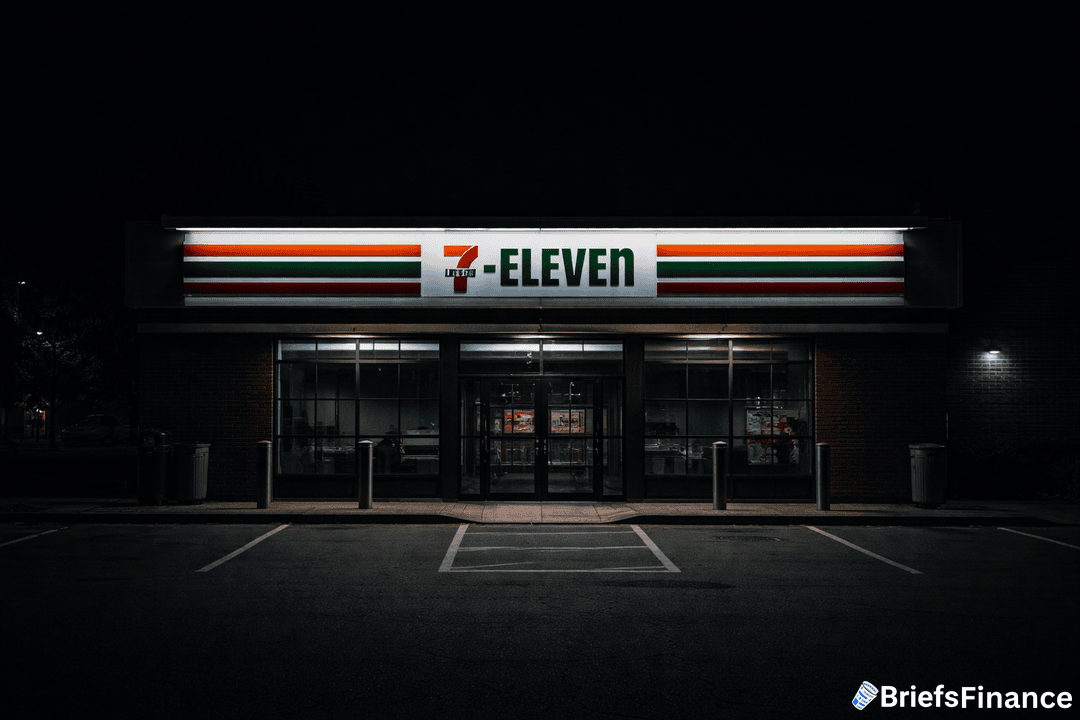
The chain that made the Slurpee famous is closing 645 stores. And it's not done yet. Seven & i Holdings - the Japanese parent firm of 7-Eleven - said 645 North American locations will shut down during the fiscal year that began in March 2026. That's on top of the 600-plus stores it already closed over the past two years. This is the fifth year in a row that 7-Eleven has closed more stores than it opened.

Why So Many Stores Are Going Dark

The old model is broken. For decades, 7-Eleven made money from three things: cigarettes, gas, and snacks. All three are fading.

Fewer people smoke. That means less tobacco revenue. Electric cars are cutting into fuel demand. And gas margins keep getting squeezed by wild swings in oil prices. The stores being shut down are mostly small, old, and not set up to sell what 7-Eleven wants to sell next. And what it wants to sell next is food. Real food. Hot meals, fresh drinks, and grab-and-go options. The problem: You can't put a kitchen in a store that was built for candy bars and Slurpees. The old layout doesn't work. So the company is closing those stores and opening new ones that can handle a full food menu.

The Numbers

In the spring of 2024, 7-Eleven had more than 13,000 stores across North America. By March 2027, that number will drop to 12,272. That's a net loss of about 730 stores in three years. Not every closed store becomes an empty lot. Some are being turned into "wholesale fuel stores." That model keeps the gas pumps running but drops the retail side. The company also plans to open more than 200 new stores this year. Those will be bigger, built around food, and made for the future of the brand. In plain terms: Think of it as a swap. Old, small stores go away. New, bigger stores take their place. The total count goes down, but each remaining store makes more money.

The IPO Factor

Seven & i Holdings has been planning to take 7-Eleven's U.S. arm public. But the IPO has been pushed back by at least 11 months due to shaky markets. CFO Yoshimichi Maruyama said the company is cutting costs and bringing some work in-house to get ready for the offering. Closing weak stores is a big part of that effort. It makes the books look better. When you drop the locations that lose money, the profit per store goes up. That's the kind of number that matters to IPO investors. Why this matters: The timing of the IPO will shape how fast the closures happen. If markets calm down and the IPO moves forward, the pace could slow. If it gets pushed again, expect even more stores to shut.

What to Watch

The 7-Eleven of 2027 will look nothing like the one most people grew up with. Fewer stores. Bigger footprints. More food. Less gas. The question is whether the bet on food pays off fast enough to make up for the stores being lost.

What This Means for Your Town

If there's a 7-Eleven near you, it may or may not stay. The company hasn't said which stores are on the list. But if your local shop is small, old, and mostly sells gas and snacks, the odds aren't great. For the towns that lose stores, it could mean one less place to grab a quick meal or fill up the tank. For the towns that get new ones, the new 7-Eleven will feel more like a fast-food spot than a gas station.

Disclosure

Get Market Briefs delivered to your inbox every morning for free!

No fluff. No noise. No politics. Just finance news you can read in 5 minutes.

Blogs

May 30, 2026
Financial Literacy Books That Actually Build Wealth
  • The best financial literacy books don't just teach budgeting, they shift how you think about money.
  • Two classics stand out: The Intelligent Investor for valuing investments, and Rich Dad Poor Dad for the owner's mindset.
  • Reading is only step one. The real wealth comes from acting on what you learn.
Read More
May 30, 2026
What Is a Roth Conversion? A Simple Guide
  • A Roth conversion moves money from a traditional retirement account into a Roth account.
  • You pay taxes on the money now, in exchange for tax-free growth and withdrawals later.
  • It can pay off if you expect higher taxes or more income in the future, but the timing and tax hit matter a lot.
Read More
May 30, 2026
Trailing Stop Loss: How to Protect Your Gains
  • A trailing stop loss is an order that automatically sells a stock if it falls a set percentage from its recent high.
  • As the stock rises, the sell point rises with it, locking in gains while capping losses.
  • It's most useful for active strategies like momentum investing, not for long-term buy-and-hold.
Read More
May 30, 2026
5 Types of Wealth: Why Money Is Only One of Them
  • Real wealth is more than a bank balance. It spans your finances, health, mind, purpose, and freedom.
  • Money is powerful, but it amplifies the life you already have rather than fixing a broken one.
  • True financial wealth means your cash flow covers your expenses, so your money works while you live.
Read More
May 30, 2026
How to Invest in Private Equity: A Beginner's Guide
  • Private equity means investing in companies that aren't listed on the stock market.
  • Traditional private equity is built for experienced, high-net-worth investors with large amounts to invest.
  • New rules have opened more accessible paths, like startup crowdfunding and real estate deals, often starting around $100.
Read More
May 30, 2026
What Is a Call Option? A Simple Guide With Examples
  • A call option gives you the right to buy a stock at a set price by a set date.
  • Investors buy calls when they expect a stock to rise, using less money than buying the shares outright.
  • The most you can lose buying a call is the premium, but time works against you, so it's an advanced tool.
Read More
May 30, 2026
EBITDA Formula: How to Calculate It Step by Step
  • EBITDA stands for Earnings Before Interest, Taxes, Depreciation, and Amortization, a measure of a company's core profit.
  • The formula adds those four items back to net income to show what the underlying business earns.
  • Investors use EBITDA to compare companies and to judge how many times earnings a stock is selling for.
Read More
May 30, 2026
What Is a Stock Option? A Plain-English Guide
  • A stock option is a contract giving you the right, but not the obligation, to buy or sell a stock at a set price by a set date.
  • There are two types: calls (the right to buy) and puts (the right to sell).
  • Options are powerful but risky, so they suit investors who already have the basics down.
Read More
May 30, 2026
Put Option: What It Is and How It Works
  • A put option gives you the right to sell a stock at a set price by a set date.
  • Investors use puts to bet a stock will fall, or as insurance to protect shares they own.
  • The most you can lose buying a put is the premium you paid, which makes it a defined-risk tool.
Read More
May 30, 2026
Operating Margin: What It Is and How to Calculate It
  • Operating margin shows how much profit a company keeps from its core business after paying its running costs.
  • The formula is operating income divided by revenue, shown as a percent.
  • A strong, steady operating margin signals a well-run business that controls its costs.
Read More
1 2 3 22
Share via
Copy link











