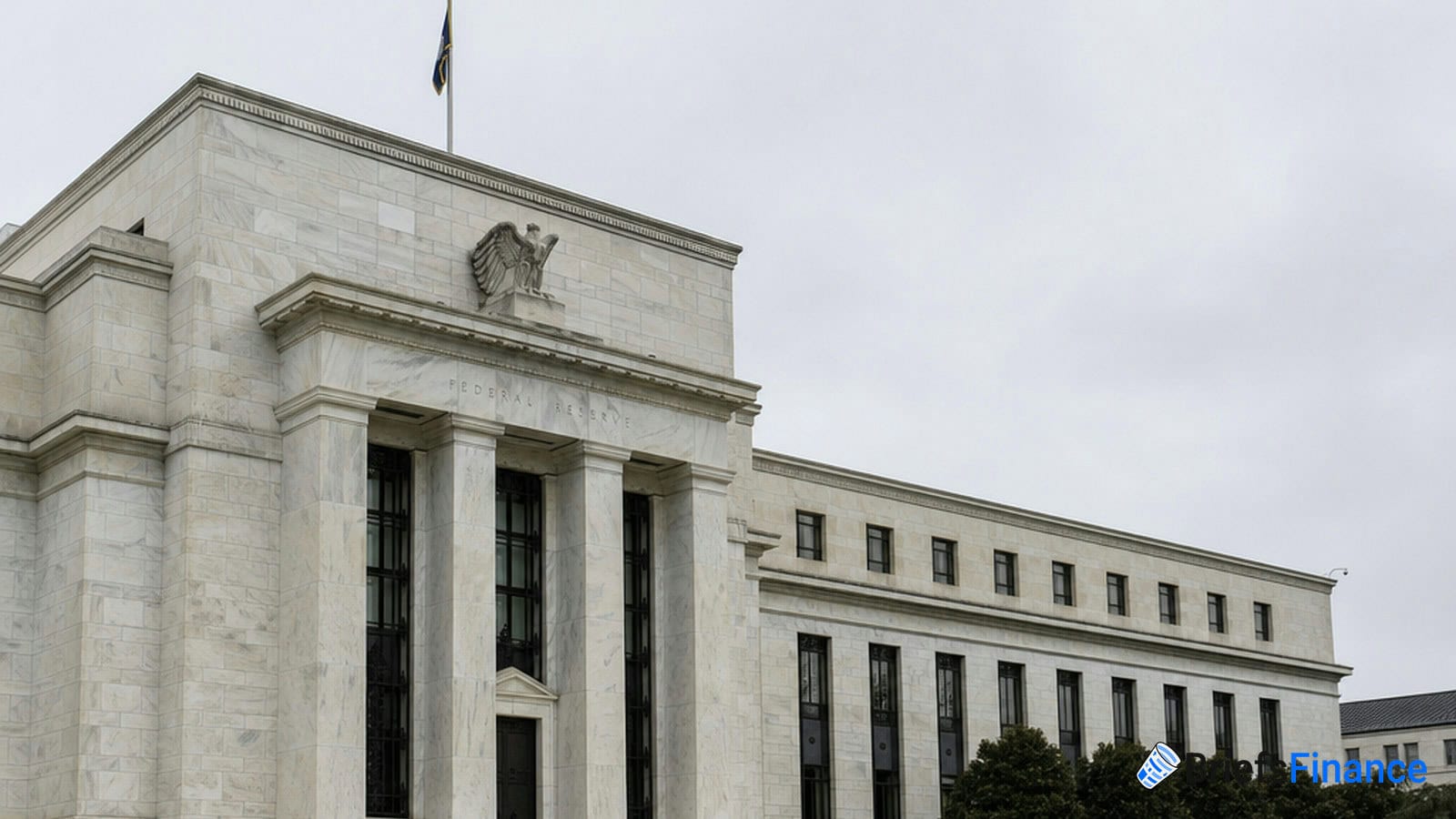
Minneapolis Fed President Neel Kashkari just told CNBC that inflation is "much too high" while the job market is "in decent shape" - a split read that points away from the rate cuts investors have been waiting for.
Inflation Stays Hot, Jobs Stay Steady
The Fed has two jobs - keep prices stable and keep workers employed - and right now only one of those looks broken.
Headline inflation hit 3.8% in April, nearly double the Fed's 2% target, while core inflation (which strips out food and energy prices) came in at 2.8% year over year.
Inflation has now sat above that target for more than five years straight.
The job market, by Kashkari's read, is doing fine - no layoff wave, no hiring collapse, and nothing pushing the Fed toward emergency rate cuts.
We unpack what the Fed actually does next in Market Briefs every weekday morning - and you get a free 45-minute investing masterclass when you join.
Energy Is The New Inflation Driver
Kashkari pointed at one specific source behind the latest inflation push: energy and fertilizer prices.
Neither of those costs stays contained. Energy shows up in every shipped product, factory floor, and grocery aisle, while fertilizer pushes food costs higher months down the line.
Beyond those two, Kashkari named a wider trigger list - leftover pressure from COVID, tariffs, the war in Ukraine, and now the Iran conflict.
He said he's watching for when energy prices start showing up outside the energy category, which is the point where a supply shock turns into a broader inflation problem.
What To Watch
The bigger risk Kashkari flagged isn't the 3.8% number itself.
It's what happens if people start expecting high prices to stick around. Inflation expectations work like a thermostat people set in their heads - once they reset it higher, every wage talk, every price tag, and every contract starts working off the new number.
Kashkari said if those expectations come "unanchored," the Fed would have to "respond even more aggressively."
That's not a hint at rate cuts - it's a hint at the opposite.
For now, the Fed's signal is steady: hold rates, watch energy, and wait for the jobs side to ask for help - which it hasn't done yet.
If you want the daily read on what the Fed and the market are actually doing with your money, join 350,000+ investors reading Market Briefs - delivered every morning with a free investing masterclass thrown in as a bonus.