What Olam Agri is building
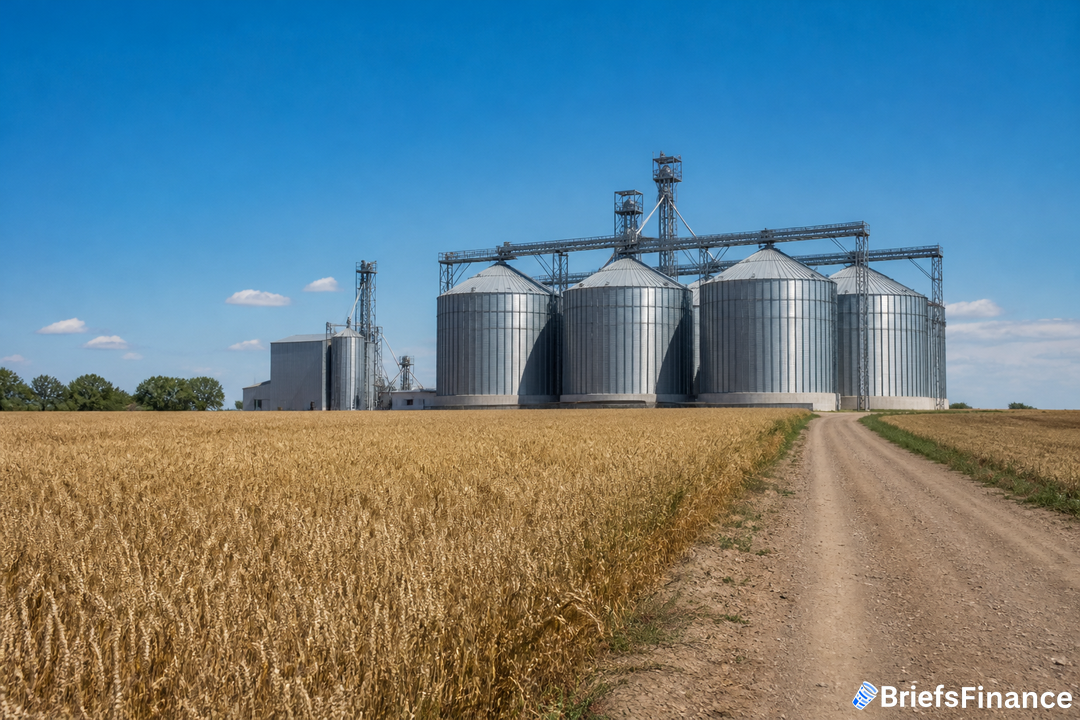
Olam Agri is sharpening its focus on Africa's food supply chains as diets tilt toward more protein and processed staples. The company intends to invest about $400 million by 2028 in countries that include Nigeria and Ivory Coast, adding facilities to make chicken and fish feed, process grains and expand wheat milling.
Olam Agri aims to add more animal-feed plants across Nigeria, Cameroon and Ivory Coast, marking its first entry into food and feed processing in Ivory Coast. Pasta-making capacity in Ghana is set to increase, and the company is weighing an expansion into southern Africa that includes Angola. The company broke ground on Wednesday on a $70 million feed mill in Ogwashi-Uku in Delta State, southern Nigeria.
Who is backing it and where it already plays
Olam Agri is controlled by Saudi Agricultural & Livestock Investment Co., after SALIC purchased stakes from Singapore's Olam Group Ltd. The business has operated on the continent since 1989 and ranks among Africa's leading wheat millers, with a footprint in Cameroon and Nigeria. In Nigeria, the company runs animal feed plants and markets cooking oil using the Mama's Pride label.
Since 2024, the company has already directed roughly $115 million into processing assets in West Africa. The new program layers on storage to buy local harvests and hold stockpiles. If domestic corn or soybeans are not sufficient, the shortfall will be covered through Olam Agri's global trading network, a channel it will likewise tap for certain African countries that continue to rely on imported wheat.
Shifts in global supply chains often create long term openings for attentive investors. We're hosting our first ever investor livestream on 11/17 to show you how to use ChatGPT and Claude to invest like a pro, hosted by Briefs Finance CEO Jaspreet Singh. Save your seat.
Why the timing makes sense
Africa's population is the fastest growing worldwide, and the number of city dwellers on the continent is expected to nearly double to 1.7 billion by 2050. That urban shift is boosting demand for convenience foods such as bread and noodles, while rising incomes in some countries are lifting appetites for meat, fish, and other sources of animal protein.
At the same time, heavy reliance on imported wheat, rice and finished food leaves consumers and governments exposed to currency swings and supply shocks, including the recent uptick in assaults targeting the Black Sea grain-export hub. That dependence has pushed governments to attract investment in local processing to trim imports and lower the cost of finished goods, which can help ease food inflation.
The bottom line for investors
"We believe in Africa's long-term growth," Mehra said. "The investment will expand local processing capacity, support government priorities on value addition, and help strengthen food security."
Using smarter tools can help investors find steady edges in evolving markets. On 11/17, our CEO Jaspreet Singh goes live for our first ever investor livestream on how to use ChatGPT and Claude to invest like a pro. Register to join him.