What Fadillah said
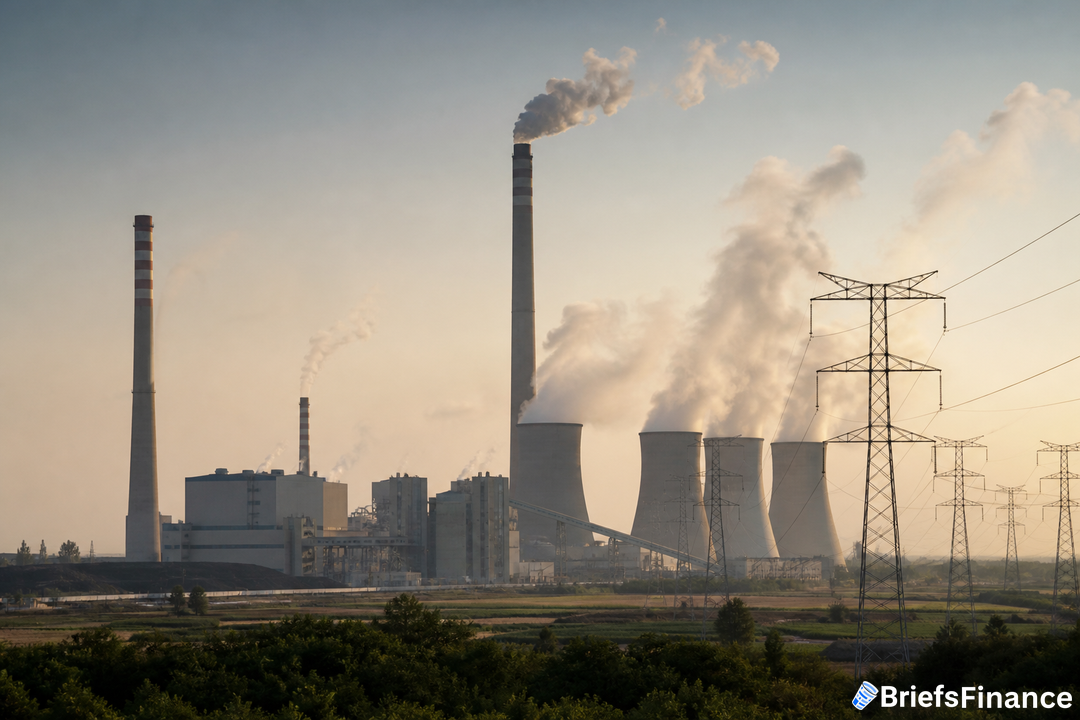
Malaysia is open to keeping current coal-fired stations running longer if reliability requires it, according to Deputy Prime Minister Fadillah Yusof, who also serves as the minister responsible for Energy Transition and Water Transformation. In a Monday interview during Singapore International Energy Week, he said, "We are looking at all circumstances," adding, "At the end of the day, we have to make sure that we have power." He also reiterated that no new coal-fired facilities will be approved.
Why the pivot
Regional energy plans are being revisited as the war in the Middle East has choked liquefied natural gas exports and disrupted crude flows. Malaysia is also facing a jump in electricity demand, partly tied to its push to become a major data center hub. Since the conflict began, the country has diversified oil and gas supplies, including sourcing crude from Africa.
When energy choices shape the future we all share, subscribe to the free Market Briefs newsletter for five minutes or less a day.
The investor angle
Even as the country trims reliance on oil and gas and scales up renewables with a goal for clean power to reach 70% of generation by 2050, Malaysia plans for its last coal plant to shut down in 2044. If coal units stay in service longer, co-firing - burning coal with other fuels - is on the table. The bottom line: expect a pragmatic mix as Malaysia balances grid stability with a long-term pivot to cleaner power, a setup that can influence fuel demand, utility capex, and regional power prices in your portfolio.
Because staying informed about power and policy matters makes planning easier, get our free Market Briefs in five minutes daily.