What Källenius said in Berlin
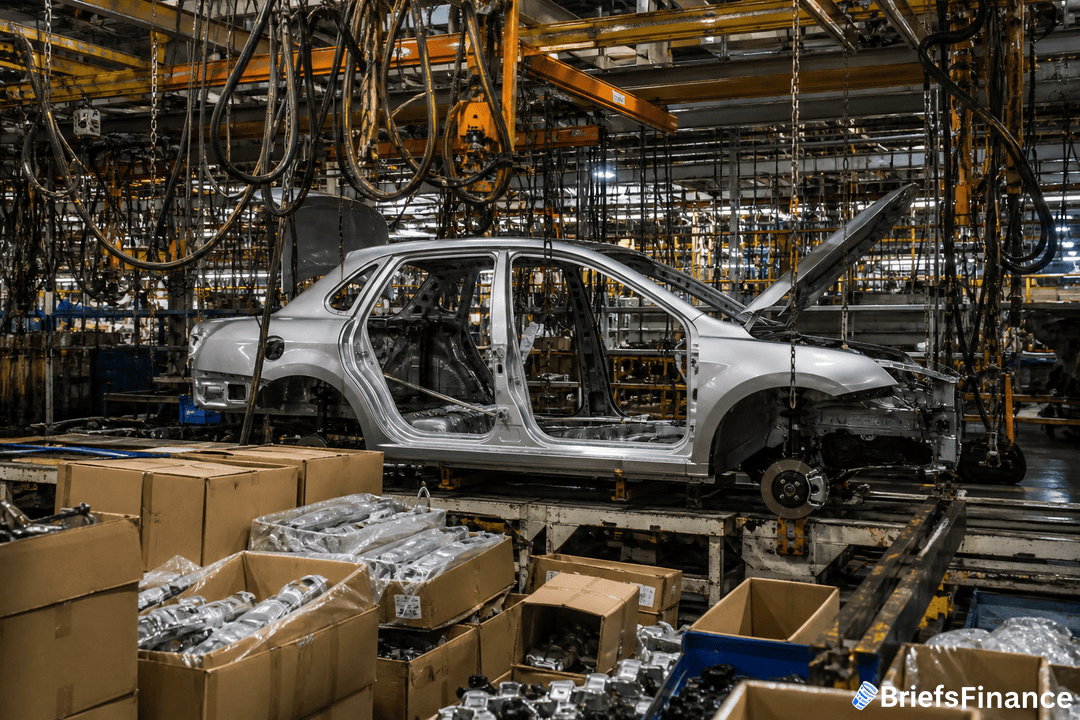
Källenius framed the modern car as a globally sourced machine built from thousands of components and warned that new restrictions would raise production costs even as they build resilience. He summed up the trade-off bluntly: "It's a balancing act."
Europe, he added, cannot become "an island" that stops doing business with partners like the US, China, Japan, South Korea and India. His words matter all the more as he holds the presidency of the European Automobile Manufacturers' Association, the leading automotive lobby in Europe.
Where EU policy stands now
Last week, the EU made progress on a package to tilt the field toward "Made in Europe" output, seeking a level playing field for companies such as Volkswagen AG and Renault SA that face heavy competition from Chinese imports. The same deal could disadvantage partners such as Japan and South Korea.
Europe's struggling carmakers have been getting more political support recently. During this month, the EU and China reached an in-principle accord to limit imports of hybrid cars from China into the region after shipments surged; Brussels views it as a pilot aimed at narrowing the widening trade gap with China and as a potential model for areas such as pharmaceuticals and chemicals.
When trade policy and supply chains affect costs, staying informed matters, so sign up for the free Market Briefs newsletter
The bigger picture for autos and your portfolio
Källenius urged the EU to sign more trade deals, praising work to finish a long-delayed agreement with South America and to advance talks with India and other partners. He also cautioned that protectionism has returned after decades when globalization went largely unchallenged.
The result is a stark dilemma for automakers - they urge Brussels to push back against what they consider subsidized imports, yet they oppose local-content mandates and supply-chain curbs that would increase the cost of producing cars in Europe.
Policy shifts and global sourcing can cloud decisions, so sign up for the free Market Briefs newsletter for five-minute context