Connectivity clamps and the battlefield hit
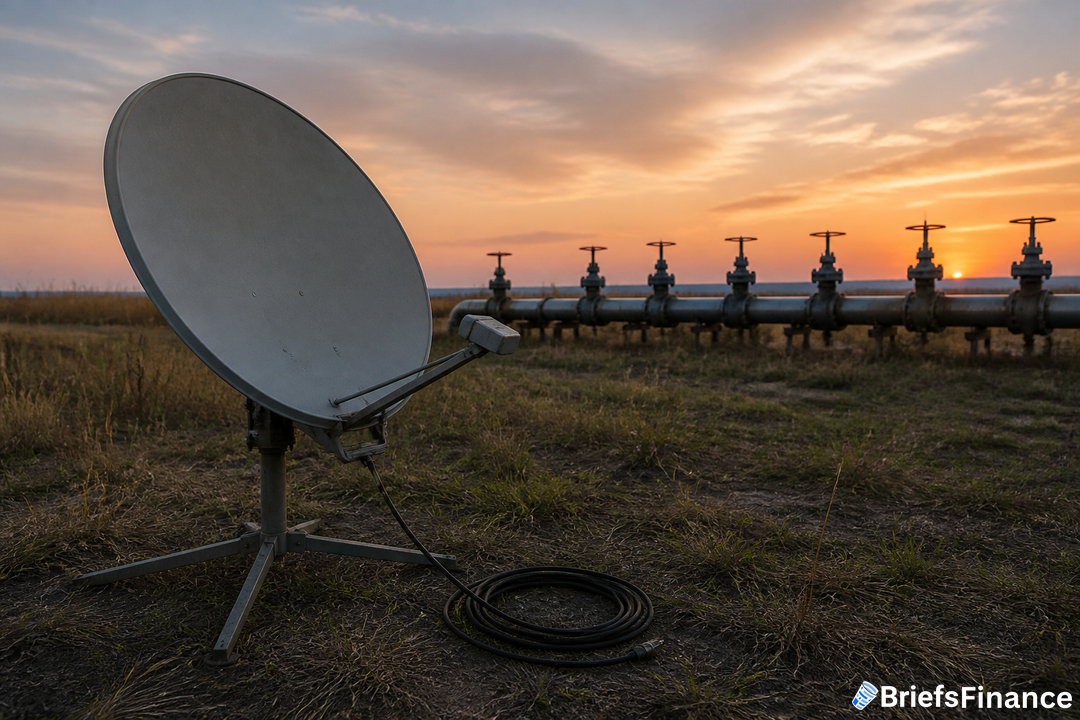
Zelenskyy told reporters in WhatsApp audio that constraints on Starshield - the defense-focused, Starlink-based service - look deliberate, not a glitch. He said connections are slower across Ukraine and that links cut out above 161 kilometers per hour, while Russian jet drones travel at about 400 km per hour.
To check whether the problem was local or systemic, Kyiv sent Starshield-equipped vehicles to Europe for speed tests. They worked normally outside Ukraine, leading officials to conclude the limits "are on the territory of Ukraine - so it is a planned operation." Ukraine leans on Starshield to help air defenses intercept jet-powered drones and to target artillery, and Zelenskyy said slower data is hurting both defenses and deliveries of food and supplies to the front. "We lose Starlink and lose the interceptor," he said. He added that F-16s are bringing down roughly 60% of the jet-powered drones, and that new ammunition is arriving to reinforce air defenses.
Zelenskyy has accused Donald Trump and Elon Musk of ordering the restrictions and said they have led to civilian deaths. On Friday, Trump said he did not order limits on Ukraine's access and said he did not think SpaceX Chairman Elon Musk had done so. Musk wrote Wednesday that "any limits on speed or usage are decided by the US military and ultimately" the president. Tensions escalated following Trump's announcement last week of a diesel deal with Vladimir Putin; after Zelenskyy labeled that US decision weak, Ukrainian defense officials said their Starshield access had slowed.
Tariffs put on ice and the Graham law
Just before Zelenskyy's comments, Trump moved to suspend the rollout of tariffs on Russian energy exports required by a new law advanced by Senator Lindsey Graham before his death in July. In an executive order late Friday, Trump said he used the law's waiver "in the national interests of the United States." The directive formally puts the tariffs on the books but pauses their implementation, leaving the door open to enforce them later. The law's one-month clock was due to run out on Oct. 18.
The law directs the president to: levy 100% tariffs on all goods originating in the five largest purchasers of Russian crude; expand sanctions to a wide array of Russian entities; and slap 500% duties on any Russian energy product imported into the United States. That package clashes with Trump's proposal, rolled out last week, under which he would cooperate with Putin to release Russian diesel into global markets, aiming to pull down US diesel prices near record highs before the Nov. 3 elections. A bipartisan group of senators pressed Trump this week to scrap the diesel deal and enforce the Graham law, and many Republicans were already angered by the diesel move.
When global events touch multiple sectors, staying informed matters, so sign up for the free Market Briefs newsletter for concise daily context
Senator Elizabeth Warren said Saturday that by waiving the sanctions, Trump ignored Congress's directive to intensify pressure on the Kremlin and thereby aided Vladimir Putin's war. She called on Congress to undo the diesel deal, take tougher action against Russia and those who abet it, and bolster assistance for Ukraine. Kirill Dmitriev, Putin's presidential envoy who is part of the team negotiating with US officials on the war, called Trump's step a "truly historic moment" on X, arguing economic cooperation benefits both nations.
A night of strikes and competing tallies
Zelenskyy said Russia carried out one of its biggest combined missile and drone barrages on Ukraine's energy system overnight, hitting 15 critical generation and transmission sites. Ukraine's General Staff said the barrage involved ballistic and cruise missiles along with 332 Shahed-type drones, 31 of them jet-powered models, and reported downing 289 drones and 4 Kalibr cruise missiles.
Russia's Defense Ministry said it intercepted 610 Ukrainian drones overnight across 16 regions, Crimea, and over the Black Sea. Late Friday, Putin said Russia would continue extensive attacks aimed at Ukraine's defense-production infrastructure and supply hubs. Zelenskyy directed fresh hits on Russian oil refineries, breaking the pause that followed Trump's call for an energy truce.
Why investors should care
Two pressure points just converged: Ukraine says a core data link for air defense is being throttled, and the US has paused new Russia energy tariffs while pursuing a diesel release plan.
The bottom line: watch policy follow through. The waiver keeps tariff tools ready but unused, and Kyiv says new air defense supplies are arriving even as Starshield speeds lag.
In complex news cycles, a quick clear roundup helps, subscribe to Market Briefs to get essential context in minutes