How E.l.f. kept value at the center and scaled anyway
CFO Mandy Fields, appointed in 2019 and a member of the CNBC CFO Council, helped guide E.l.f. Beauty from a budget-friendly, cruelty-free makeup label to a global player. The company added to organic momentum with deals, buying Naturium for $355 million in 2023 and lifestyle beauty brand Rhode for $1 billion in 2025, and by August it had reached the 30th straight quarter of net sales growth.
For the 2026 fiscal year ended in March, net sales came in at $1.636 billion, up 25% from a year earlier. Fields said the mission has stayed put: "We are intentional about staying true to that mission of making the best of beauty accessible," adding, "That really is something that we think about and talk about all of the time." With shoppers being "choiceful with how they spend," she pointed to price as ballast: "Seventy-five percent of our portfolio is $10 or less," and "[Consumers] are still voting for E.l.f. because of the value proposition, the innovation, the fun marketing and digital that we bring to the table, the accessibility."
Tariffs, refunds, and the pricing reset
Roughly 40% of E.l.f.'s products are sourced from China, and last year the company took a blow exceeding $50 million due to tariffs. In August 2025, it lifted list prices by approximately $1 on products companywide, citing tariffs and inflation, and explained the move publicly. At the time, CEO Tarang Amin said on CNBC's Jim Cramer's program that consumers appreciated the openness, but Fields said sales ultimately declined after the increases.
Following the Supreme Court's invalidation of the tariff rules, E.l.f. obtained roughly $50 million in refunds related to those duties, along with interest. In the quarter ending in August, that helped net income grow by about 100% and widened gross margin by 14 percentage points versus a year earlier, according to its earnings report. The company reversed many of the earlier price hikes and found only 10% of items showed a meaningful sales lift from the reductions, so it is keeping those specific items at the lower price. Most of the refund is going to marketing.
Creators, community, and fast product turns
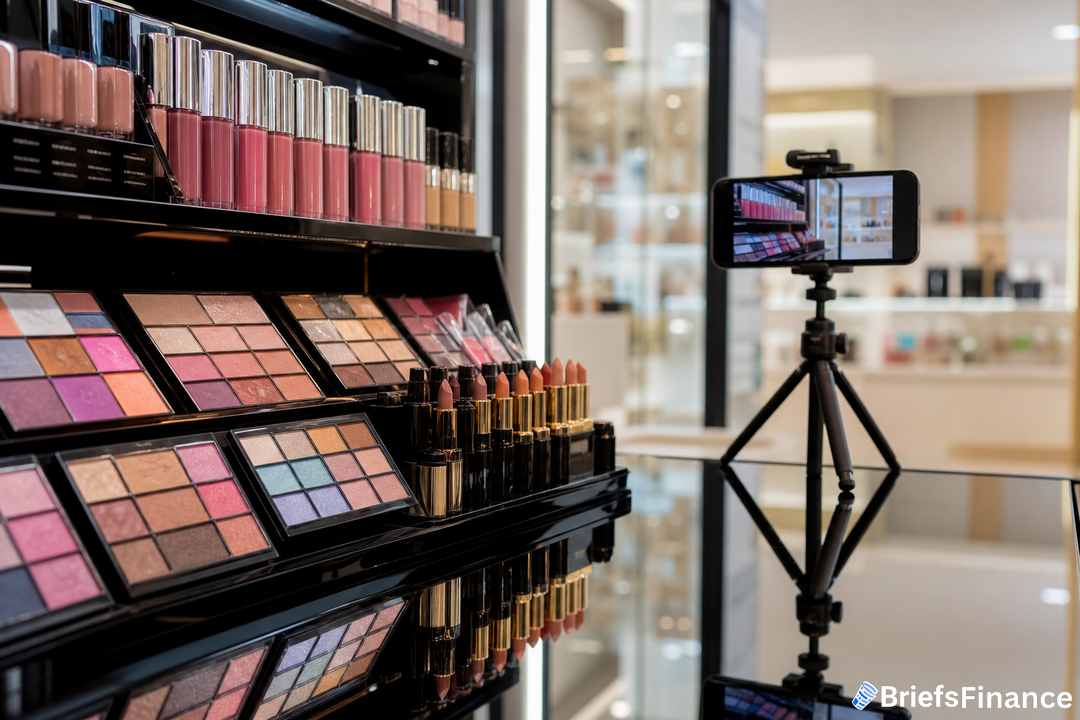
Marketing is a core budget line. "We spend 23% to 25% of our net sales behind marketing and digital," Fields said. "We've used that marketing to stay very connected to our community." "Influencers and creators really have transformed how beauty generally is going to market," she said. "People look to influencers to educate them, to tell them about the new hot thing out there."
When consumer trends feel complex, a quick daily update helps you stay confident, so sign up for the free Market Briefs newsletter
While E.l.f. does work with some big names, Fields said most spending goes to mid and smaller creators. "They have that more authentic connection to community," she said. "A lot of the posts that you see for E.l.f. are organically done," she added. "So we might send them some product, but they're going to choose if they talk about it or not with their communities."
Consumer feedback loops directly into product ideas. "We say there's zero distance between us and our community," Fields said, noting how the team reads social comments and listens on TikTok Lives. That input helped spark bronzing drops requested during a TikTok Live and a pickle lip balm inspired by a broader social trend. "We're always listening and we're trying to be as fast as possible in responding to those requests, and I think that's been a bit of the secret sauce of E.l.f.," she said.
What this means for your portfolio
The earnings math links back to a few levers that are easy to track: a price ladder where most items are $10 or less, roughly 40% China sourcing managed through tariff swings, and a marketing engine that consistently runs at about a quarter of net sales. Refund dollars funded media and selective price cuts where they moved volume, and the quarter ending in August showed the impact with net income up about 100% and gross margin up 14 percentage points.
There is brand momentum behind the numbers, too. On March 18, 2024, the New York Stock Exchange hosted E.l.f. Beauty in honor of the company's 20th anniversary of founding, capping a run that includes acquisitive expansion. For investors, the watch list is straightforward: the durability of 23% to 25% marketing spend, how much of the assortment stays at or below $10, and whether community-led launches keep converting attention into sales.
If you want to follow retail and consumer news without the noise, subscribe to the free Market Briefs daily newsletter