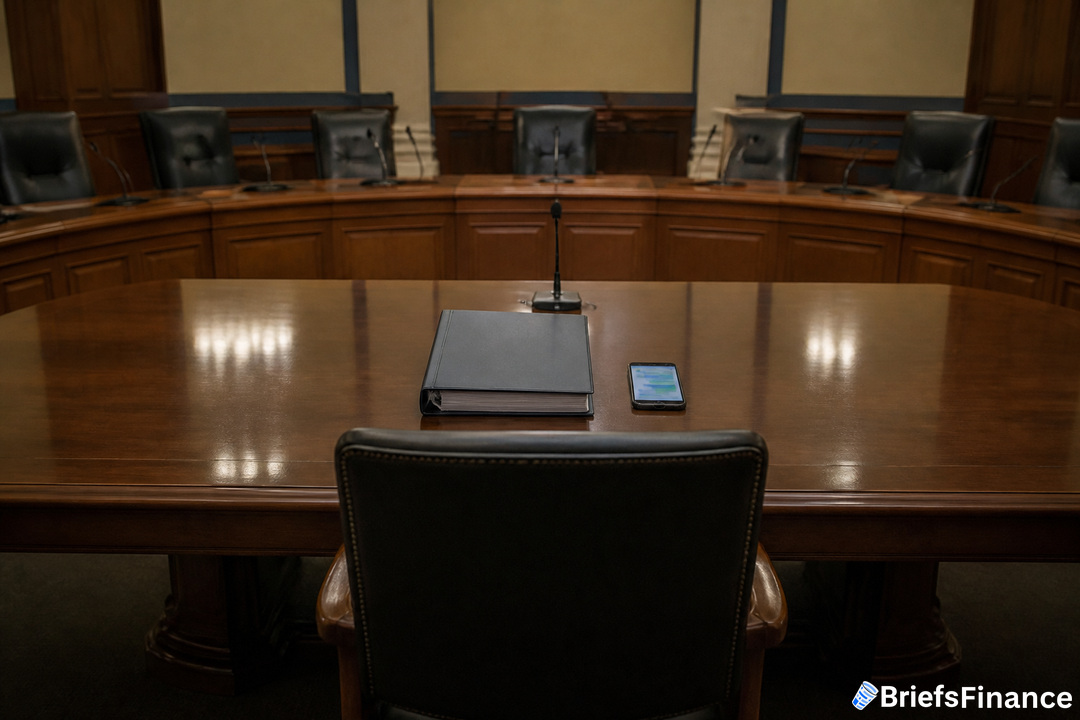
What set off the hearing
SpaceX's Gabriela Castillo Madrid appeared by video before the council's tech committee on Friday and immediately ran into pushback. Menin challenged her assertion that the company has appropriate safeguards, saying she and her team typed her name into Grok that morning and quickly found a sexualized image of her. Castillo Madrid said SpaceX maintains "strict controls" and that its safety team would review the specific case.
Tech committee chair Carmen De La Rosa condemned it as "disgusting" that Grok allows people to transform real women's photos into sexualized material without consent. Menin added, "I just don't understand how you can say that there are these safe models," calling the situation "unacceptable."
Councilmember Mercedes Narcisse pressed on medical use. Castillo Madrid said Grok is "not meant to be a clinician, a doctor," and added, "in terms of privacy, users decide whether their Grok conversations are used to train our models or not." Narcisse warned that telling people on X to upload MRIs or X-rays and expect a firm diagnosis is dangerous, then criticized the SpaceX representative for vague replies: "You're supposed to give us answers, you're not."
Whistleblowers, safety culture and Kim's account
When De La Rosa asked how many whistleblowers SpaceX had terminated, Castillo Madrid replied that she did not know of any. Menin then referenced reporting that former employee Devin Kim was let go after raising serious safety issues. Castillo Madrid said she was not familiar with that case and described a culture where "everybody has a an ability to say something when they see something."
Kim, who serves as President of the nonprofit Center for AI Safety, appeared via video alongside his lawyer. He said he was among the first hires at xAI and "built the systems that researchers use to train and evaluate Grok." He told council members he started escalating concerns in January 2025 and that his manager shut them down, quoting his supervisor as saying, "AI safety was useless, and that AI would kill us and all anyways."
When policy and technology intersect, staying informed matters, so sign up for the free Market Briefs for a quick daily summary.
Kim also said that earlier internal standards permitted "tasteful nudity" and framed it as the goal. He testified that there were three people handling AI safety during his tenure, and that many departed after he left, which he linked to dissatisfaction with how safety was run.
Attendance fight, merger moves and legal pressure
SpaceX initially skipped an Oct. 5 hearing with OpenAI, Anthropic, Google and Meta, defying requests and a subpoena. The company ultimately committed to attend this week once the council warned it would seek a court order to compel attendance. The inquiry follows a month of heated debate about advanced AI risks, and the council says it will use testimony and documents from the probe to shape new rules.
In February, Elon Musk combined SpaceX with xAI, tying his AI and social platform operations to the rocket business, which also operates the Starlink satellite internet network. The merger put Grok under SpaceX's oversight, and the model sees use at certain federal agencies, including the Pentagon. In June, SpaceX debuted on public markets and is valued at roughly $2 trillion. In August, SpaceX closed a $60 billion deal to buy AI coding startup Cursor.
By missing the earlier session, SpaceX avoided questions from U.K. Parliament member Jess Asato, who testified there about being targeted by online abuse fueled by AI. In the U.K., Asato has brought a lawsuit against xAI, claiming Grok users generated and distributed sexualized images of her without consent, and she is seeking damages both for the tort of misuse of private information and for infringements of European data protection laws. The BBC reported she criticized SpaceX's failure to appear as "arrogance." SpaceX failed to provide a comment when asked before the meeting.
Why it matters for your portfolio
Regulatory heat is rising, and this council's findings could inform new AI rules that touch everything from user privacy to model governance. At the same time, SpaceX now controls Grok and has made big corporate moves and claims a multitrillion valuation, while testimony surfaced questions about internal safety resources and standards.
The bottom line: the probe, the merger, and the lawsuit front all point to policy risk joining product risk for a major name in AI and space. For anyone tracking exposure to SpaceX or its partners, watch how City Hall's inquiry, potential regulations, and any follow on disclosures evolve.
When debates over technology are unfolding, it helps to have quick reliable context, so subscribe to Market Briefs newsletter every morning.