What happened on the ground
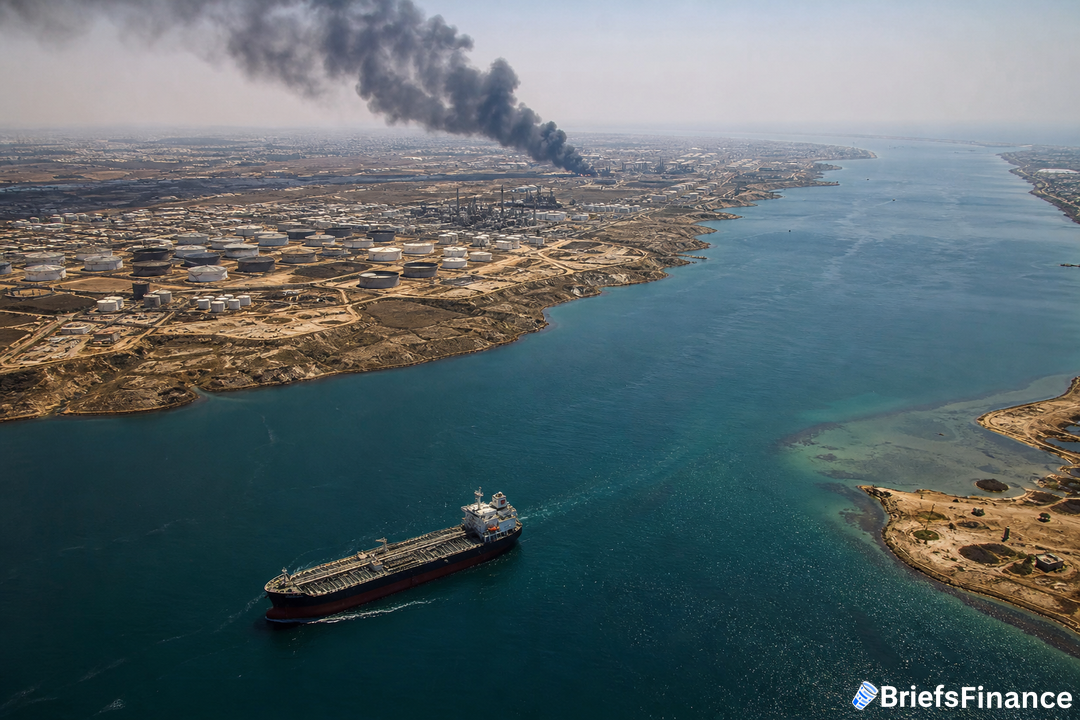
Overnight, an administrative facility tied to Saudi Aramco in the eastern city of Dhahran was struck, sparking a blaze but leaving no one hurt, per a statement from the country's Ministry of Energy. The incident comes as the Tehran-backed Houthi group has stepped up attacks inside the kingdom over the past week.
Strikes on airports in the capital resulted in multiple deaths, halted flights and damaged property. Authorities say Riyadh's King Khalid International Airport will remain shut until Saturday.
The bigger regional drumbeat
Fighting in Yemen has returned to a full-scale clash between the Houthis and the internationally recognized government, against the backdrop of a wider region-wide flare-up tied to the U.S.-Iran war.
On Wednesday, Iran Revolutionary Guard chief Ali Ozmaei said Tehran is "counting the moments" until it can sink American warships.
According to The Wall Street Journal, Tehran has reinforced protection for sensitive locations, including nuclear sites, and has informed regional officials it would answer any additional U.S. strikes with retaliation across the Middle East, even as it readies the public for a return to war in the coming weeks. On Tuesday, U.S. President Donald Trump said the U.S. military would refrain from striking Iran prior to the Nov. 3 midterm election.
Attacks on energy infrastructure reprice oil within hours. Market Briefs covers that risk free every morning.
Shipping scares and who says they are in charge
CNBC could not independently verify those accounts. Later the same day, the United Kingdom Maritime Trade Operations Centre said a "verified source" reported a container ship had been hit by an "unknown projectile."
Overnight on X, U.S. Central Command rejected claims that Iran controls the strategic chokepoint, posting: "IRGC's navy commander has no navy.
Why it matters for your money
Energy and trade routes are the pipes that feed everyday prices. A hit on an Aramco office, a closed airport in the capital, and saber-rattling around Hormuz all point to the same pressure: potential friction in crude flows and regional shipping. Keep an eye on the strait and whether attacks persist against critical infrastructure. That is what can filter into pump prices and the broader volatility you feel in your portfolio.
Strikes on corporate sites raise the stakes beyond supply. Get the free Market Briefs daily newsletter and follow it.