Trump's Saturday Ultimatum
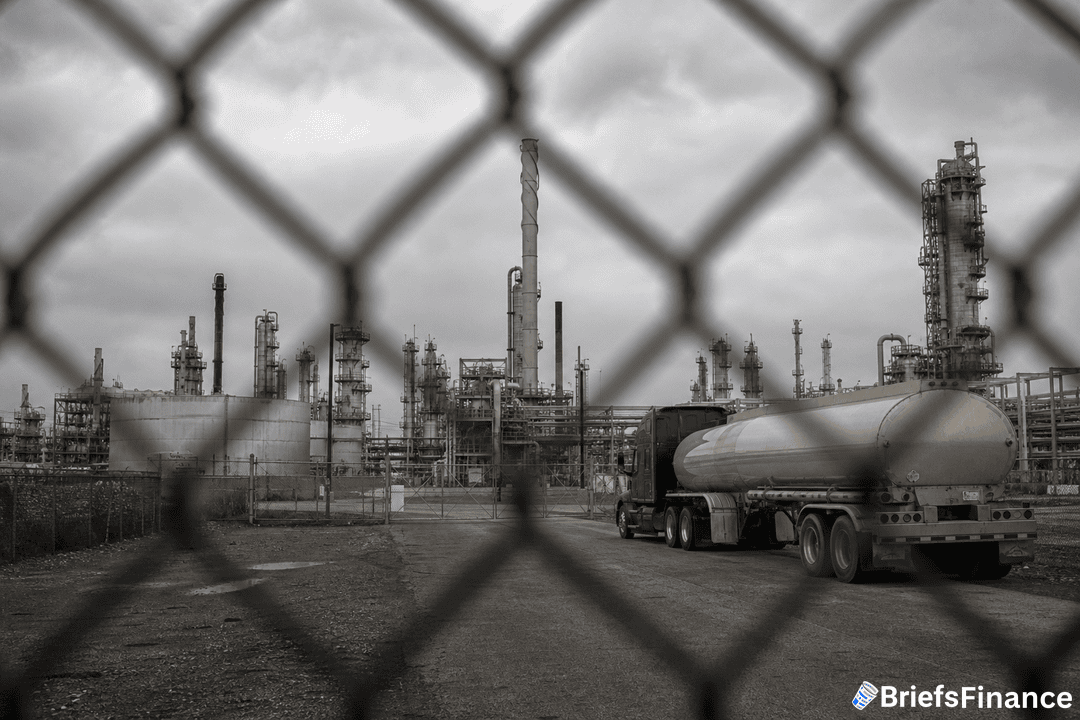
Trump ratcheted up the pressure on Kyiv, telling reporters it's "time for Ukraine to get a new president" and arguing the country needs a leader "who can make a deal" with Russia. He said there are "plenty of targets" and told Ukraine, "Don't hit refineries." The effort stems from the White House hustling to secure extra diesel before the Nov. 3 elections.
Zelenskyy had already criticized the US move to help put Russian diesel back into world markets, including via a Treasury waiver for some sanctioned fuel. Diplomatic friction followed on Friday when Ukrainian negotiators left Miami a day earlier than planned after talks with Trump's envoys about ending Russia's full-scale invasion. Hours later, strikes on residential buildings in Ukraine killed at least 20 people.
Since Trump returned to the White House in 2025, he has repeatedly clashed with Zelenskyy. Trump has swung hot and cold on Zelenskyy since.
Inside the Diesel Plan
On Friday, Trump said he was coordinating with Russian President Vladimir Putin on a diesel release, undoing years of sanctions while the White House seeks to tame surging fuel costs ahead of the vote. He detailed an initial tranche of cargoes set to start this month, with about 13.5 million barrels at the outset, he said. A Kremlin readout quoted Putin saying Russia stands ready "to supply oil and petroleum products to the US and global markets."
On Saturday, Russia partially lifted its diesel export ban, clearing 500,000 metric tons for international markets. Officials did not say when those volumes would ship or if more exports might follow.
Diesel, the workhorse fuel for trucking, farming, and industry, is back in focus after a severe supply crunch pushed pump prices to records and fanned fears of energy-driven inflation.
Strikes on refineries move fuel prices far beyond the countries involved. Market Briefs covers that link free every weekday.
Pushback in Washington and Europe
Democrats quickly denounced Trump's effort to facilitate Russian energy sales, arguing it would hand Moscow badly needed funds for the war in Ukraine. Some Republicans broke with him, too. Representative Brian Fitzpatrick, from Pennsylvania, plans to introduce a bill to block any US purchases of Russian oil, he said, writing, "It will be called the 'Ronald Reagan Peace Through Strength Act.'"
Senator Lisa Murkowski of Alaska likewise faulted the decision, pointing out that Congress passed legislation that authorizes the president to impose tariffs on nations purchasing Russian petroleum products, and that he signed it. "We can discuss Russia's return to global energy markets once the war is over, but in the meantime, we need to cut off everything fueling it," she wrote.
Following the US announcement, Germany and the UK affirmed they would keep strong sanctions in place against Russia. UK Prime Minister Andy Burnham spoke with Zelenskyy on Saturday and, per Downing Street, plans to see him face-to-face in the coming days, reaffirming London's complete support for Ukraine.
What It Means for Your Wallet
If extra diesel actually hits the market, it could take some heat off shipping and food costs. But the timeline is uncertain: Russia authorized 500,000 metric tons without saying when it will move or whether more will follow, and European capitals are sticking with sanctions even as the White House pursues a diesel release. That policy back-and-forth can jolt energy prices, and when diesel spikes, it tends to ripple into everything from grocery deliveries to heating bills.
Pressure over energy targets is really pressure over global prices. Join Market Briefs free and follow it.