What Eneva Is Pitching
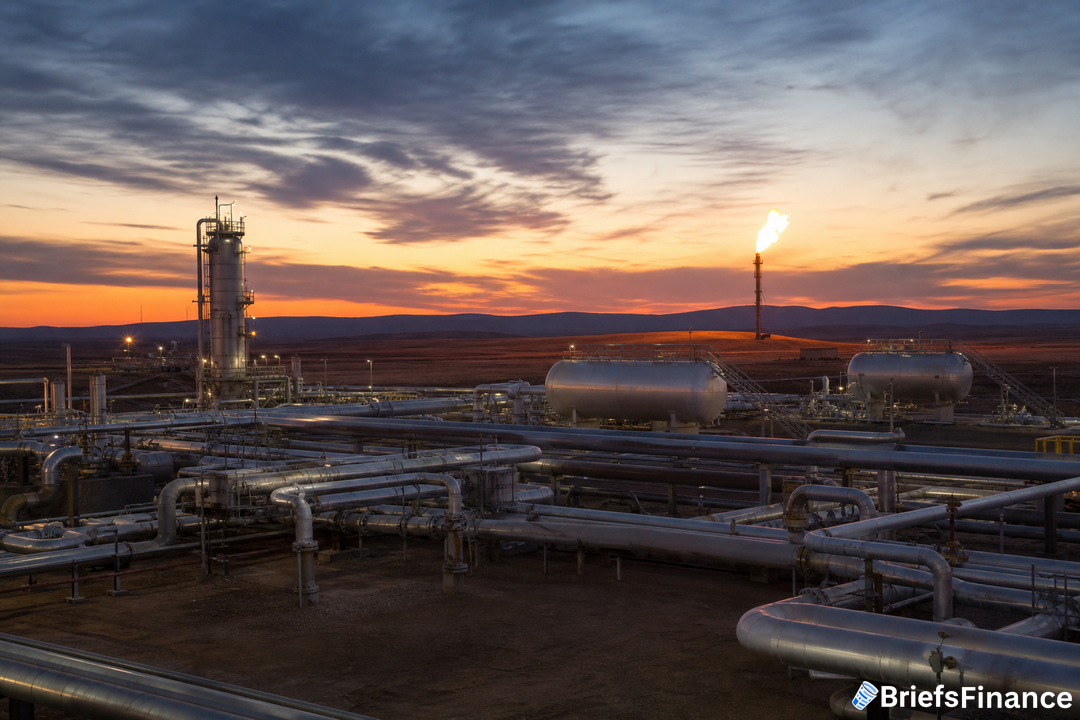
Eneva, based in Rio de Janeiro, sees Venezuela's underused natural gas as feedstock for a menu of sellable outputs. Ivan Betancourt, the company's director general for Venezuela, said Eneva aims to create a suite of "bankable products," encompassing outputs such as petroleum liquids, power, methanol and a range of industrial gases. The plan starts with mature oil fields where the associated gas can be captured and commercialized, while in parallel the company is pursuing partnerships for costlier greenfield developments in the Orinoco oil belt.
Technical and regulatory realities
There is a big difference between Eneva's bread and butter in Brazil and what it would face in Venezuela. At home, the company focuses on remote dry gas for power generation. In Venezuela, most gas is rich in liquids. Betancourt called that "a challenge but also a significant opportunity," adding, "The model here is going to be beneficial for everybody." He also urged the country "to harmonize the regulatory environment," pointing to separate hydrocarbons, gas, and electricity rules that shape how projects get done.
Partnerships, timing and early moves
Betancourt said Eneva is "talking directly" to state-owned Petroleos de Venezuela SA and expects to have an MoU concluded before the end of the year, describing PDVSA as "very receptive," during an interview at a packed oil-and-gas gathering in Caracas this week. The company is willing to operate on its own "where it makes sense and the size is right," but it is also weighing a "strategic partnership" in the Faja - a hydrocarbon deposit that ranks among the world's largest. That said, the Faja is no cakewalk.
"The Faja has a significant amount of reserves, but from a technical point of view it is one of the most complex places to produce," he said. Turning big talk into big output would take "a lot of investment, a lot of technical capability, a lot of technology," and a key hurdle is securing the right blendstock to move and process its extra-heavy crude. In the near term, Eneva is considering a lower-output mature field, where economics could be more attractive, citing areas around Lake Maracaibo in the west and North Monagas in the east that sit near existing infrastructure and logistics.
When long projects demand patience, steady investing pays off over time, so download the free Always Be Buying E-Book
The company has, in recent weeks, entered into a non-binding, non-exclusive arrangement with Halliburton Co. to pursue potential projects in Venezuela together.
The take for your portfolio
Betancourt's message boils down to two paths running at once. Near term, smaller mature fields near infrastructure could generate earlier returns. Longer term, the Orinoco belt is a massive, technically complex bet that will need money, partners, technology, and clearer rules.
If Venezuela can align regulations and Eneva lands a PDVSA agreement by year-end, the pieces start to click into place. For your wallet, the signal is timing: a mix of projects that could stagger cash flows, with risks tied to technical lift, logistics, and policy follow-through.
Big infrastructure plans remind us that disciplined saving matters, get your free Always Be Buying E-Book today