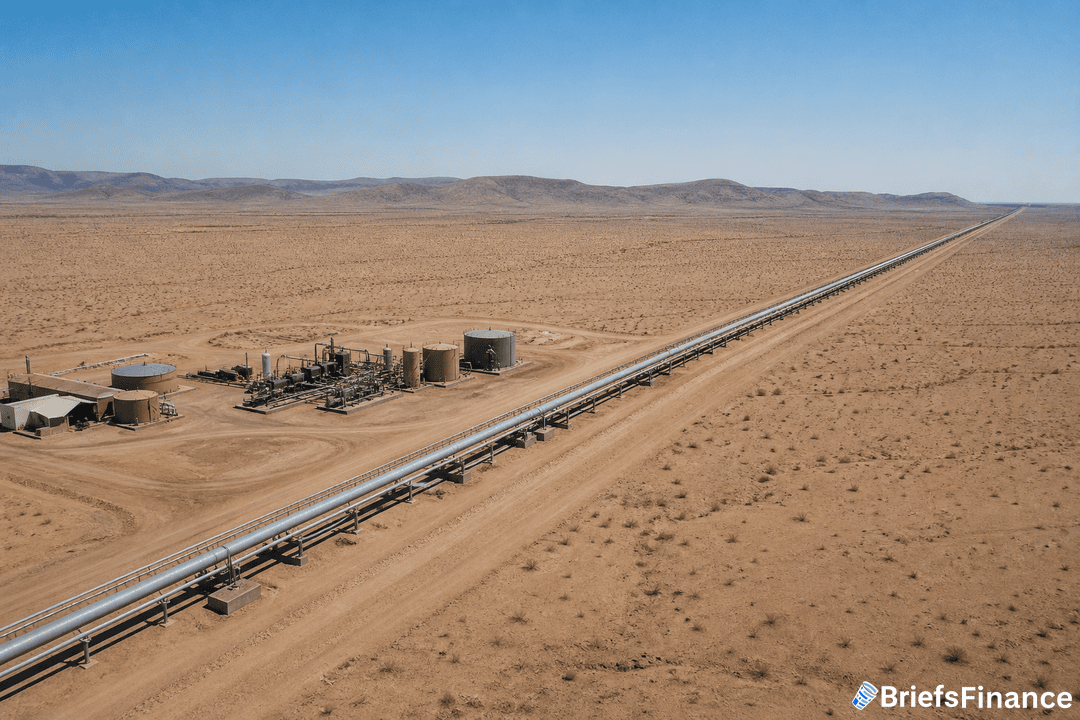
What changed on the pipeline
Saudi Aramco rapidly lifted shipments on the East-West line, which can carry 7 million barrels a day, after running at roughly half capacity earlier this week. A person with knowledge of the operations, who asked not to be named because the details are private, said flows have risen above 80%, with about 6 million barrels a day coursing through the system. Aramco and the Saudi energy ministry did not respond to requests for comment outside normal working hours.
How export routes shifted
By trimming feed to domestic plants on the west coast, export-ready volumes from that side have climbed to wartime highs, leaving roughly 4.5 million barrels a day available to ship. During the Iran war, the East-West link proved vital, letting Saudi Arabia route nearly 4 million barrels a day via the Red Sea earlier this year rather than depending on the riskier Strait of Hormuz. The route has faced growing strain in recent months, and the pipeline was taken offline after it was hit by projectiles launched from Iraq last month.
Why this matters for your portfolio
After the shutdown, Saudi Arabia sharply increased shipments through the Strait of Hormuz in recent weeks. Combined with loadings ramping back up from Yanbu on the Red Sea, where the East-West pipeline ends, JPMorgan Chase & Co. and Goldman Sachs Group Inc. estimate the kingdom's flows have helped push Middle East exports back toward pre-war levels. Ship tracking data compiled by Bloomberg show that in September, volumes rose toward their 2025 average as Hormuz transits jumped. The September numbers cover the first 23 days of the month.
Even when oil signals shift, steady contributions matter for long-term growth, so download the free Always Be Buying E-Book
If you keep an eye on fuel costs and inflation, this is one of those supply stories that can ripple into everything from airfare to delivery fees.
Changes in headlines remind us that time and consistency pay off, claim your free Always Be Buying E-Book today