What the Urban Institute found
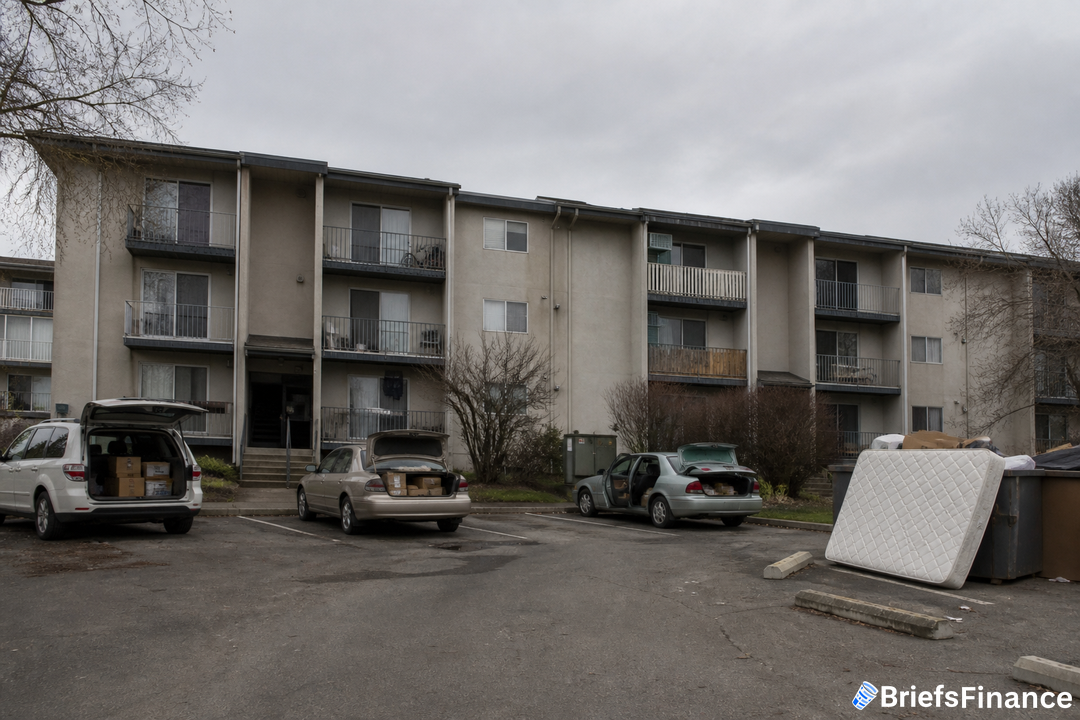
A fresh look at renters' finances shows how tight things have gotten: one in five working-age renters had difficulty paying rent last year. Specifically, they missed part of a payment or paid late at some point in 2025. Samantha Batko, a senior fellow with the Urban Institute and a co-author of the analysis, discussed the findings with "Marketplace Morning Report" host Kimberly Adams.
Batko put a fine point on the trend: "What we're finding is that the number of renters who had problems paying rent increased between 2024 and 2025." She added that while lower-income renters still report the most strain, "the share of renters that are middle-income reporting these challenges grew by the largest margin in that year." Her read on the bigger picture: "living in America is becoming less affordable."
Who is feeling the strain and why
Lower-income renters remain the most likely to fall behind. But the notable shift is in the middle of the income distribution, where more households reported trouble from 2024 to 2025.
Batko walked through the monthly math many families juggle: housing costs alongside groceries, fuel for commuting, healthcare, and surprise bills like a medical emergency or car repair. When prices rise broadly, those tradeoffs get tougher, and some households make a late or partial rent payment so they can still cover essentials like food or medicine.
When household budgets feel tight, steady investing habits matter; get the free Always Be Buying E-Book to start building wealth
There is also a ripple effect. When middle-income renters feel squeezed, they search out less expensive places to live, even if that means a less desirable neighborhood or a longer trip to work. That shift can edge out lower-income renters who have fewer options and less flexibility to move.
Regional patterns
The analysis highlights regional differences. According to Batko, rent-payment pressures in the West and the Northeast have been inching up for years. But the sharpest increase from 2024 to 2025 showed up in the South.
Housing availability was not measured in this survey, Batko noted. Still, she pointed to other research showing there is no state where a worker earning the minimum wage can afford a two bedroom apartment, a backdrop that makes these rent challenges unsurprising.
Even amid everyday financial pressures, a simple plan can add up over time, claim your complimentary Always Be Buying E-Book now