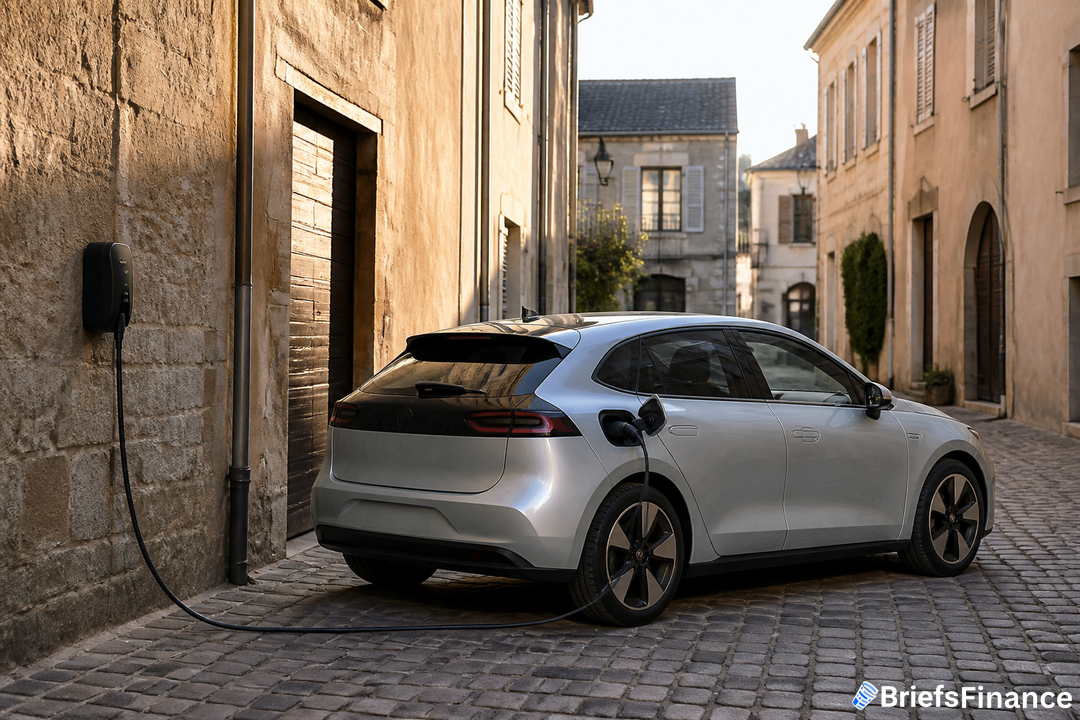
What Audi announced
Audi is bringing back the A2 nameplate as a battery-powered compact aimed squarely at European drivers. Priced from €38,200 ($44,700) in Germany, the A2 e-tron is quoted at up to 646 kilometers (401 miles) of range. The original, an aluminum-bodied oddball with mini-minivan proportions, ended production in 2005. This reboot leans into today's crossover flavor while keeping the city-friendly footprint.
Why this car now
Brand chief Gernot Döllner is re-centering the business on Europe and moving away from one-size-fits-all models. "The A2 e-tron was developed with a clear focus on Europe, on the way people live, drive, and use their cars here," Döllner said. "It shows how we think about premium for Europe, using resources more intelligently."
Audi's pivot follows market-share losses in China, while in the US it faces constraints because it lacks local production. Parent Volkswagen is pushing a broader overhaul to slim model lines, cut complexity and reduce costs. In the first half, VW's Progressive brand group that includes Audi posted an operating margin of 3.8%, well below the 14% target set for 2030. With sales down in China and the US, Europe is the region where deliveries are growing, so Audi is leaning into where the momentum is.
Rates, prices and policy all end up in your budget eventually. Get the free Market Briefs daily newsletter and see it coming.
How Audi will build it
Production will take place in Ingolstadt using a shared EV toolkit that also underpins the VW ID.3 and ID.4, Audi Q4 e-tron, Škoda Enyaq and Cupra Born. Audi says that reusing existing parts and already-programmed factory robots will cut time to launch by 21 months versus comparable predecessors, reducing the need for new investment.
The bigger picture for jobs and the market
Audi's revamp is unfolding alongside rapid leadership changes and a business model under strain. Unlike BMW and Mercedes-Benz, the company lacks US manufacturing, leaving it more exposed to tariffs. At home, labor tensions have flared after VW Chief Executive Officer Oliver Blume's team named Audi's Neckarsulm site among German plants with uncertain long-term prospects.
There is also a style play here. The A2 joins a wave of retro-leaning city EVs such as Renault's electric R5 and Fiat's Grande Panda, the kind of heritage moves that Chinese newcomers like BYD cannot easily copy. For your wallet, the takeaway is simple: Audi is chasing growth where it actually has it. A locally tuned, quicker-to-market EV is a bet on Europe's demand and on turning a thin 3.8% margin into something closer to the group's 2030 ambitions.