Deal Details
As announced Monday, TotalEnergies intends to sell 9.1% of the project to its partners, cutting its interest to 20%. Once completed, ExxonMobil's share would rise to 34.1%, Santos Ltd. would be at 21%, and ENEOS Holdings Inc would hold 2.4%. Papua New Guinea's state-backed Kumul Petroleum Holdings Limited and Mineral Resources Development Company Ltd together would own 22.5%.
Project Plan and Timeline
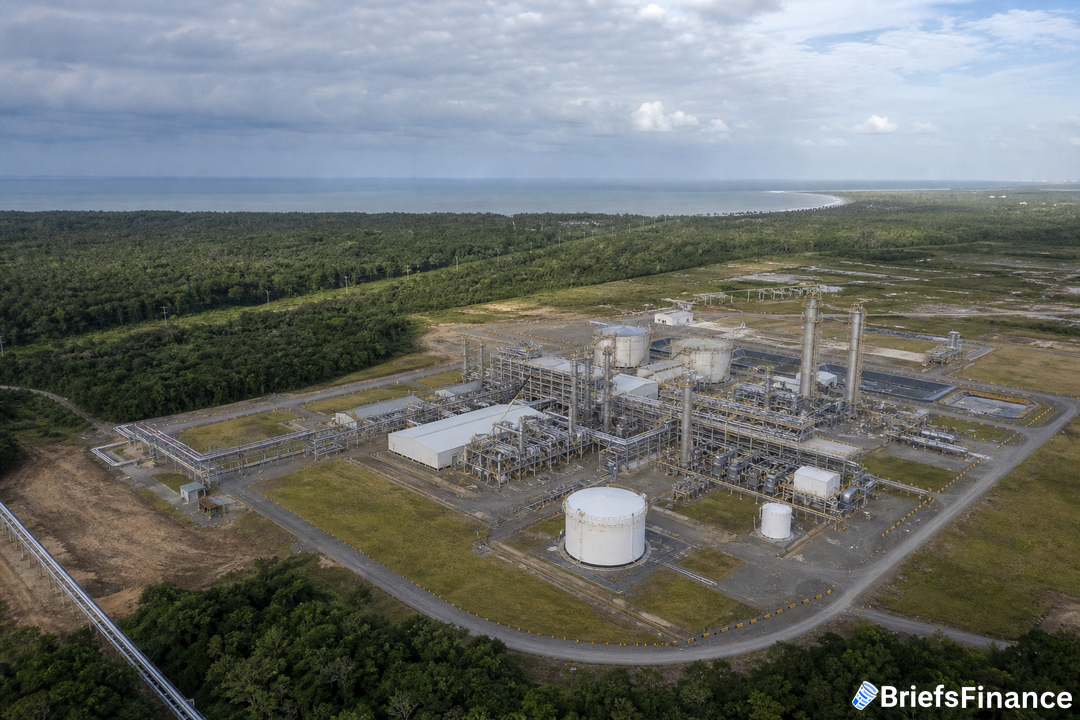
Papua LNG is planned to deliver 5.6 million tons of LNG a year, largely serving Asian buyers. The development scope includes onshore processing and a pipeline linking the Elk and Antelope fields to a liquefaction complex near Port Moresby. The project has faced years of delays, including disputes with the PNG government, and the conflict in the Middle East has sharpened interest in supply options closer to Asian demand centers. Bloomberg quoted an Exxon Mobil representative saying the venture aims to secure the project's final go-ahead before 2026 draws to a close, contingent on stakeholder alignment and market conditions.
Strategic Rationale and Marketing Setup
ExxonMobil would take over operatorship to tap construction and operating synergies by building next to the company's PNG LNG plant, which helps improve economics. The package also sets up a joint venture for marketing that pairs TotalEnergies with PNG state-related entities, and includes an offtake heads of agreement granting TotalEnergies 1.5 million tons per year for its global portfolio.
Rates, prices and policy all end up in your budget eventually. Get the free Market Briefs daily newsletter and see it coming.
What It Means For Your Portfolio
TotalEnergies Chief Executive Officer Patrick Pouyanné said on Monday, "These agreements mark decisive step towards the final investment decision of Papua LNG." He added, "The transfer of operatorship enhances the project's value creation and competitiveness by leveraging the synergies with PNG LNG during construction and operations phases." If this lineup holds, it points to more LNG capacity positioned near Asia, plus clearer roles among the partners - ingredients that could reduce execution risk on a long-delayed project.