The flight and the vehicle
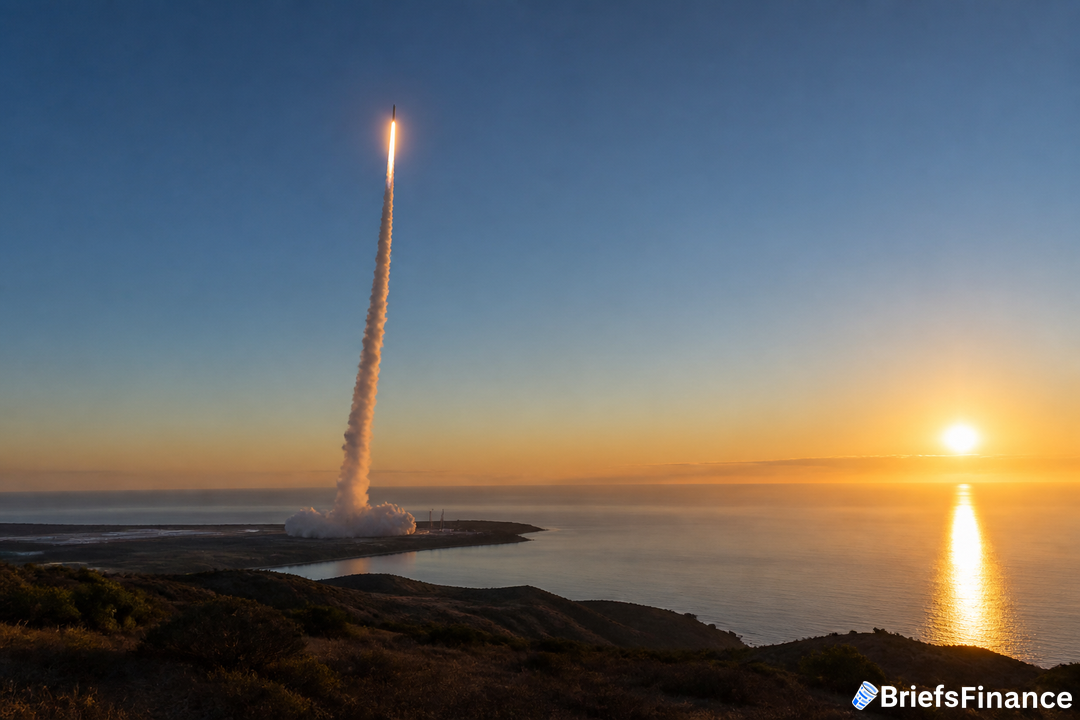
With its eye on a first for continental Europe's commercial space scene, Germany's Isar Aerospace sent Spectrum skyward from Andøya, Norway, on Saturday and was coasting in orbit about four minutes later. The rocket's manifest includes five small satellites, and it got there after a string of delays this year tied to weather, technical work and even an uninvited boat drifting into the range.
Spectrum is compact by industry standards at 28 meters tall, built to lift up to 1,000 kilograms to low Earth orbit. That puts it in a different class than SpaceX's larger rockets. SpaceX is the sector's heavyweight and carried out the largest initial public offering on record in June. Isar's smaller launcher is designed to place satellites into more tailored orbits, a differentiator CEO Daniel Metzler flagged when the company closed a €270 million funding round this year.
Company strategy and customers
Isar's first Spectrum attempt last year was short lived, ending in a crash roughly half a minute after liftoff. Since then, the customer mix has tilted. After focusing on civilian missions, the company says defense buyers have become a bigger slice over the past year and now represent about 60% of orders. The shift comes as the war in Ukraine and Europe's push for strategic sovereignty amid cooler US ties spur investment in homegrown space capacity.
Funding, contracts and production plans
The company secured €270 million ($313 million) in new financing this year and, in August, inked an agreement worth about €200 million with the European Space Agency to support the development of launch vehicles. Near Munich, Isar is building a factory targeting output of up to 40 rockets per year. Launch capacity is already reserved until 2028, with flights slated for ESA and the Norwegian Space Agency.
Rates, prices and policy all end up in your budget eventually. Get the free Market Briefs daily newsletter and see it coming.
What it means for your portfolio
Europe is putting more money behind its own launch ecosystem, and you can see it in Isar's defense tilt, ESA funding and factory buildout. If you track space hardware, suppliers and launch services, watch the growing role of government and defense orders and the plan to scale production, with capacity already spoken for through 2028.