Prices and the big picture
If you feel like used cars never got cheap again, you are not imagining it. Cox Automotive pegs July's average asking price for a used vehicle at $27,028. Broadly, used-car prices were about 29% higher this July compared with July 2019, a climb that the consumer price index indicates is similar to overall U.S. inflation across that span.
"Today's used-car prices are among the most powerful examples of the affordability challenge facing consumers," said Karl Brauer, executive analyst at iSeeCars. He also flagged the tradeoff that comes with older vehicles: "In general, buying an older used car means a lower up-front cost, but higher post-purchase maintenance and repair costs."
How old and how far have they been driven?
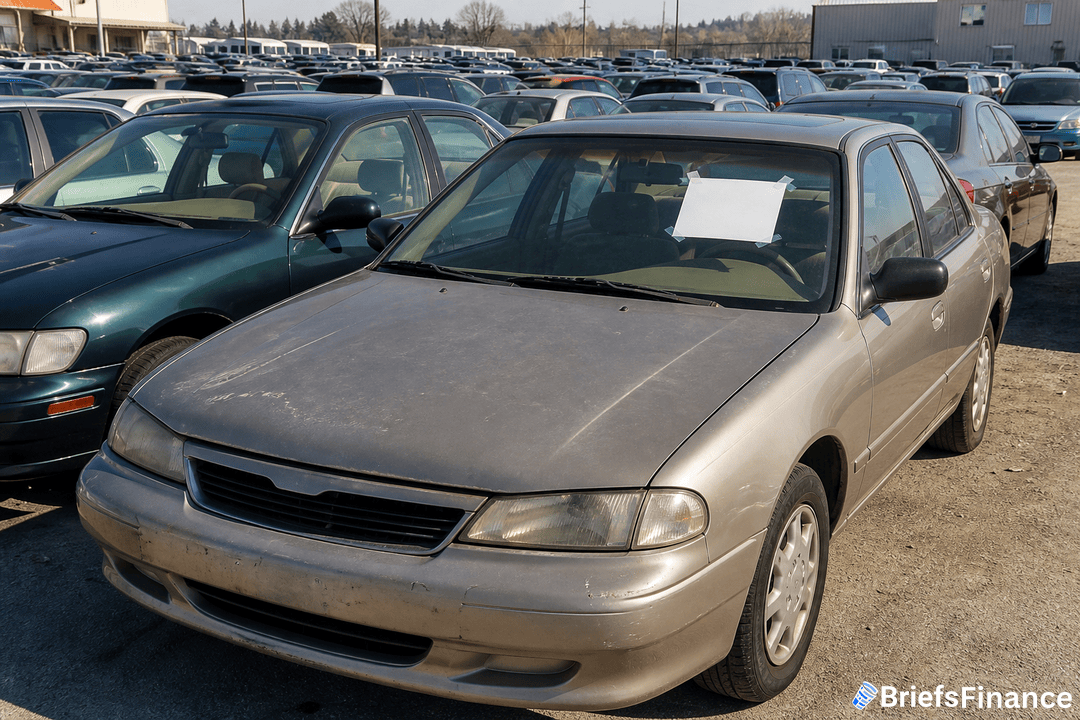
Edmunds finds the typical used car listed between $15,000 and $20,000 was 6 years old in Q2 2026, with 71,192 miles. Back in Q2 2019, similar listings averaged 3.4 years old and 41,851 miles. For vehicles priced $10,000 to $15,000, the average age this year was 8.7 years versus 4.7 years in 2019, and average mileage rose to 98,222 from 58,250.
"Even if the car in general is reliable, stuff just wears out," said Yoon.
Everyday costs and the decisions behind them are worth understanding properly. Join Market Briefs free and get the full picture each morning.
Loan costs and terms
Financing adds another layer. Experts note used-car borrowing rates typically run higher than for new models. Experian reports that during Q2 2026, used-car loans averaged about 11.2% interest with terms around 5.6 years. New-car loans in the same period averaged 6.4% with terms around 5.7 years.
Loan sizes differ too. In Q2, new-car buyers financed an average of $43,610 with a $765 monthly payment, while used-car buyers financed $27,852 with average payments of $542. About one out of three used-car loans came in under $400 per month. Rates also hinge on credit: borrowers with scores under 500 face average used-loan rates above 21%, according to Experian.
Shoppers also need to match loan length to vehicle life. As Yoon put it, "If you buy a 7-year-old used car and take out a six- or seven-year car loan, and then three or four years into the loan you have something catastrophic happen and you need to replace the car, you're going to owe a bunch of money on that loan or have to roll it into [the loan] for your next car."
What this means for your wallet
Used cars are still pricey compared with 2019, and the ones in reach often have more years and miles, which can mean more trips to the shop. Financing tends to cost more for used than new, and loans can outlast the car if something breaks. The upshot: the total cost hinges on more than the sticker. How long the car is likely to run, the interest rate you qualify for, and the risk of repairs are the big swing factors for your monthly budget.