Why the Rules Are Changing
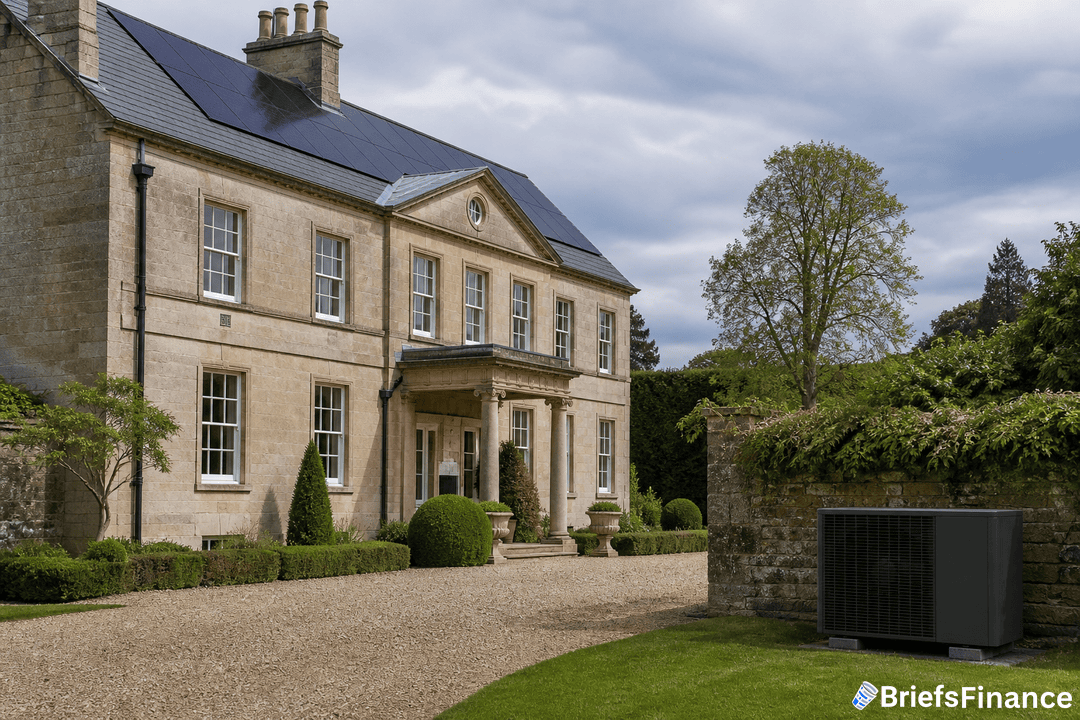
Owners of listed luxury homes in Britain may soon find it easier to install features to cope with rising temperatures. The UK housing ministry has proposed relaxing rules that have hindered installations like awnings and shutters in historic neighborhoods.
The push came from Grosvenor Group Holdings Ltd., the property company owned by Hugh Grosvenor, the 7th Duke of Westminster. The firm argued current regulations could diminish the desirability of its London holdings as tenants faced lengthy delays for basic weatherization approvals.
Tor Burrows, Grosvenor's chief sustainability officer, welcomed the government's plan, stating: "This is a fantastic development given how climate shifts are impacting residences nationwide."
Streamlined Approval System
The reforms would allow English local authorities to accelerate permission processes for heritage property owners wanting to add temperature regulation and efficiency improvements. Officials noted many current municipal requirements create unnecessary hurdles for such upgrades.
While councils would still review proposed alterations, the revised National Planning Policy Framework would mandate stronger emphasis on sustainability factors during evaluations. This could reduce bureaucratic obstacles for projects that maintain architectural significance.
Rates, prices and policy all end up in your budget eventually. Get the free Market Briefs daily newsletter and see it coming.
Grosvenor, currently seeking permissions for its Eaton Square portfolio, indicated the updated standards might enable broader preservation-minded retrofits of aging structures. The company manages over 1,500 acres in central London, including some of the city's most prestigious addresses where original architectural details remain protected by strict conservation laws.
Implementation Timeline
A public consultation on the adjustments will remain open until October. Pending approval, the modified regulations could become active by mid-2026.
Market Implications
The proposal reflects increasing acknowledgment that even protected elite residences require practical modernization. With utility costs projected to climb later this year, Burrows emphasized the growing importance of efficiency improvements.
The adjustments stand to particularly assist proprietors of venerable London estates in Grosvenor's focus areas. The firm previously cautioned that without reasonable modernization options, excessive heat could reduce the attractiveness of these premium assets.
Many heritage properties currently lack adequate thermal protections due to preservation rules, leaving them vulnerable to climate shifts. The reforms aim to address this while maintaining strict aesthetic oversight through shortened but still thorough review processes for visible exterior modifications.
Industry analysts note the changes could set a precedent for other European cities grappling with similar tensions between conservation priorities and climate adaptation needs in historic districts.