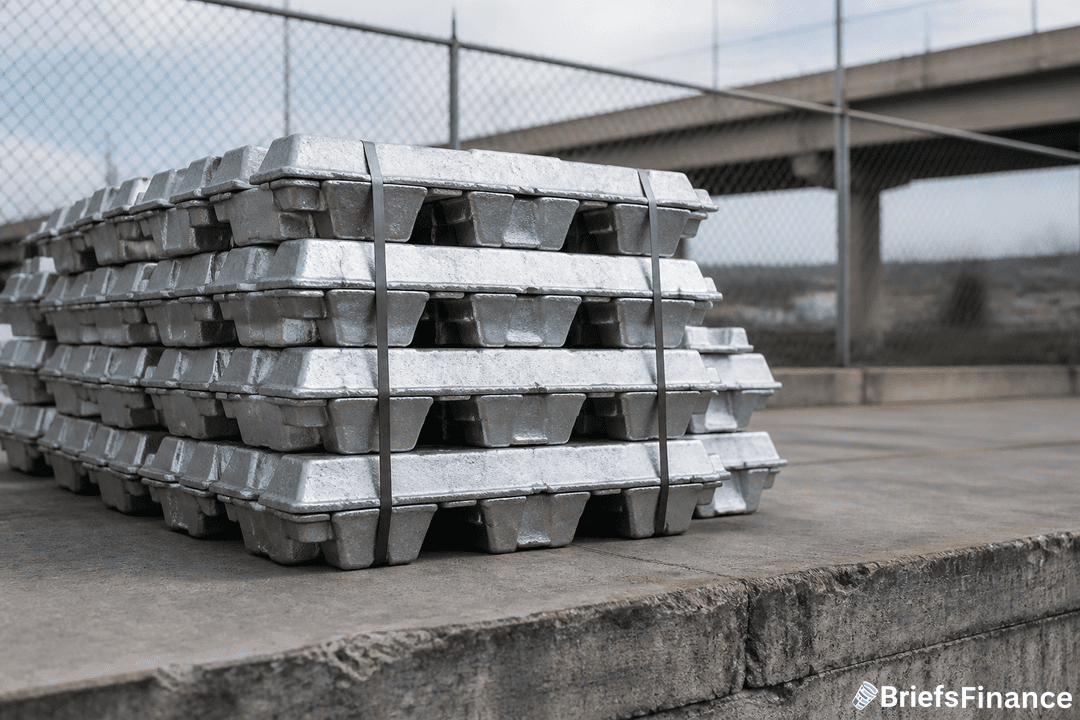
Here's the thing about aluminum: the US and Canada don't just trade it. They build things together with it. Cars, buildings, planes - the metal crosses the border multiple times before it becomes a finished product. That's why the current tariff situation has industry leaders scratching their heads.
Washington imposed a 50% duty on aluminum coming from Canada, and Ottawa responded with an identical tariff on American metal. Negotiations that might have reduced the US tariff broke down at the final hour, leaving both nations trapped in an expensive standoff.
Both nations' aluminum producers are urging their governments to abandon this tit-for-tat approach and instead build a unified defense against overseas competition. Industry associations cautioned that this standoff could harm capital spending and upset one of the continent's most interconnected production networks. America imports about 60% of the primary aluminum it consumes, and Canada remains its dominant foreign source.
"America cannot do it alone," said Jean Simard, who leads the Aluminium Association of Canada. Even if new smelting facilities come online and dormant plants are reactivated, the US will still depend on imported aluminum.
These tariffs affect far more than just the aluminum industry. US automakers, aerospace manufacturers, and construction firms all rely on Canadian aluminum as a key input. When tariffs raise the cost of this essential material, those costs ripple through the entire economy, affecting everything from consumer vehicle prices to infrastructure projects.
Canadian producers, meanwhile, face reduced access to their largest export market, forcing them to search for alternative buyers who may offer less favorable pricing. The aluminum industry directly employs tens of thousands of workers on both sides of the border, and the ripple effects of these tariffs threaten jobs in downstream industries that depend on affordable metal.
Markets move every day, and most of it never reaches you in time. Get the free Market Briefs daily newsletter and stay ahead of it.
Jean Simard, head of the Aluminium Association of Canada, advocated for what he calls a "Fortress North America" strategy. He envisions unrestricted aluminum trade within the region while maintaining protective measures against imports from non-market economies and strengthening enforcement against transshipment. "Work together to grow the pie," he said.
The logic behind this approach is straightforward. The genuine competitive threat doesn't come from across the border but from across the Pacific. Chinese aluminum can enter the market through intermediate nations such as Indonesia, which is why Canada is currently reviewing its trade agreements for potential transshipment vulnerabilities.
The stakes couldn't be higher. Aluminum is vital to manufacturing, transportation, and defense. With the US relying on Canada for more than half of its primary metal supply, any disruption in cross-border trade affects everything from beverage cans to aircraft frames.
The whipsawing trade policies create an impossible environment for capital planning, according to industry analysts. Manufacturers need predictable input costs to commit to major investments, and a 50% tariff swings the price of aluminum dramatically from month to month.
Time is running out. If the two countries can resolve their differences, they could present a united front against the global oversupply of aluminum that threatens both industries. But if the tariff war continues, both nations risk surrendering market share to the very competitors they're trying to keep out.
The aluminum industry is deeply intertwined with national security interests, given its use in military aircraft, naval vessels, and other defense applications. Analysts note that a stable, tariff-free relationship between the two countries would strengthen the continent's position in global markets and ensure reliable access to this critical material for decades to come. The path forward requires political will on both sides to recognize that economic partnership is far more valuable than punitive trade measures.