A Dangerous Week in the Strait
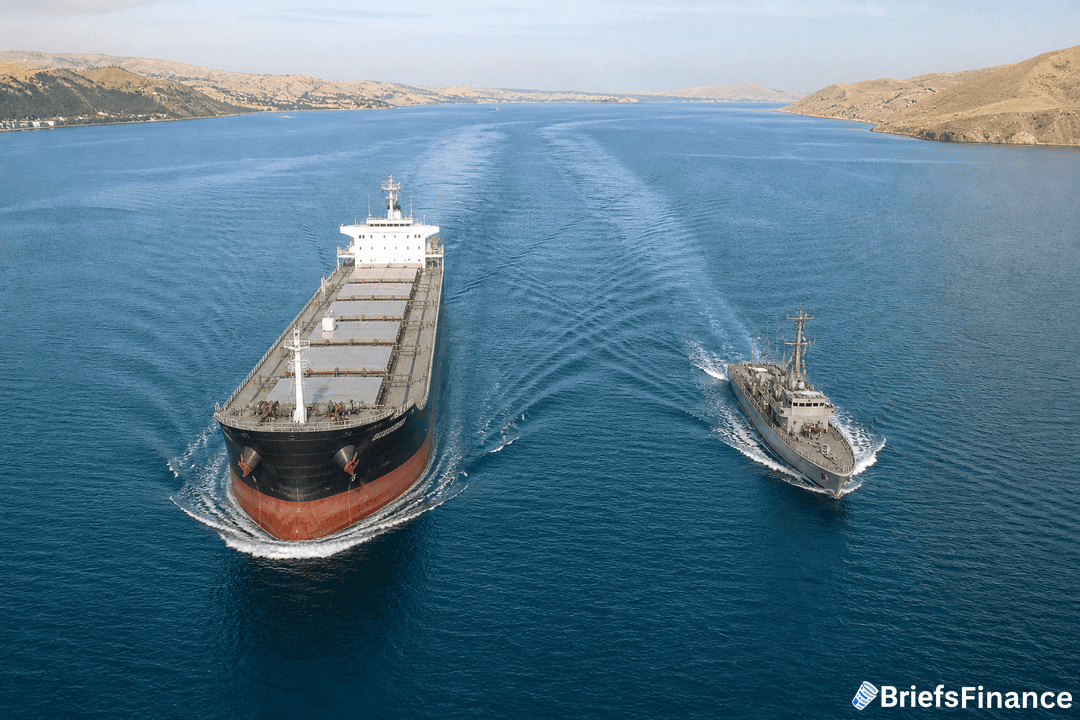
The Strait of Hormuz is a narrow waterway between Oman and Iran, and one of the world's main routes for oil shipments. Right now, it is also a dangerous place for the ships using it.
On Monday, an oil tanker was hit by an unknown projectile near Oman and left disabled, according to UK Maritime Trade Operations. Last week, two cargo ships were attacked in the strait, and two sailors were killed.
That violence is the backdrop for a fresh round of diplomacy. Iran and Oman are negotiating a temporary joint shipping corridor through Hormuz, with plans for a permanent arrangement afterward.
Oman's foreign minister called the talks with Iran's top diplomat constructive. He said he hoped a corridor would be created and that "practical arrangements to restore safe navigation" would be agreed.
A Mine-Clearance Plan That Contradicts Trump
The proposed framework includes a joint project to clear mines from the strait. That appears to contradict President Trump's statement on Tuesday that all mines had already been removed from international waters.
Understanding what moved a market beats knowing that it moved. Get the free Market Briefs daily newsletter and follow the drivers.
The talks trace back to a June 17 memorandum of understanding between the United States and Iran, essentially a written outline of an interim deal. It fell apart later when the two sides disagreed over shipping lanes, and that same disagreement is at the heart of the current discussions.
The U.S. military currently escorts vessels along a southern route near Oman's coast. Since May, the amount of crude oil moved under those escorts has exceeded 660 million barrels.
Iran insists that vessels use a northern lane inside its own territorial waters, and it has threatened to attack ships that do not. That leaves shippers facing two competing paths, each with its own risk.
The diplomacy is not happening without pressure. Earlier this month, Trump threatened to bomb Oman, and Treasury Secretary Bessent said the U.S. would sanction any entity doing business with Iran.
Oman's foreign minister sees the corridor as just the start. "Future management of the Strait and a permanent solution will follow," he said.
What a Corridor Would Change
A joint shipping corridor would give tankers a route that both Iran and Oman agree on. That matters because right now the two countries are pushing ships in opposite directions, with the U.S.-escorted route running south and Iran demanding a northern route.
If the two countries pull it off together, it would be a practical sign that they can manage some threats side by side.
Right now, though, it is just a proposal, and Trump's Tuesday statement about mines already being gone makes the situation harder to read.
A corridor might settle that dispute for a while, but a permanent solution still has to be worked out.
What It Means for Your Money
The Strait of Hormuz is a valve for global energy, and disruptions there have a way of showing up in prices. When the route feels risky, the cost of moving crude can climb, and that can feed into gas prices and the broader inflation picture.
A functioning corridor could ease some of that pressure by making the route more predictable. For investors, the best thing to watch is whether these talks turn into a real deal, because Hormuz rarely makes news without leaving a mark on markets.
A few minutes a day is enough to stay genuinely informed about your money. Join Market Briefs free and start tomorrow.