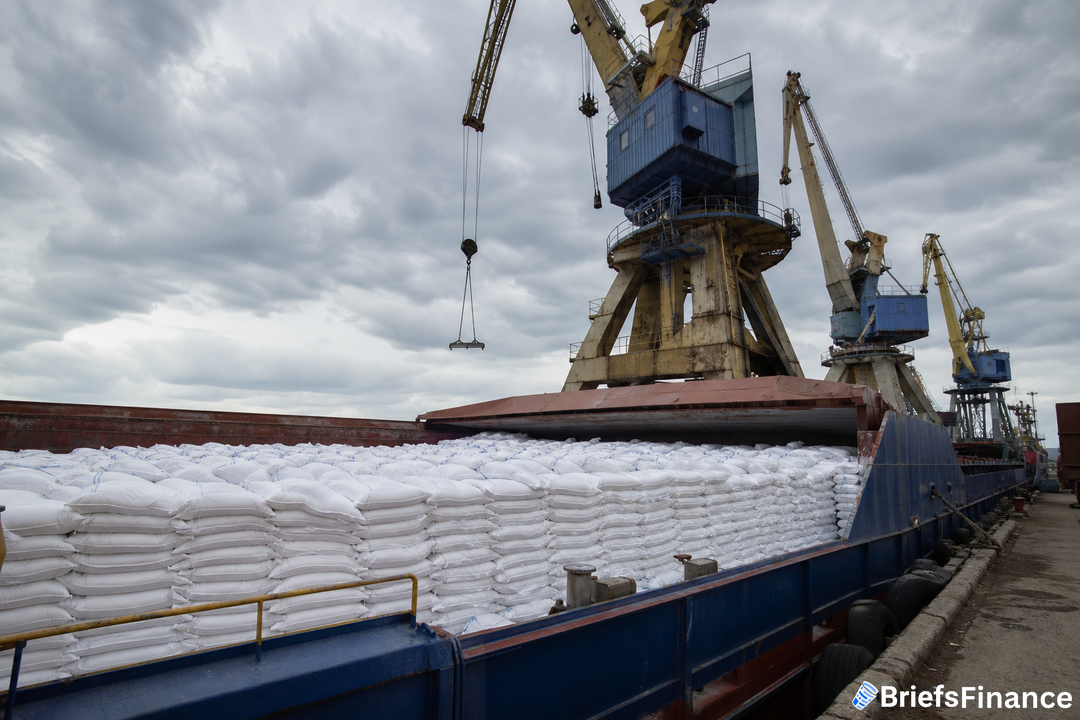
India's Rare Import Move Shakes the Market
For nearly ten years, India had not bought sugar from abroad to meet its own needs. That changed this week.
India, the world's second-largest sugar producer, had gone about ten years without buying foreign sugar for its own market. The decision to open the door to imports underscores how much this season's smaller harvest has squeezed supplies. It also explains why domestic prices had reached record highs ahead of the festival season.
Earlier this year, the country permitted sugar exports despite a smaller-than-expected harvest. That left inventories low and domestic prices at record highs. With the festival season approaching, the government now needs to rebuild stocks quickly.
India's shift is a reminder that crop shortfalls in major producers can quickly reshape global trade flows. Because the country normally exports sugar, its need to buy abroad signals how much local supply has tightened. The festival season, a period of heavy sweets consumption, makes rebuilding stocks urgent.
The most-active raw sugar contract initially slipped 2.1% to 17.16 cents before recovering to trade up 1.2%. Earlier in the week, it had touched 18 cents. The surge marks a sharp reversal from recent lows - just a while ago, prices hovered near 13 cents a pound, a level analysts now consider excessive.
Rates, prices and policy all end up in your budget eventually. Get the free Market Briefs daily newsletter and see it coming.
Carlos Murilo de Mello, who oversees sugar trading for the Americas at Hedgepoint Global, said: "Just as 13 cents a pound was an exaggeration in the low area, perhaps 17 or 18 cents a pound is an exaggeration in the high area."
Demand Concerns Temper the Rally
Not everyone is convinced the jump will stick. The import news may have already been priced in.
StoneX noted that early Friday trading showed difficulty holding gains, suggesting the market had absorbed the announcement. Behind the rally, real questions remain about whether demand can keep up.
Mello pointed to Brazil's Center-South region, where mills are producing more sugar but shipping less. He said sugar currently offers better returns than ethanol, so mills are diverting more cane to sugar. But buyers are hesitating.
"Demand is weak," Mello said. "Mills are producing more sugar but are shipping less. Gulf refineries cannot buy because of problems in the Strait of Hormuz."
The Iran war and shipping concerns are putting a ceiling on prices, even as India's import news gives a temporary boost.
What This Means for Investors
The market is still digesting how India's move will play out. Some traders see the import authorization as a signal that domestic supply is tighter than expected, while others worry that logistical disruptions could limit actual shipments.
The recent price action - rising above 18 cents on Thursday, then dipping to 17.16 cents, then rallying - shows uncertainty. The contract's jump from 13 cents to over 17 cents in a short period has made some buyers cautious. Yet the fact that India, normally a net exporter, is importing at all underscores how severe the local shortage has become.
For now, the sugar market remains volatile, and the direction depends on whether Indian demand materializes before the festival season ends. If Gulf refiners resume buying and shipping lanes clear, prices could hold. If not, the rally may fade as quickly as it started.
The best financial decisions come from understanding the whole picture. Join Market Briefs free and get the full brief each morning.