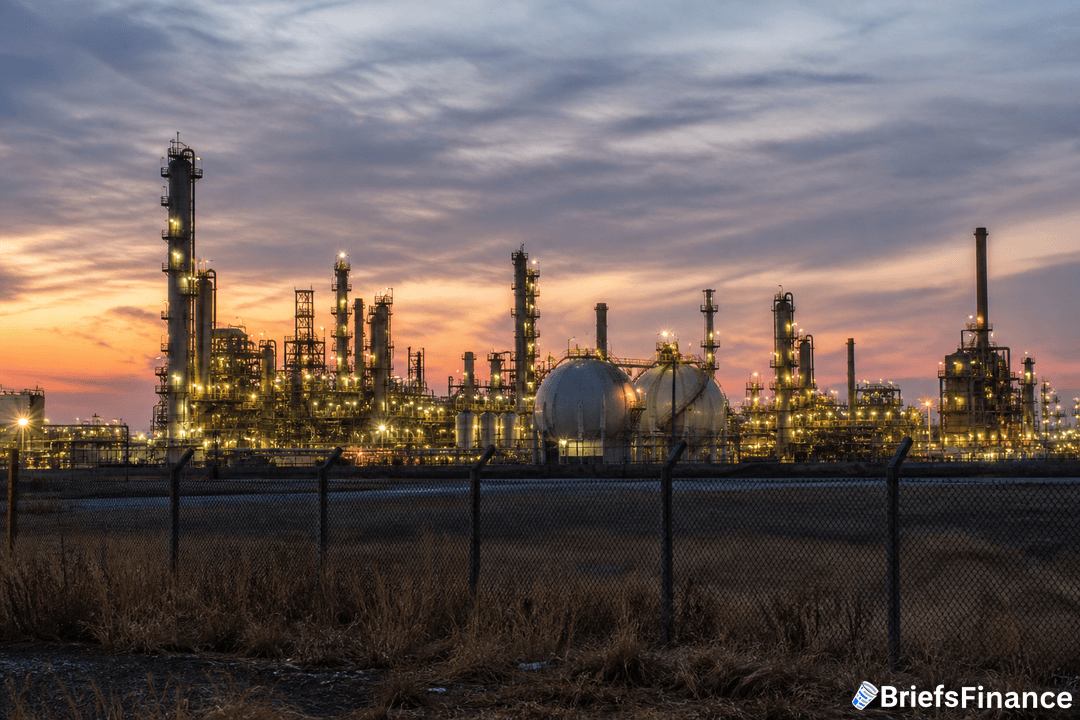
Ukraine is pushing its attacks deeper into Russian territory, and the latest target is one of the country's biggest oil refineries.
President Volodymyr Zelenskyy said Friday that Ukrainian forces hit Lukoil's Perm refinery overnight using long-range weapons. He announced the strike on Telegram without offering more details, but the location tells the story.
Moscow lies about 1,500 km (930 miles) to the west of the Perm plant, far beyond the areas where most fighting has occurred.
A Second Strike on a Major Plant
This is not the first time the Perm refinery has been in the crosshairs. Ukraine hit the same facility in late July, and Friday's attack marks the second attempt.
The refinery processes 260,000 barrels of crude oil per day, making it one of the larger facilities in Russia's energy network. When a plant that size goes offline, even briefly, the effects ripple through the entire fuel supply chain.
Markets move every day, and most of it never reaches you in time. Get the free Market Briefs daily newsletter and stay ahead of it.
Lukoil, Russia's largest independent oil producer, has not replied to inquiries. Earlier Friday, Perm Governor Dmitry Makhonin reported drone damage to an industrial facility but did not specify which one.
The attack fits a clear pattern. Ukraine has recently escalated strikes on Russian energy assets, hitting refineries and Black Sea port facilities. The goal appears to be squeezing Russia's most important source of revenue while also disrupting fuel supplies for its military and civilians.
Russia has long used its energy exports as a geopolitical lever, and the Perm refinery is part of that system. A plant of this size feeds fuel into both the domestic market and the export pipeline, so damage can quickly turn into shortages or lost revenue.
The Damage Is Showing Up in the Data
The campaign is already having an effect. At home, the consequences are becoming visible. That is a significant shift for a country that sits on some of the largest oil reserves in the world and normally exports fuel to other nations.
Russia has not responded by pulling back. Moscow has continued its own strikes on Ukrainian cities and Black Sea ports, and Ukraine is running short of Patriot air defense interceptors to stop them. Zelenskyy has asked Western partners to send more air defense systems, making clear that the refinery attacks are part of a broader strategy but also that Ukraine's defenses are stretched.
What This Means for Your Money
Energy markets are sensitive to supply disruptions, and Russia remains one of the world's largest oil producers. If refinery outages keep cutting into exports, global oil prices could feel the pressure. That would show up in your portfolio if you own energy stocks or funds, and it would also show up at the gas pump.
The bigger picture is that this conflict keeps finding new ways to touch global markets. Ukraine has figured out that hitting Russia's energy infrastructure hurts where it counts, and Russia is doing the same to Ukraine's ports. Both sides are betting that economic pain will translate into military advantage.
For now, the strikes continue, the refineries keep getting hit, and the fuel shortages keep spreading. The next few months will tell whether this becomes a lasting problem for Russia's energy industry or just another chapter in a long war. Either way, it is worth keeping an eye on those export numbers.
The money story behind the headlines is usually the part that matters. Join Market Briefs free and get it every morning.