Two Companies, One Tower Economy
Indonesia's mobile tower industry is a two-player game, and those two players are preparing to talk again.
Mitratel, the tower arm of telecom firm Telkom, has requested financial advisers to put forward proposals for a merger with competitor Tower Bersama. The request is a meaningful step in a deal that has been rumored for a long time, though it is still far from completed. Mitratel confirmed that early evaluations are in progress but declined to provide further details. Tower Bersama did not respond to requests for comment.
The two companies are the biggest operators in Indonesia, and their size brings power.
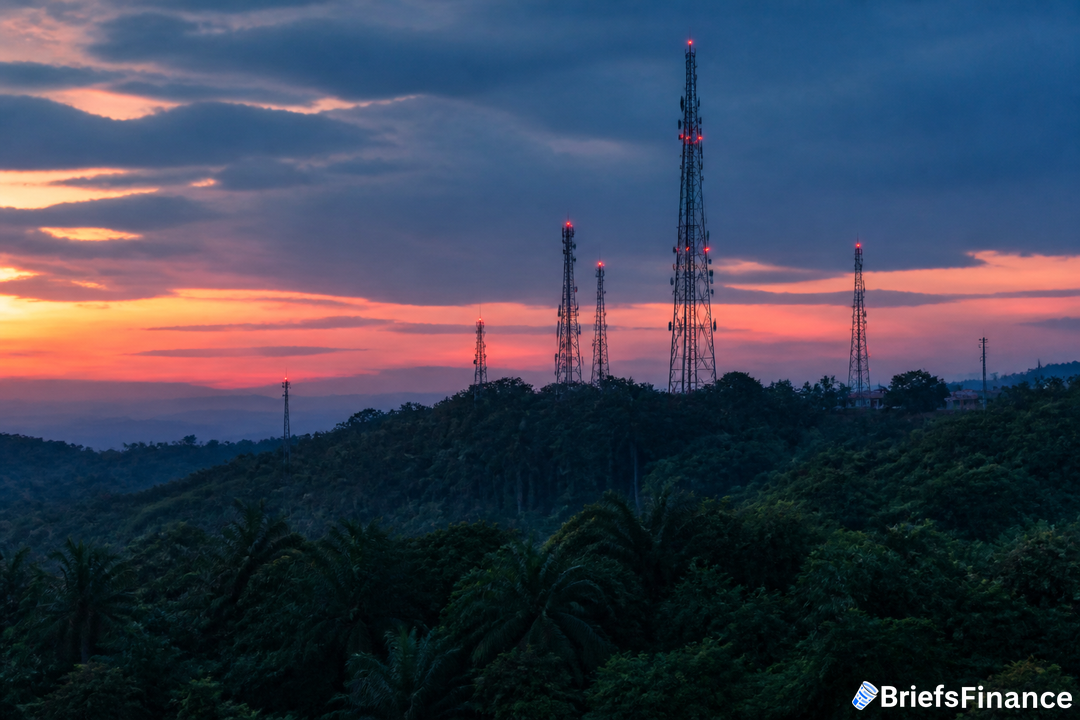
Tower companies own the tall structures that carry wireless antennae. Mobile carriers pay rent for every antenna they place on a tower, which means the number of towers a company controls determines its bargaining power with phone companies. More towers mean more steady income.
Indonesia's tower market has expanded quickly as mobile data use has surged across the archipelago of thousands of islands. Carriers have outsourced their infrastructure to independent operators, creating a leasing model that rewards scale. That is why consolidation keeps recurring in this industry.
A Merger That Could Transform the Market
Taking the two companies together would create an outright giant in the country's infrastructure market. Combined, they would control more than half of Indonesia's towers.
Understanding what moved a market beats knowing that it moved. Get the free Market Briefs daily newsletter and follow the drivers.
According to its annual report, Mitratel operates more than 40,230 towers. Tower Bersama has more than 24,000 telecom sites. That scale would help it secure financing and spread operating costs across a wider network.
That idea is not new. A merger between the same two companies was attempted in 2015, but the discussions fell apart before a contract was signed.
This time, both sides have struggled on the stock market. Mitratel's shares have dropped 37%, while Tower Bersama is down 46%, both exceeding the decline in the Jakarta Composite Index, which has also fallen.
Merging could reduce costs and give the combined company a lower cost of debt.
The Market Is Waiting and Not Getting Carried Away
Stock investors have not yet reacted with the excitement that usually accompanies a big deal. That is typical after a failed attempt. Still, if the two companies reach an agreement, the combined entity would be worth roughly 70 trillion rupiah ($4 billion) in total.
The money is in the structure. Tower companies don't have to sell phones or mobile plans. They buy a plot of land, raise a tower, and rent space to carriers. That creates stable revenue, but building towers is expensive and upgrading them for new networks is costly.
That is why big and combined structures often become the natural path in this industry. A bigger owner can spread its fixed costs over more properties. And lenders prefer to finance larger tower owners with more predictable income.
The deal is not complete. Banks have not been formally hired. The structure still needs to be decided, and value still needs to be agreed.
But this time, there is a reason for the owners to come to the table. If the deal succeeds, Indonesia will have a tower company large enough to reshape its market for years.
A few minutes a day is enough to stay genuinely informed about your money. Join Market Briefs free and start tomorrow.