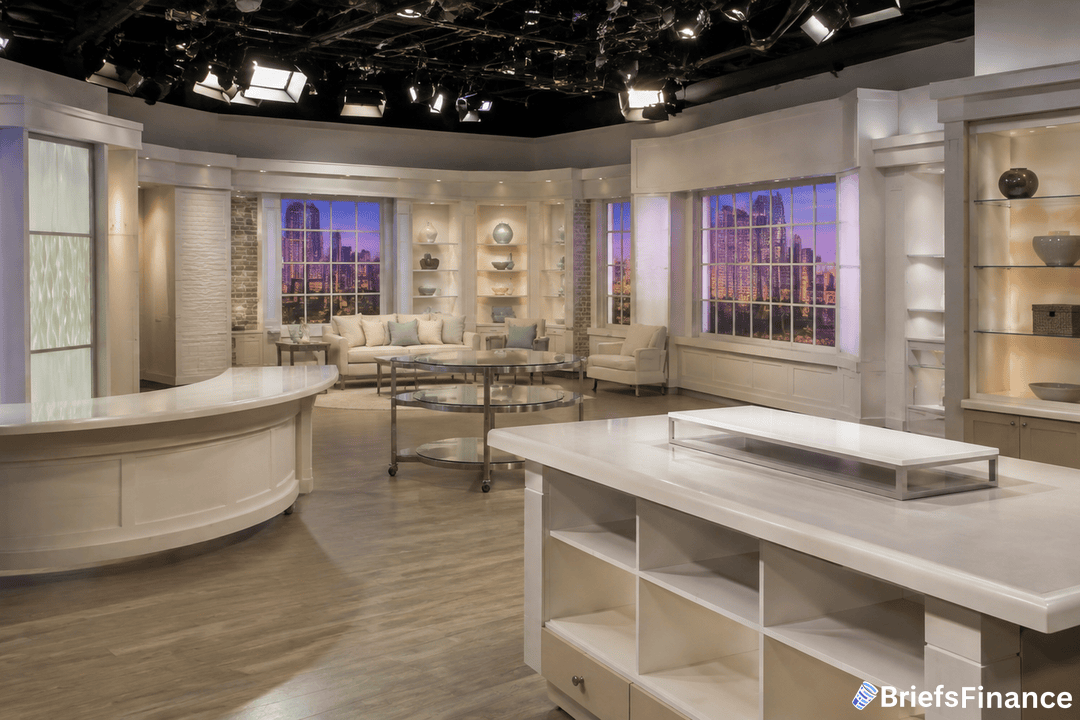
A Cable-Era Icon Reboots
If you grew up with cable, you know QVC. It is the channel where a host holds up a blender, talks about it for a few minutes, and waits for the phone to ring.
That model made QVC a household name. The company still owns the QVC and HSN channels, and HSN used to be called the Home Shopping Network.
Then habits changed. Shopping moved to phones, and online rivals made the old TV pitch feel slow.
In April, QVC filed for Chapter 11, the bankruptcy process that lets a company keep operating while it sorts out its finances. The company blamed a declining customer base and tougher online competition.
It also said its debt payments were slowing the move into social media.
The Debt Deal Behind the Exit
Now QVC is out of bankruptcy, and it has issued $1.2 billion in take-back notes as part of its exit.
Get the free Always Be Buying eBook and learn the simple system for building wealth on any income
Those notes turn old debt from before the bankruptcy into new obligations for the reorganized company.
The 10% interest rate is a steep price for borrowing money. It is a sign that investors see a real risk of something going wrong.
The notes mature in 2032. That gives QVC a long stretch to show the plan is working.
The $600 million line of credit is extra cash it can tap if the digital push needs fuel.
It disclosed the financing in a regulatory filing dated August 7, 2026, as it announced the formal end of the bankruptcy case.
Why the Debt Load Mattered
The Chapter 11 process gave QVC a way to deal with creditors while its channels stayed on the air. Debt payments had been holding back the company's digital push, and the reorganized financing is meant to relieve that pressure. With the take-back notes and credit line, QVC has both time and money to invest in live social shopping and other channels as it tries to rebuild its customer base.
The Bet on Live Social Shopping
Live social shopping is basically QVC's old format with a new screen. Hosts show products on social media and take questions from viewers in real time.
The company wants to bring that format to social platforms, streaming apps, e-commerce sites, stores, and its own TV networks. The broad list shows how much ground QVC wants to cover.
Investors can follow this attempt through the stock market now. QVC's shares were approved to trade on Nasdaq under the ticker QVCG.
The company is paying a double-digit rate because the market is not sure the comeback will work. That risk is real.
Download the free Always Be Buying eBook and start putting your money to work today