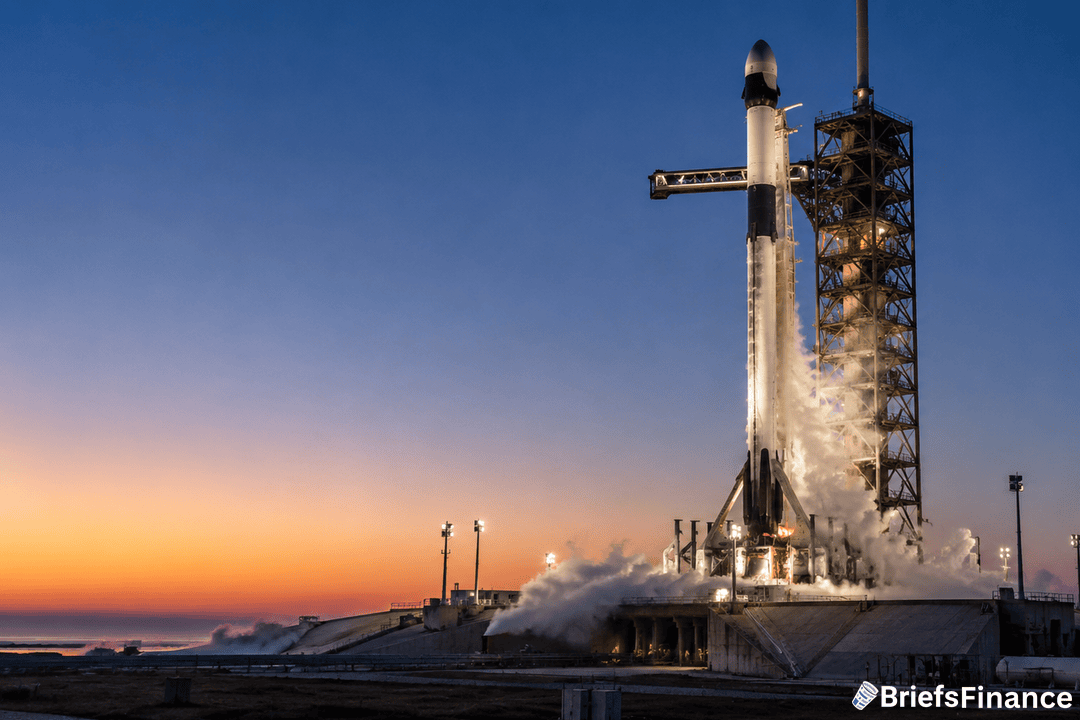
A Bet Fifteen Years in the Making
More than 15 years ago, UNC Management Co. did something most investors would have thought was crazy. It put a few million dollars into SpaceX, a rocket company that hadn't yet proved it could make the business work.
Before SpaceX went public, UNC cashed out about $1 billion. It still holds SpaceX shares worth more than $1 billion.
"You make five or 10 investments and hope one of them will work," said Max Chapman, who once chaired the Chapel Hill Investment Fund board and is a UNC graduate. "This one has worked very well."
UNC Management Co. had almost $15 billion in assets under management on March 31. About half of that belongs to the Chapel Hill endowment, and the gains are shared with other UNC System schools, UNC Press, and Winston-Salem State University.
Strong Year for Big Endowments, but Not for Everyone
The University of North Carolina isn't the only school with reason to celebrate.
For the 12 months through June, the median return before fees across all endowments was 12.7%.
But "you either have those names that blew up in a big way or you don't," said Michael Rush, a senior vice president at Wilshire. Large funds earned 14.5% to 20.5%, while the big winners did a lot better because they took big risks.
Get the free Always Be Buying eBook and learn the simple system for building wealth on any income
SpaceX is the biggest example. Its June 12 initial public offering, known as an IPO, was record-breaking, and its valuation is more than $1.5 trillion.
That's a massive payoff for funds that put money in over a decade ago. The stock has pulled back since then, falling from its $135-per-share IPO price to $114.92 on Thursday, but the IPO still left early backers with enormous gains.
Philip Casey, who advises endowments and other institutional investors, put it simply: "They're all going to be popping champagne at these mega IPOs."
Other Early Bets Are Paying Off Too
Duke also got into SpaceX early. In June 2025, Duke's endowment was $12.3 billion, and its investment office manages about twice that amount, including retirement-plan and hospital funds.
Roughly ten years back, Washington University in St. Louis put about $50 million into SpaceX. Michigan made an even bigger splash with OpenAI - it began with a $20 million position that public records show had grown to $2 billion by 2023.
OpenAI is currently valued at $852 billion and has confidentially filed for an IPO.
Washington University, which holds $17 billion in assets, mostly in its endowment, also invested in funds holding Cerebras.
Energy is the quieter winner. Endowments that kept their oil-and-gas holdings, despite pressure to sell, gained from higher energy prices partly caused by the conflict in Iran.
The S&P 500 rose 22% over the 12 months ending in June. Energy stocks gained almost 30%, helped by ExxonMobil and Chevron.
What This Means for Your Money
The gap between a 12.7% median return and a 30% return is not luck. Ted Karns, now a Boston University Questrom School of Business professor, previously worked at Princeton's endowment for 15 years. He said big differences in one year usually reflect decisions built over years.
Karns said a concentrated bet "can then work in both directions."
For everyday investors, the lesson is not that the next SpaceX is out there waiting. It's that one long-shot bet can carry a whole portfolio when it works, and a pile of failed long shots can drag one down when it doesn't.
Strong returns for tech- and energy-heavy endowments could also ease some pressure on schools. Federal research funding is under threat, enrollment is shrinking, and private equity has been weak.
The pattern is worth remembering: this year's statement is built on years of quieter decisions. A small number of investments can move the whole picture, in both directions.
Download the free Always Be Buying eBook and start putting your money to work today