Foreign Buying Slows Across the U.S.
Foreign buyers are pulling back from the American housing market in a big way. At roughly 67,100 properties, the total was the second-lowest annual total since the National Association of Realtors started keeping track in 2009.
The dollar figure fell faster than the transaction count, which suggests the mix of homes foreigners bought shifted too. NAR's chief economist, Lawrence Yun, linked the slowdown to fewer international visitors.
"The decline in foreign home buyer activity mirrors the decline in international visitors and tourists to the United States," Yun said. He added that even a weaker U.S. dollar, which gives foreigners more purchasing power, did not bring them back.
Florida still holds the top spot. "Florida, with its beaches and favorable winter climate, continues to be the top state to draw foreign buyers," Yun said.
Luxury New Homes Are the Exception
Those NAR numbers cover resale homes only. New homes sold to foreigners do not show up in the resale count at all.
Get the free Always Be Buying eBook and learn the simple system for building wealth on any income
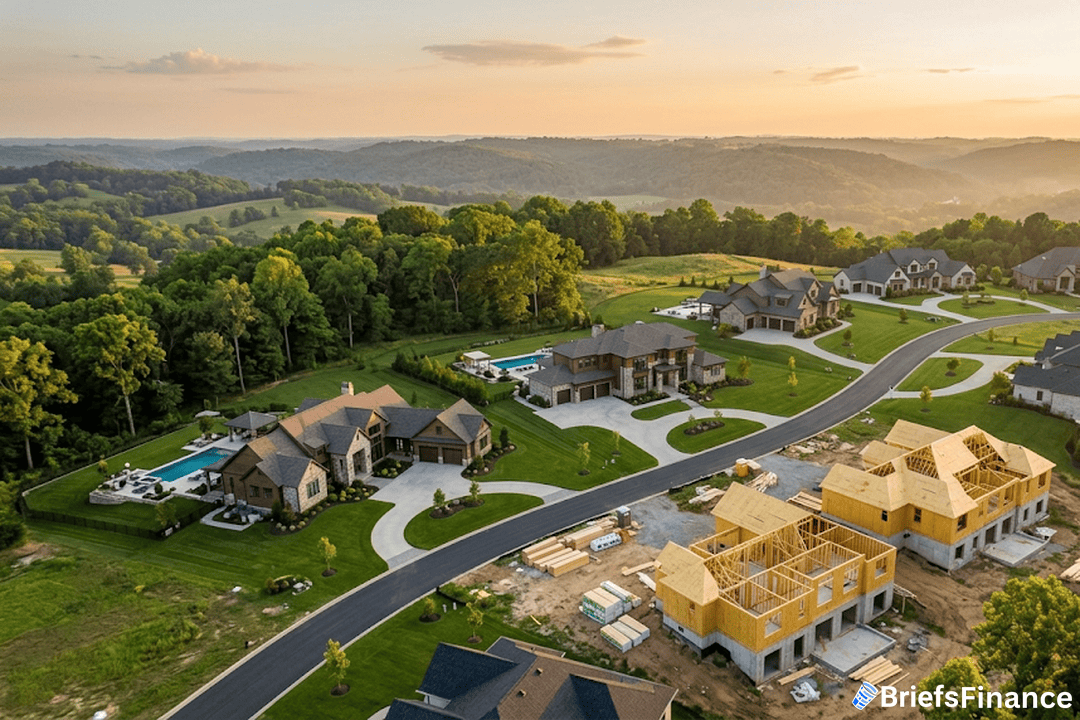
"Although the overall volume of new home sales to international buyers has decreased recently, the luxury segment remains relatively strong," said Scott Wild, a principal at John Burns Research & Consulting. His firm tracks foreign buying through sales-office observations and builder reports to fill that gap.
No market shows that better than Irvine, California. In the Southern California city of Irvine, for example, "The luxury new home market continues to be driven by buyers from outside the county, particularly affluent buyers from China, many of whom are purchasing homes with cash," Wild said. Builders in Irvine are marketing their higher-end communities directly to foreign buyers, he said.
Different Buyers, Different Pressures
Foreign buyers are not one uniform market, and Wild said you cannot treat them that way. Wealthy investors, relocating professionals, and households seeking residency respond to different economic and policy forces.
The steepest decline is among H-1B visa holders and similar employment-based skilled workers. They had been a steady source of demand in tech-heavy markets, but changing visa and immigration policy has hurt their buying confidence.
That shows up in the national mix. Mexican buyers now outnumber Chinese buyers by transaction count. Chinese buyers still lead in spending, though, because of luxury purchases, especially in California.
The bottom line: If you are watching the housing market as a buyer or seller, foreign demand matters most in a few specific places: Florida, California, and the high end of the new-home market. In most of the country, the bigger forces are local supply, mortgage rates, and domestic buyers.
For buyers and sellers, that gap matters. The resale data tells one story, while builders in Irvine are living another.
The foreign slowdown is real, but it is also narrow. Builders courting the world's wealthiest buyers show that money still moves when the product is right.
Download the free Always Be Buying eBook and start putting your money to work today