What the Numbers Say About How People Feel
The "current conditions" component rose to 54.9, a four-month high. The "expectations" index climbed to 54, also the best since February.
The improvement was consistent across different age groups, income levels, and political affiliations.
Consumer confidence measures are closely watched because they often foreshadow spending patterns, which account for roughly two‑thirds of U.S. economic activity. Despite the recent uptick, the index remains well below the pre‑pandemic average of around 100, signaling persistent caution among households. While the drop in near-term inflation expectations to 4.2% from June provides a glimmer of hope, the survey director's comments underscore persistent concerns about future price increases.
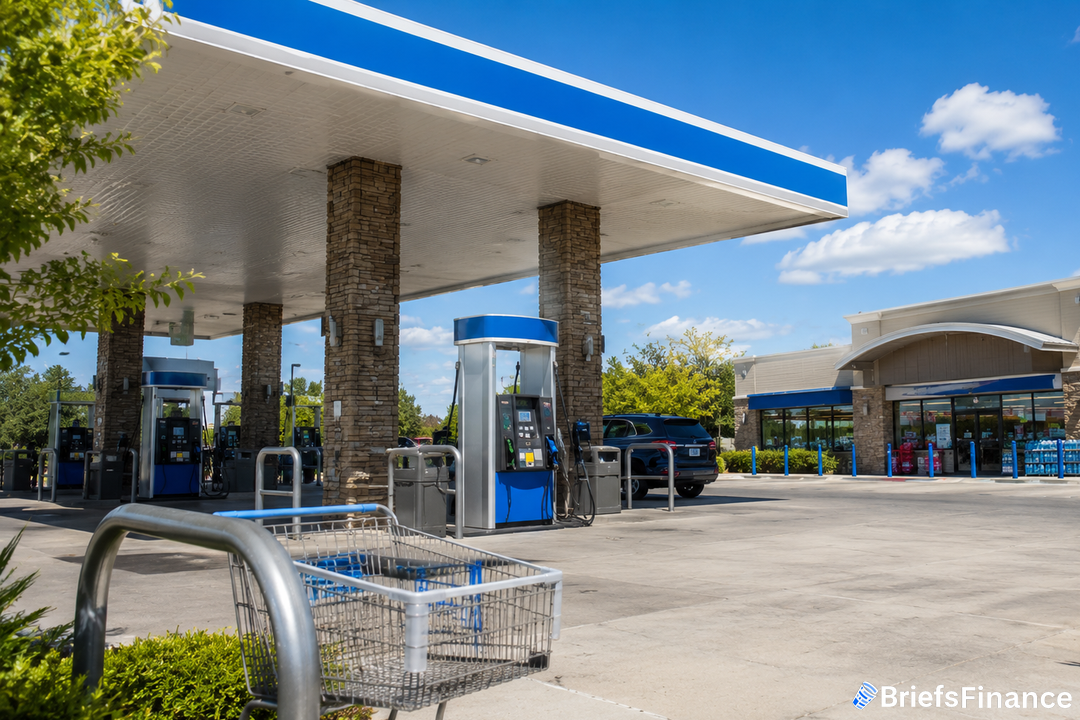
Falling Prices at the Pump Let People Breathe
For the longer term, consumers project a 3.3% yearly rise in costs over the next five to ten years, unchanged from June.
Get the market news that matters in a five-minute read with Market Briefs, our free daily newsletter
Joanne Hsu, the survey's director, remarked, "Consumers continue to worry that inflation pressures may worsen going forward." She further noted, "A growing share of consumers reported that buying conditions were favorable now to avoid price increases in the future."
The Catch: The Middle East Could Change the Picture
Data was collected between June 23 and July 13, with the report stating that over 70% of submissions were finished before the United States launched strikes on Iran at the start of July. Following those strikes, renewed hostilities in the region have begun driving up gasoline costs and clouding the inflation forecast.
Background Context on Confidence Levels
Despite the recent uptick, the sentiment index remains at a historically low level. High inflation has eroded purchasing power over the past two years, and while gasoline prices have fallen recently, other necessities like rent and food remain elevated.
To put this reading in perspective, the index's long-term average hovers around 100, and levels below 60 have historically been associated with economic downturns or severe financial stress. The current figure of 54.4, while improved, signals that households are still grappling with the cumulative effects of two years of high inflation. Although gasoline prices have eased, other essential expenditures such as rent, medical care, and groceries continue to strain budgets.
Furthermore, the labor market, while still resilient, has shown signs of cooling, which could further weigh on consumer confidence if job gains slow. This backdrop suggests that any positive shift in sentiment may be vulnerable to external shocks, such as the recent escalation in the Middle East.
This caution suggests that any boost in sentiment could be temporary if global events push energy costs back up or if the labor market weakens.
Historically, readings below 60 have often coincided with recessionary periods or severe economic strain, underscoring that households remain under considerable pressure. The temporary nature of falling gas prices may not be sufficient to sustain a recovery in confidence if other essential costs continue to climb or if geopolitical tensions escalate further. Consumers' continued worry about inflation, as noted by the survey director, reinforces the fragility of the recent uptick.
Join Market Briefs, our free daily newsletter, for a quick daily rundown of the markets