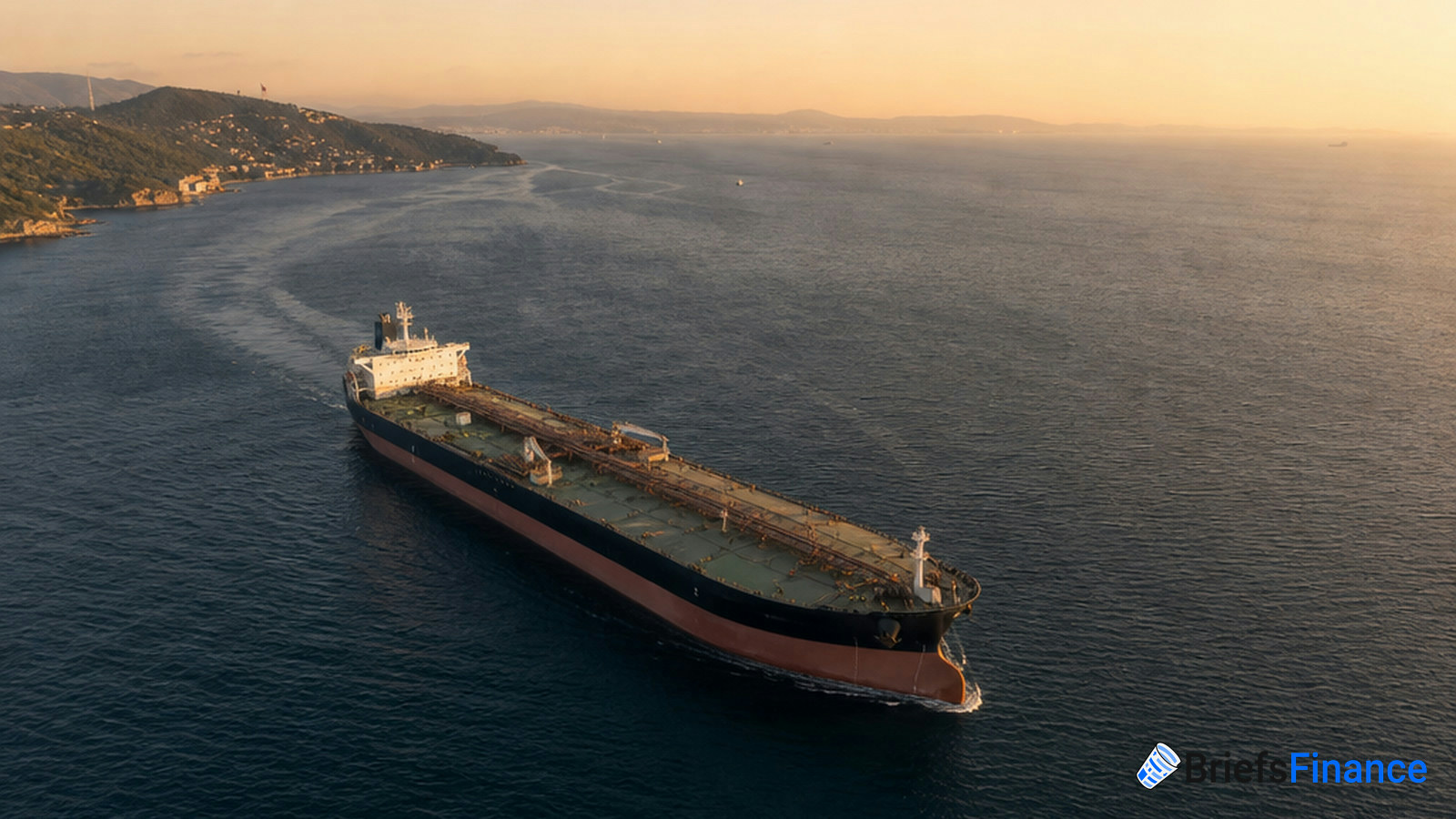
Trump says a deal with Iran is a week away, but Tehran reportedly just walked out of the talks, sending crude up 4% - its biggest one-day move in about a month - as traders tried to price both stories at once.
Two Chokepoints, Not One
The Strait of Hormuz has always been the one to watch, moving about a fifth of the world's oil and about a fifth of global liquefied natural gas - LNG, the fuel that powers a huge share of global heating and electricity.
Shut it, and the global energy map rearranges overnight.
Now Iran is reportedly putting a second waterway on the table: the Bab el-Mandeb Strait at the southern end of the Red Sea, the backup route the world has been quietly relying on.
Roughly 12% of seaborne oil trade has historically moved through the Red Sea route - Bab el-Mandeb and the Suez Canal - on its way to Europe, and Houthi attacks on shipping already disrupted that route once before.
If Tehran closes both, there is no backup - tankers go the long way around Africa, adding roughly 15 days to each trip from the Arabian Sea to Europe and pushing up the cost of everything that runs on oil.
That's why a 4.2% jump in Brent feels small next to what could still come, with visible commercial traffic through Hormuz already thinning since Friday.
The market is already pricing in less oil moving, not more.
We unpack how stories like this actually hit your portfolio every morning in Market Briefs - in five minutes a day, plus a free 45-minute investing masterclass when you sign up.
Trump Talks Deadline While Markets Stay Skeptical
Trump told ABC News a memorandum of understanding with Iran on Hormuz - a written agreement that lays out terms before a formal deal - could happen "over the next week," with a few more points to lock down before a deal is on the table.
The problem is the rest of the picture: Iran's semi-official Tasnim news agency reported Tehran is halting talks over Israel's strikes in Lebanon.
Trump and Netanyahu gave different accounts of their own call about the same fighting, while the ceasefire between Israel and Hezbollah is being renegotiated this week.
"As long as flows through Hormuz have not fully normalized and the US-Iran negotiation process remains uncertain, oil prices are likely to stay elevated and volatile," said Linh Tran, a market analyst at XS.com.
Traders aren't going to take Trump's word for it until ships are actually moving.
What To Watch
The number that matters this week isn't a price - it's the count of tankers moving through Hormuz, and if traffic picks back up, the 4% jump unwinds fast.
But if Iran makes a real move against the Bab el-Mandeb, the conversation shifts from "elevated" to something else entirely.
Until the ships start moving through Hormuz, every other market is taking its cues from oil.
If you want this kind of read on oil, geopolitics, and what they mean for your money, join 350,000+ investors reading Market Briefs - the free investing course is thrown in as a bonus.