Strong Earnings on a Trade Surge
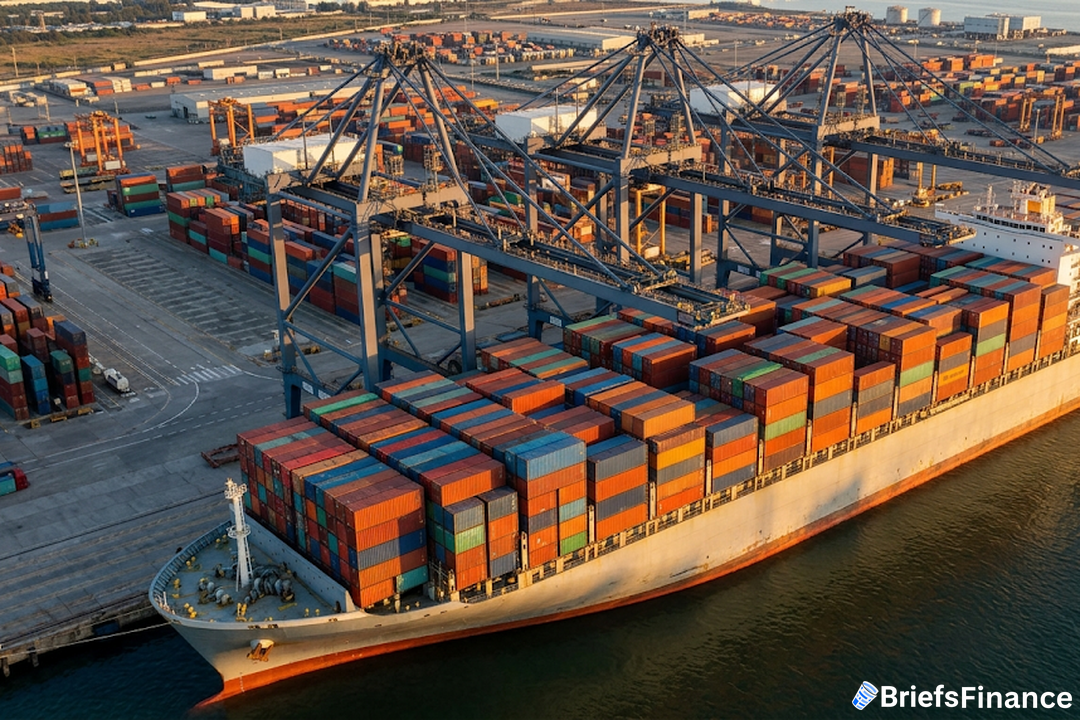
CMA CGM, the world's third-largest container shipping line, is controlled by the billionaire Saade family. The company operates a vast fleet and has been navigating geopolitical tensions, including disruptions in the Red Sea and shifting US trade policies. Both a recovery in global trade and US companies stockpiling goods out of fear of future tariffs have propelled CMA CGM's recent financial performance.
The FedEx supply chain deal, expected to close later this year, will bolster CMA CGM's logistics offerings. The Saade family's controlling stake in CMA CGM has a net worth of approximately $45 billion, as estimated by the Bloomberg Billionaires Index, giving the firm significant financial flexibility to weather disruptions and pursue acquisitions.
A familiar dynamic is behind these results: US buyers have returned to Chinese suppliers, causing a surge in shipments. "Over the past months there has been a rebound of Chinese exports to the US compared to what was seen over the previous year," said CFO Ramon Fernandez on a conference call.
A Window of Opportunity
Trade decoupling simply "didn't happen" last quarter, Fernandez said.
Get the market news that matters in a five-minute read with Market Briefs, our free daily newsletter
Why? Uncertainty over US tariff policy. In February, the Supreme Court dealt a setback to President Trump's tariff strategy. Fernandez described this period as a temporary opportunity for businesses to rebuild their inventories.
Trade Rerouting and Rate Support
The ongoing Red Sea crisis has forced container lines to reroute around the Cape of Good Hope, adding weeks to voyage times and consuming vessel capacity that would otherwise be available. This supply constraint has pushed up spot freight rates, providing a tailwind for carriers. CMA CGM's four vessels stranded in the Persian Gulf underscore the geopolitical risks, but the company's diversified fleet and ability to deploy alternative routes have helped cushion the impact. Meanwhile, the broader rebound in global trade - particularly Chinese exports to the US - has further boosted volumes.
Broader Context and Strategic Position
CMA CGM operates a fleet of over 600 vessels serving more than 420 ports worldwide, giving it a global footprint that allows rapid adaptation to regional disruptions. The company has also been expanding its logistics arm through acquisitions, including the recent $1.4 billion purchase of FedEx's supply chain unit, which will add warehousing and distribution capabilities. Meanwhile, the ongoing Red Sea crisis has forced many shipping lines to take longer routes, absorbing excess capacity and supporting freight rates.
CMA CGM's strategic flexibility in adjusting its shipping routes - choosing to cross the Red Sea only when conditions are deemed safe - has set it apart from competitors.
What Comes Next
The restocking could last for months, Fernandez said. Large container shipping companies continue to reroute their ships around the Cape of Good Hope in Africa, avoiding the Red Sea route. CMA CGM says it only transits the Red Sea "when security permits."
These prolonged diversions have added weeks to transit times and pushed up freight rates, benefiting carriers like CMA CGM that have maintained flexible routing strategies. The combination of trade rerouting, pre-tariff inventory building, and a rebound in Chinese exports created an unusually supportive environment for the shipping giant.
The four stranded vessels in the Persian Gulf highlight the persistent geopolitical risks, yet the company's diversified fleet and routing options have allowed it to mitigate losses.
Join Market Briefs, our free daily newsletter, for a quick daily rundown of the markets