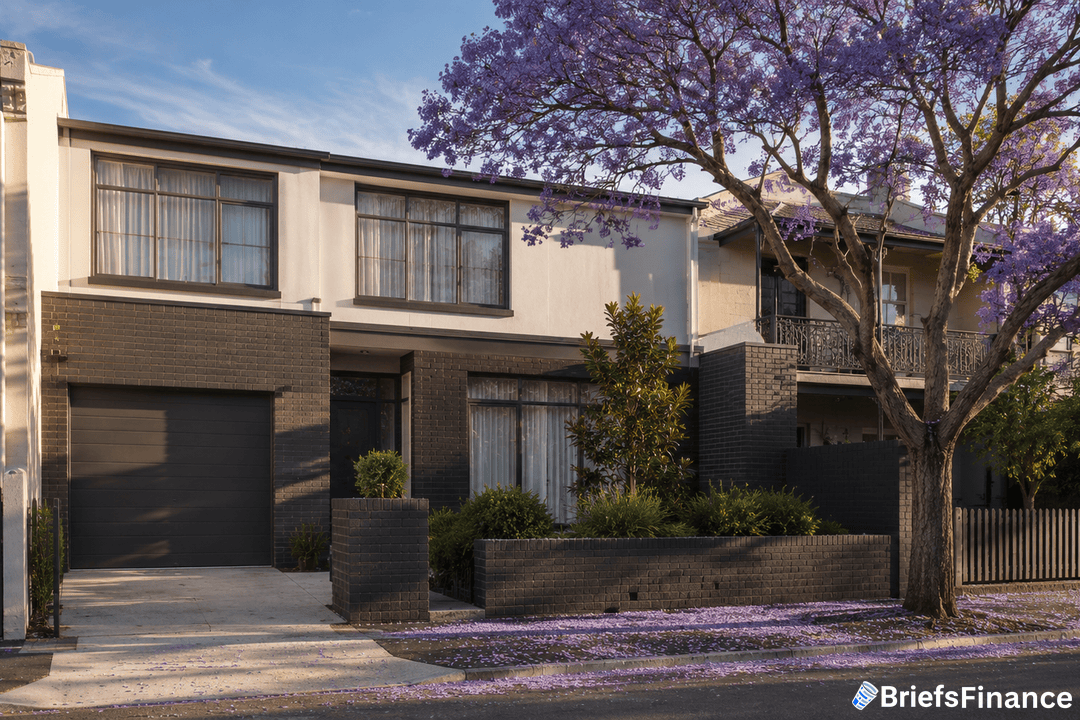
Australia has built one of the most costly home markets on Earth. The fix everyone is talking about might shave 3% off home prices.
That is what passes for a fix.
The Numbers Behind The Crisis
The national median home value sits at about $910,000. Sydney's median is roughly $1.29 million.
Melbourne's is about $823,000. Perth just hit a record median of $1.18 million after a 24.6% rise in the past year.
Rents are also at record levels in much of the country. Homelessness is rising too. Roughly 30% of homes for sale list below $700,000. First-time buyers are squeezed into a thin slice of the market.
The push to act has become too big for Canberra to ignore.
For daily reads on the home markets, central bank moves, and policy fights that shape your gains, check Market Briefs - delivered every weekday morning, with a free investing masterclass when you sign up.
What The Budget Actually Changes
Treasurer Jim Chalmers's 2026-27 budget has two big home levers. The first hits negative gearing.
That is the rule that lets buyers deduct rental losses from their other income. The rule will be limited to new builds from July 1, 2027.
Old homes bought before May 12, 2026 will be safe from the new rule until they are sold. The second lever scraps the 50% capital gains tax cut. It puts a new model in its place that adjusts for inflation and adds a 30% floor tax on net gains.
The idea is to push buyer money out of old homes and into new builds. Commonwealth Bank's home team ran the math.
It expects prices to land about 3% lower than they would have been. The hit on rents should be smaller.
Victoria offers a preview. The state raised holding costs for landlords through a string of moves.
Live rental bonds fell by more than 20,000 in just one year. Melbourne home prices grew about 11% over five years, while rents rose about 35% in the same span.
What To Watch
The risk is that the policy moves the problem instead of fixing it. Less buyer rivalry for old homes could help some first-time buyers.
But if grandfathered buyers hold rather than sell, supply stays tight. Renters take the hit instead.
The supply-side part of the budget matters more than the tax part. The state put $2 billion into roads, water, and sewer lines.
That should unlock up to 65,000 new homes over a decade. Australia's own target is 1.2 million new homes in five years.
That math does not add up yet. Watch build costs, planning times, and how many old-school buyers choose to sell rather than ride out the new rules.
Buyers should also track what foreign cash does. Chinese, Hong Kong, and Singapore money has poured into Aussie homes for years. The new rules add fresh friction for those bids too.
A slower flow of foreign cash could ease prices a touch. But it could also leave new builds short of buyers, which slows the supply boost the state needs.
The next year of data will sort the winners from the losers. For now, the fix is on paper.
If you want this kind of read on home prices, policy, and your gains every morning, sign up for Market Briefs and get a free 45-minute investing course as a sign-up bonus.