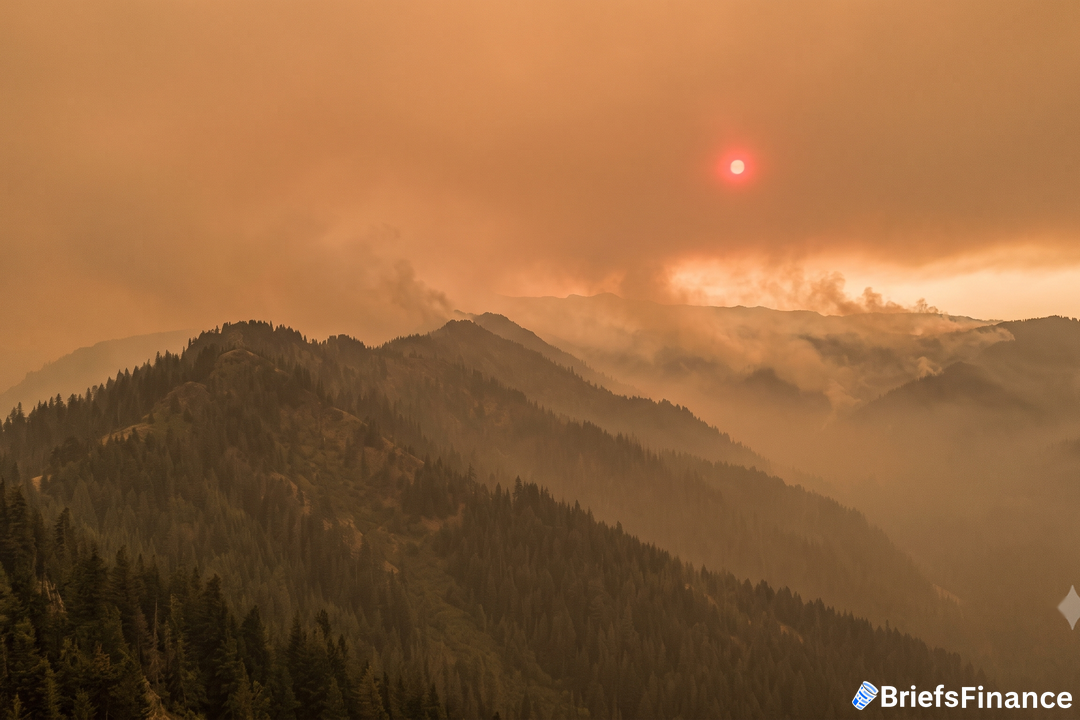
Background on the Wildfires
By July 16, 2026, Canada was still dealing with hundreds of active wildfires, with smoke drifting into the northern United States. Firefighters are working around the clock to contain the blazes, but dry conditions and strong winds have hampered efforts. The smoke has caused air quality index readings to exceed 300 in some locations, a level considered dangerous for everyone.
The blazes have been especially severe in British Columbia and Alberta, where thousands of hectares have been burned. International firefighting crews have been deployed, but the immense scale of the emergency continues to challenge containment.
Health officials have issued warnings advising residents to stay indoors and limit outdoor activity. The U.S. Environmental Protection Agency classified the air quality in certain regions as 'hazardous'. In locations such as Detroit and Minneapolis, the EPA recorded air quality index values that hit the hazardous category.
Firefighting crews from across Canada and several other nations have been mobilized, yet the sheer number of active fires - many burning out of control - continues to strain resources. Local authorities in both countries have set up air quality monitoring stations and are distributing masks to vulnerable populations. The ongoing crisis has also led to temporary closures of schools and businesses in areas with the heaviest smoke.
Get the market news that matters in a five-minute read with Market Briefs, our free daily newsletter
Sports and Concerts Hit by Smoke
Schedule changes were forced by the smoke drifting from Canada's numerous active wildfires.
In a Facebook post, the band wrote, "Scott, Mark, Brian and Flip were incredibly excited to perform for the sold-out crowd but given the environmental conditions and the challenges they create for the band, crew, venue, staff and attendees, the decision has been made to move the performance."
The bottom line: This is not just an isolated headache.
Where the Smoke Is Coming From
Canada is fighting hundreds of wildfires right now, and the smoke travels hundreds of miles across the border. Rising temperatures and reduced moisture due to climate change create conditions that allow wildfires to ignite and expand more readily. These conditions have contributed to an especially active wildfire season, with many blazes burning out of control and sending heavy smoke into major U.S. cities.
The prolonged nature of this wildfire season raises concerns about recurring disruptions as climate conditions continue to favor fire activity.
Some of the largest US cities have received air-quality warnings.
These widespread cancellations demonstrate the far‑reaching consequences of the ongoing wildfires. Beyond the postponed events, residents in affected regions are being urged to limit outdoor activity, and authorities are monitoring conditions closely as the wildfire season continues. The prolonged wildfire season has strained firefighting resources and raised concerns about long-term health effects from repeated exposure to smoke. Communities in both Canada and the U.S. are grappling with the economic and social disruptions caused by these environmental events.
Join Market Briefs, our free daily newsletter, for a quick daily rundown of the markets