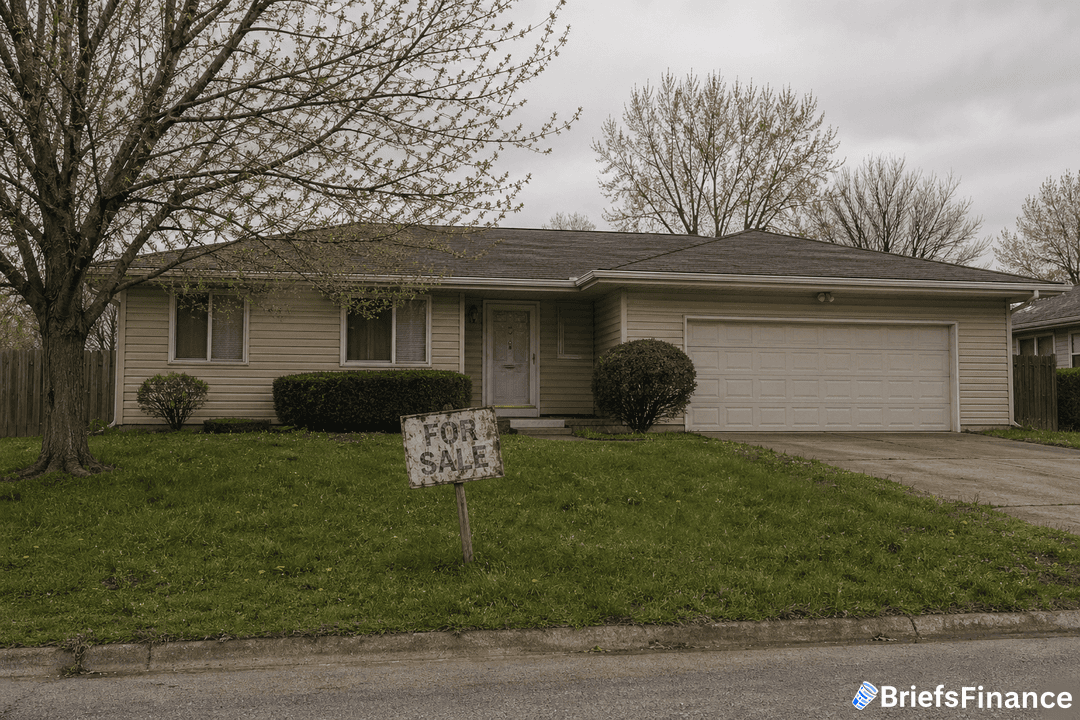
Two springs in a row, agents got ready for the bounce. Two springs in a row, something else got in the way.
Last year it was a wave of tariffs. This year it's the war in Iran and a gas price shock that came with it, and neither buyers nor sellers seem ready to make the first move.
The Standoff Nobody Wants To Break
The biggest single factor in the housing market right now isn't a number on a chart. It's a feeling. Sellers who locked in 3% mortgages a few years ago don't have a strong reason to give them up. Buyers, watching rates bounce around with the news cycle, see no rush to put in offers either.
"Really, it looks like these are sellers who are perfectly happy to wait," Mike Simonsen, chief economist at Compass International Holdings, told Business Insider. "They just don't have to sell."
Buyers are running the same playbook. "Buyers are kind of like, 'If I wait, I'll probably get it cheaper,'" said Neil Brooks, a Phoenix-area real estate agent.
Forecasts Are Getting Walked Back
Some economists came into the year predicting a real comeback for housing, and the National Association of Realtors had penciled in what one researcher called a "rip-roaring" 2026.
That outlook is fading fast. "We were not forecasting a boom coming into this year," said Rick Palacios Jr., director of research at John Burns Research and Consulting, describing his own view as guarded even before the war started.
Then came Iran. "The timing of all this couldn't have been worse from a housing perspective," Palacios said.
Gas prices have spiked, consumer confidence has cratered, and AI-driven layoffs are spreading, and none of that helps an investor sign up for a 30-year mortgage.
Where The Cracks Of Light Are
It's not all dark. John Burns data shows a few pockets of strength in 22 of the country's largest housing markets, and even in stressed markets like Phoenix, well-priced homes can still draw multiple offers.
Builders are getting creative too. Many are offering rate buydowns, paying upfront to lower a buyer's mortgage rate for the first few years, plus other perks to keep deals moving.
The basic recipe for a real recovery is simple:
- An end to the war
- Steady job growth
- A stretch of stable mortgage rates
Phoenix, for example, is still adding jobs, and whether that holds is the open question.
What To Watch
Don't bet on a dramatic summer turnaround. A modest pickup is possible if the news flow calms down, but most forecasters see the second half of the year shaping up like more of the same standoff.
"If we can have some rate stability and less volatility, affordability will improve," said Jason Waugh, an executive at Coldwell Banker. For now, that's the bar - not a boom, just less drag.
This is a market waiting for a reason to move.