What officials are saying
"We analyze both here in Vienna, but also at the ECB level, the effects of these events on inflation," he said, calling that "the most important point for central banks."
He pointed to research on El Niño and droughts showing "more inflationary pressure coming from these events." The work is ongoing: "We monitor this systematically," Kocher said. "We understand increasingly well how inflation risks are related to climate change."
Data and the recent summer
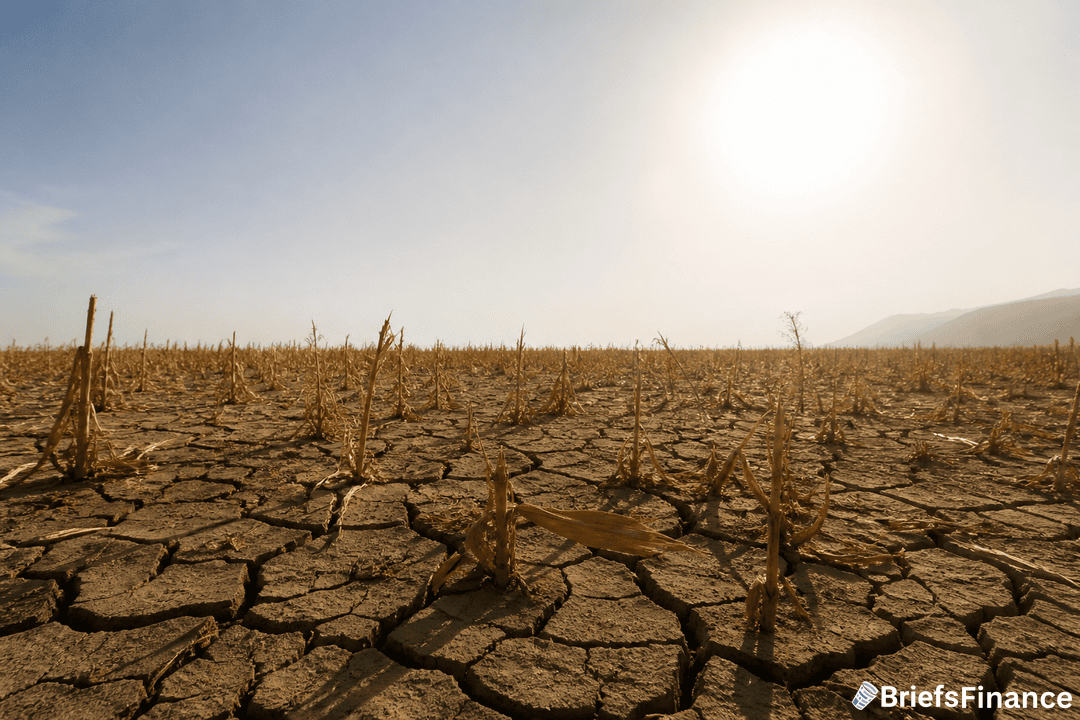
Europe's recent heat was costly and deadly. Scientists estimate last summer's extreme temperatures led to around 50,000 fatalities in urban areas across the continent - the worst toll on record - while trimming EU GDP by roughly 0.17%, or about €17 billion ($18.9 billion).
The ECB is putting numbers on what could follow.
When big trends like climate and policy can affect prices, sign up for the free Market Briefs to stay informed each morning
This debate comes while COP31 negotiations in Turkey remain stuck, and while 2026 will very likely mark the second calendar year with a mean temperature exceeding 1.5C above pre-industrial global temperatures.
Wider central bank view and contrast with U.S. moves
Kocher's stance lines up with other Governing Council members who argue climate risks sit within existing mandates. At COP31 in Antalya, Olaf Sleijpen, the Dutch central bank governor who heads the Network for Greening the Financial System, said that climate change influences production, inflation, asset prices, credit exposures, and overall financial-system resilience. "A risk that affects all of those things is not somebody else's risk," he said. "It sits squarely within the responsibilities of central banks and supervisors."
Europe's focus contrasts with recent U.S. moves. In 2025, the Federal Reserve exited the NGFS and shut down two in-house groups focused on climate-related financial risks. U.S. banking regulators likewise pulled back their stand-alone climate-risk guidance last year.
What this means for your portfolio
Climate shocks are showing up in the very metrics central bankers watch, from last summer's GDP hit to forward-looking food price estimates. That can shape ECB policy and ripple through food suppliers, agriculture-exposed businesses and commodity-linked names, as well as rate-sensitive assets.
Because long term risks evolve slowly, get the free Market Briefs newsletter for a concise daily roundup you can read quickly