What passed and how much it will raise
Preliminary results point to 61% in favor across the five participating counties, and the measure is projected to bring in about $980 million annually for local agencies.
The plan lifts San Francisco's sales tax by 1 point and adds a half point in each of four neighboring counties. Those increases layer onto existing local rates, with some cities already topping 10%. The money is slated to fund day to day service and long term projects.
Why transit supporters pushed the measure
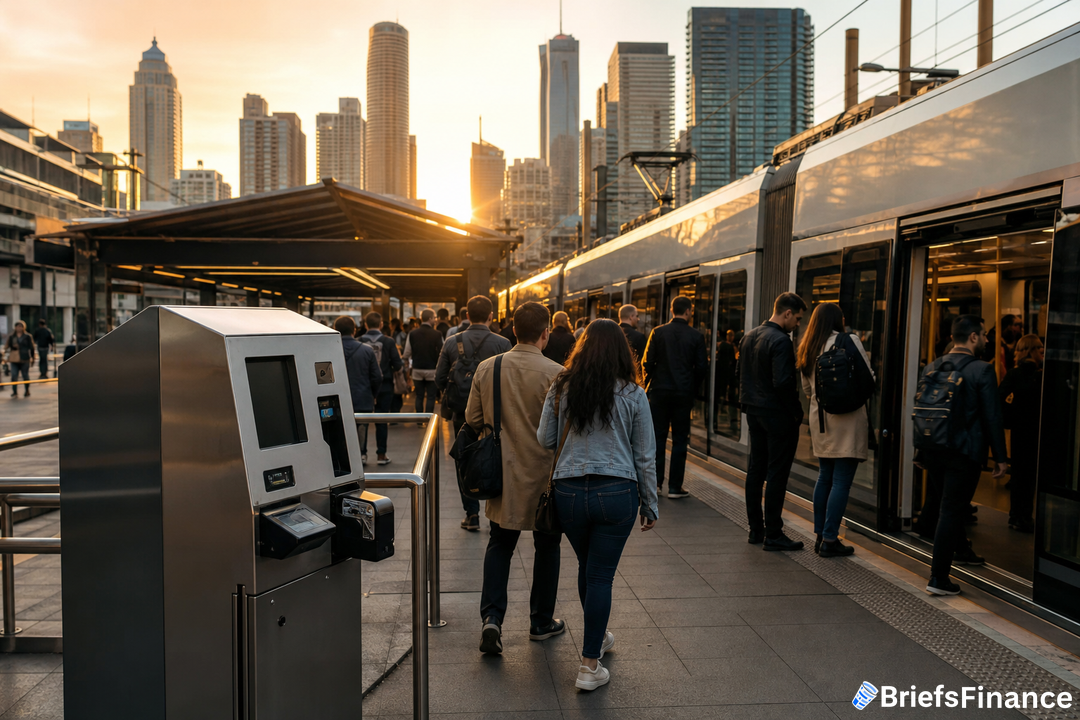
Transit operators are staring at yearly shortfalls of more than $800 million, and they warned of deep cuts without new cash. Bay Area Rapid Transit said a defeat would have meant reduced service and closures at many outlying stations, while Caltrain flagged broad service reductions if the vote went the other way.
An unusual alliance rallied behind the tax, bringing together unions, transit advocates and big tech names including Anthropic PBC and Google. As spokesperson for the Connect Bay Area Transit campaign, Jeff Cretan said, "There is no doubt: the Bay Area believes in public transit," adding, "This historic campaign has shown that there is a huge groundswell of support and love for public transit and a recognition that the Bay Area doesn't work without our buses and trains."
Local policy shifts remind investors that staying informed can sharpen their investment edge. We're hosting our first ever investor livestream on 11/17 to show you how to use ChatGPT and Claude to invest like a pro, hosted by Briefs Finance CEO Jaspreet Singh. Save your seat.
Legal risks, related city vote, and what this means for your portfolio
S&P Global Ratings flagged a potential snag before the election, noting that opponents, who spent little to campaign against it, could sue to halt the measure and push implementation back for years. The agency warned, "We believe a delay in receipt or a successful challenge of the new recurring revenue stream could introduce further credit deterioration for the transit operators."
In a separate vote, San Francisco residents backed a property tax to support the city's Municipal Transportation Agency, which runs buses, trams and cable cars. Early results showed it clearing the 70% mark. The bottom line: more predictable revenue supports operations and capital upgrades, but any court delays would keep credit pressure high for Bay Area transit issuers, a factor to watch in muni bond pricing and regional fiscal risk.
New technologies offer practical ways for investors to gain thoughtful long term advantages. On 11/17, our CEO Jaspreet Singh goes live for our first ever investor livestream on how to use ChatGPT and Claude to invest like a pro. Register to join him.