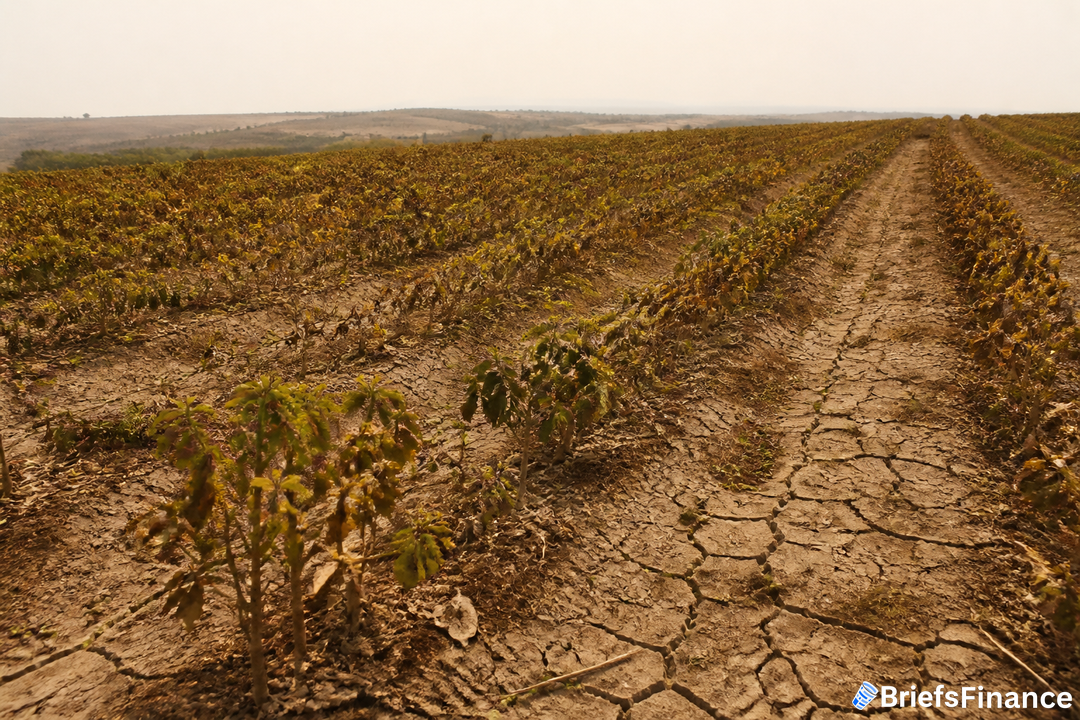
What happened
Subpar rains during the four-month monsoon hurt yields, the state-run Coffee Board said. For the season through March, Chairman M.J. Dinesh now sees output around 380,000 metric tons, noting it falls by over 5% from the board's earlier projection, which had penciled in a figure north of 400,000 tons.
How it ties to exports and prices
India ships about 70% of what it grows, and around 70% of production is robusta. A smaller harvest could leave fewer beans for export, pushing shippers to bid higher and potentially chipping away at India's price edge in markets where costs rule the decision.
Karnataka, the top producing state, is particularly sensitive to rainfall shifts, so weaker monsoons there can ripple quickly into export availability.
Weather and harvest shifts remind investors to consider fresh tools for smarter decisions. We're hosting our first ever investor livestream on 11/17 to show you how to use ChatGPT and Claude to invest like a pro, hosted by Briefs Finance CEO Jaspreet Singh. Save your seat.
Global context and outlook
India remains Asia's third-largest coffee producer, but the global supply picture looks more forgiving. According to Citi Research, shipments out of Brazil, the leading producer, should be "exceptionally strong," while Vietnam is set to supply plenty of robusta; together, those flows would help restock inventories and weigh on prices. The bank cut its arabica price outlook for both the coming three months and the next 12 months.
Why it matters for your portfolio
In plain English: watch how winter rains shape India's next crop and how quickly Brazilian and Vietnamese flows rebuild stockpiles, because that push and pull sets the backdrop for coffee prices that feed into consumer brands, traders, and shipping margins.
Small changes in supply can matter, so investors benefit from better analysis methods. On 11/17, our CEO Jaspreet Singh goes live for our first ever investor livestream on how to use ChatGPT and Claude to invest like a pro. Register to join him.