What happened at Dhahran
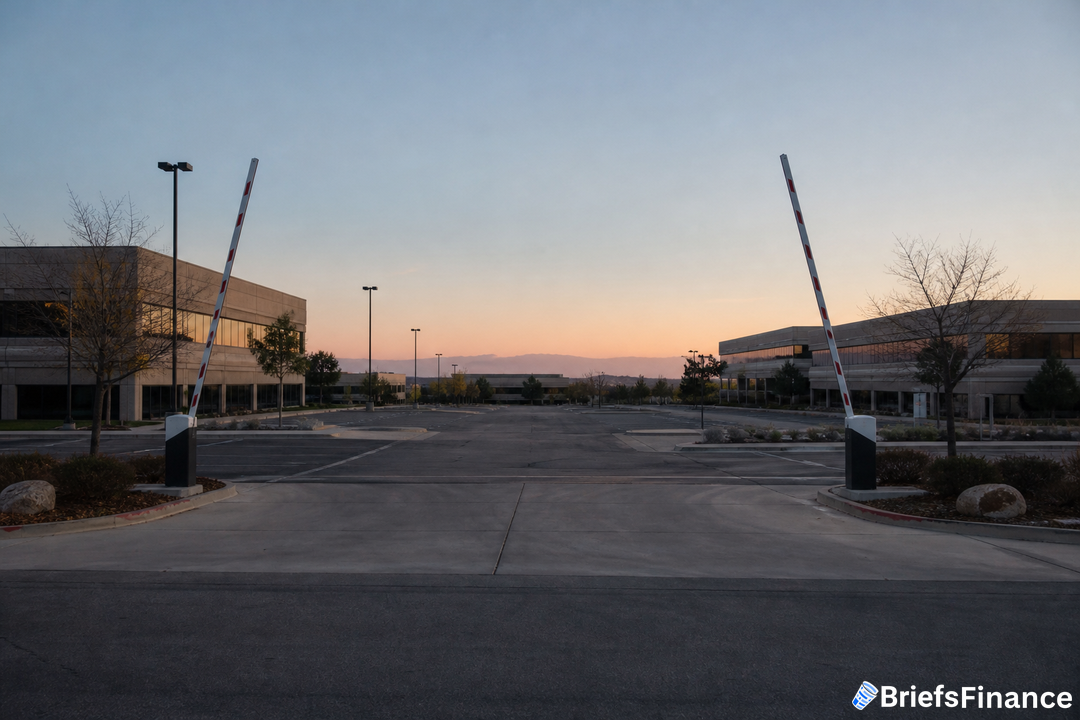
People familiar with the situation said Aramco cleared its headquarters in Dhahran on Thursday following an alarm and asked employees to work from home. The trigger for the alarm was not immediately known, and there is no timeline yet for when staff will return on site.
Those people requested anonymity because they were discussing security matters. Aramco and the Saudi Energy Ministry did not immediately respond to requests for comment.
Escalating risk from Houthi attacks
Saudi Arabia has been on alert after a burst of Houthi strikes in recent weeks, including deadly hits on Aramco-linked sites. On Wednesday, an attack on the Shaybah oil field left two people dead, and another strike hit Dammam's airport in the eastern part of the country, killing two others.
Aligned with Tehran, the Houthis had been battling Riyadh long before the US-Iran war that began in February. They ramped up their campaign in October after Yemeni forces backed by Saudi Arabia moved to retake Houthi-held territory. Last week, militants attacked a tower inside Aramco's headquarters compound, damaging three floors and sparking a fire, and an office tower was also targeted earlier this month.
When headlines feel unsettling, staying informed still helps, so get the free Market Briefs newsletter for a quick daily summary.
Business and travel fallout
Because of the heightened danger from Houthi activity, the US State Department instructed non-emergency staff and their family members to depart Saudi Arabia. The UK has added defensive support to the kingdom. The drumbeat of strikes has also pushed Saudi Arabia to delay its flagship investment conference, the Future Investment Initiative, now slated for 2027.
Aramco's headquarters sits in Dhahran along the Persian Gulf, a location meant to symbolize stability for the world's largest oil exporter. The recent attacks are forcing companies and governments alike to reassess risk on the ground.
Why it matters for investors
Energy operations in Saudi Arabia do not pivot on a single tower, but a pattern of attacks that includes fatalities, headquarters disruptions, and outbound orders for US government families is a clear risk marker. The strikes are already testing Riyadh's pitch as a regional business hub, which can influence capital flows and corporate expansion plans tied to the kingdom. The bottom line: headline risk in Saudi assets and oil-sensitive names is rising alongside the security alerts.
When headlines touch on security and energy, it helps to have context, so subscribe to the free Market Briefs each morning.