What happened
Following August's 3.1% print and July's 2.9%, inflation rose to 3.5% in September, the strongest annual reading in nearly a year. That overshot the 3.4% consensus forecast from economists polled by Reuters.
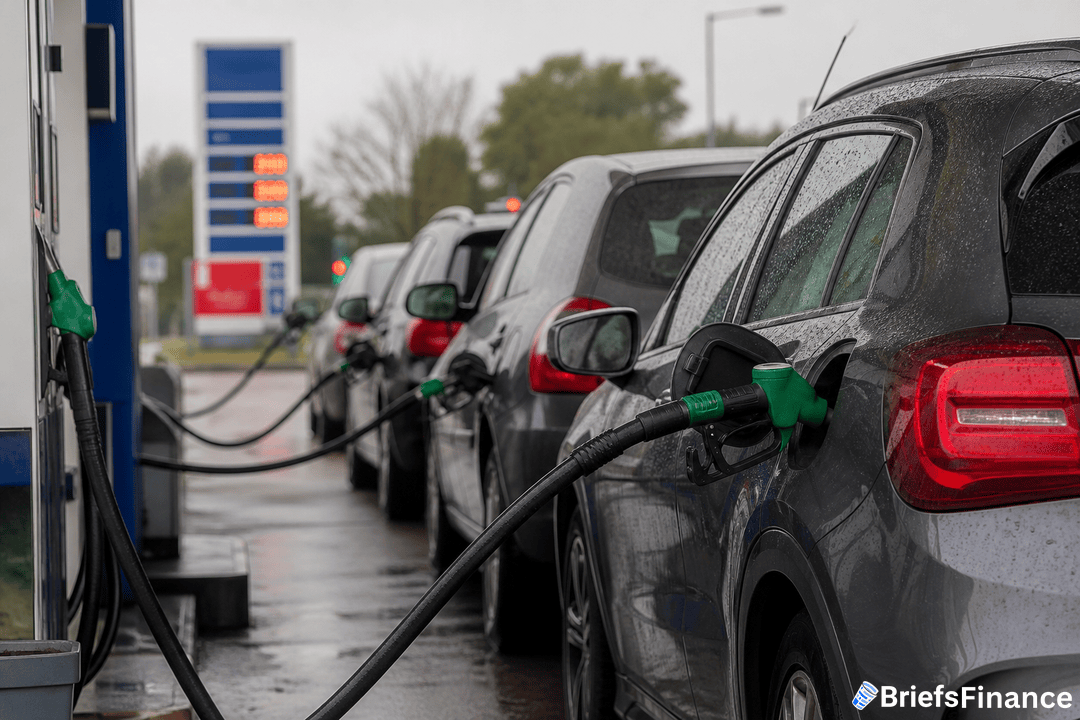
The Office for National Statistics pointed to motor fuels as the main culprit. It said fuel price inflation reached its strongest pace since August 2022, a period when costs surged after Russia launched a full-scale invasion of Ukraine. ONS data show pump prices rose 29.8% from a year earlier.
Britain's status as a net energy importer leaves it exposed to shocks from abroad, including the U.S.-Iran war and the resulting difficulties moving oil through the Strait of Hormuz.
How markets and policymakers reacted
The pound was little moved versus the euro and the U.S. dollar after the release, and U.K. government bond yields barely budged.
According to LSEG, markets are pricing a 98% chance the Bank of England raises the policy rate to 4% next month with a move of 25 basis points. Most also anticipate another quarter-point increase at the central bank's December meeting.
When economic signals shift, a clear daily summary makes decisions easier, so subscribe to the free Market Briefs
J.P. Morgan Personal Investing's investment strategist, Scott Gardner, said the latest pickup in headline inflation has "undone the progress we saw in the spring." He added, "Bank of England policymakers will be looking beyond the headline figure," noting that services inflation "has accelerated in recent months" and could signal second round effects beyond energy. He said "the prolonged conflict is weighing on the U.K. economy and making the case for a rate hike stronger."
Budget pressures and what it means for your portfolio
The rise in inflation tightens the fiscal squeeze ahead of Chancellor of the Exchequer John Healey's first package of measures in next week's Autumn Budget. He is expected to stick to the previous government's fiscal rules designed to curb public debt while still trying to cushion households from higher costs.
New estimates suggested the U.K.'s national debt topped £3 trillion, or $4 trillion, for the first time in September. Debt servicing has climbed sharply over the past year, and growth remains weak. Healey said he would be "maintaining our fiscal discipline" in the budget while working to "drive for growth [and give] businesses and families some breathing space."
Suren Thiru, the Institute of Chartered Accountants in England and Wales' chief economist, described rising inflation as "a perilous high-wire act for the Chancellor," saying that higher prices both increase demands for support and push up borrowing costs, squeezing fiscal room. He said, "With inflation increasing, the pieces are falling firmly into place for a November rate rise," and urged a credible, disciplined Budget to avoid stoking inflation further.
The bottom line: stickier inflation plus likely rate hikes can weigh on rate sensitive assets and shape the path for gilts, sterling, and U.K.-exposed equities as the budget lands.
Because context matters for money, get five minute explanations in your inbox with the free Market Briefs newsletter