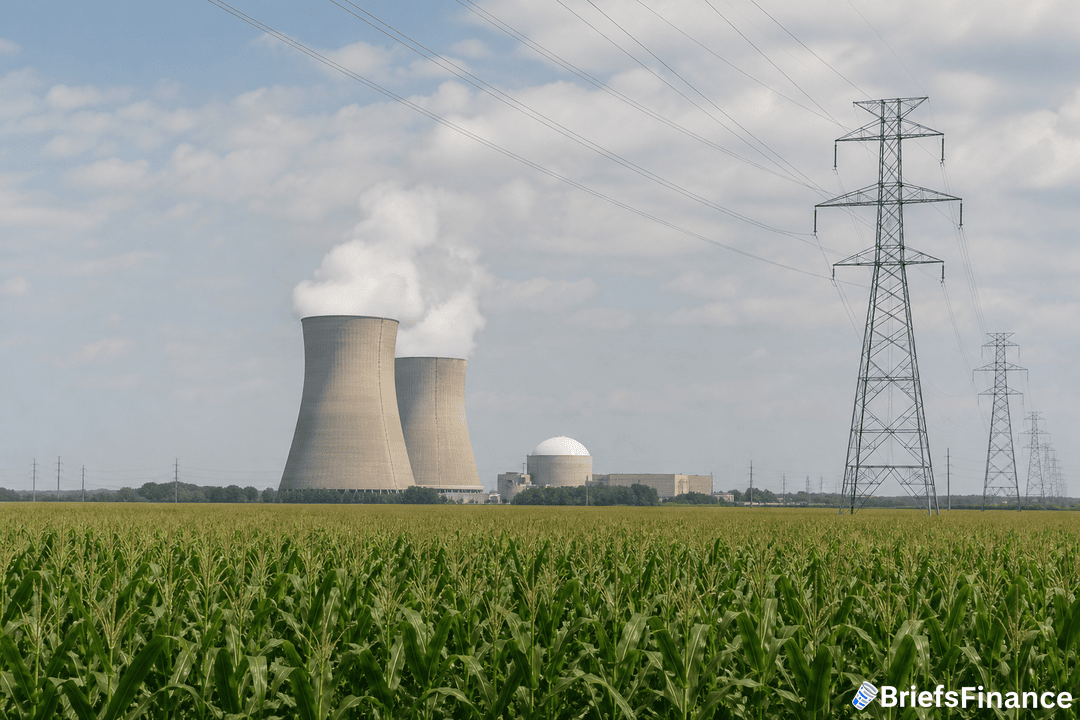
What the proposal would look like
AEP and Amazon are jointly assessing whether to build a 960-megawatt nuclear facility at a former AEP coal plant in Sullivan County, Indiana. The concept leans on a dozen small reactors from X-Energy Inc., each designed for 80 megawatts of capacity.
If the Indiana venture moves forward, it would stand as the third project in the queue to deploy X-Energy's technology. None of those projects are under construction yet, and the design still needs federal approval. If built, Amazon would purchase the power produced by the plant. The companies announced the evaluation on Monday and did not disclose terms.
Why tech and utilities are eyeing nuclear
Data centers need steady electricity, and nuclear can run around the clock without carbon emissions. That is pulling tech companies toward reactors despite steep costs and long build times, especially with no traditional large-scale nuclear plants currently under construction in the US.
Amazon, which has pledged to neutralize or offset its entire carbon footprint by 2040, is fueling a major data center buildout largely with natural gas plants while also pursuing nuclear as a carbon-free alternative for the longer term. The company is also an investor in X-Energy and is working with Energy Northwest on a Washington state project that could include as many as 12 of these reactors. Separately, Dow plans to install four X-Energy units at a Texas chemical plant.
When energy and tech plans evolve, staying informed matters; sign up for the free Market Briefs newsletter for five-minute updates.
Timing, scale, and the investor angle
AEP and Amazon expect to decide on the Indiana project by late 2029, a timeline AEP says lines up with accelerating power needs in its service area. Shane Lies, AEP's president of nuclear development, said the Ohio-based utility had about 30 gigawatts in available capacity last year and must add another 63 gigawatts by 2030, with more to come afterward. "We expect that level of growth to continue beyond 2030," Lies said in an interview. "We need to bring generation online to meet this unprecedented growth."
In plain English: about one gigawatt matches the output of a conventional nuclear unit, which puts AEP's capacity gap into perspective and explains why next-gen reactors are on the table. For portfolios, the takeaway is clear: utilities and cloud giants are hunting for reliable, zero-carbon power, but the bets involve unproven technology and long lead times that can shift when returns show up.
As projects and regulations change over time, get clear context in the free Market Briefs straight to your inbox each morning.