What just happened
Malaysia's top growers say October is shaping up to be the biggest production month ever. The strength follows an all-time monthly high in September, when output jumped 16% from August to 2.12 million tons, lifting nationwide inventories 25% to 3.51 million tons. Last October's mark for the month was 2.04 million tons.
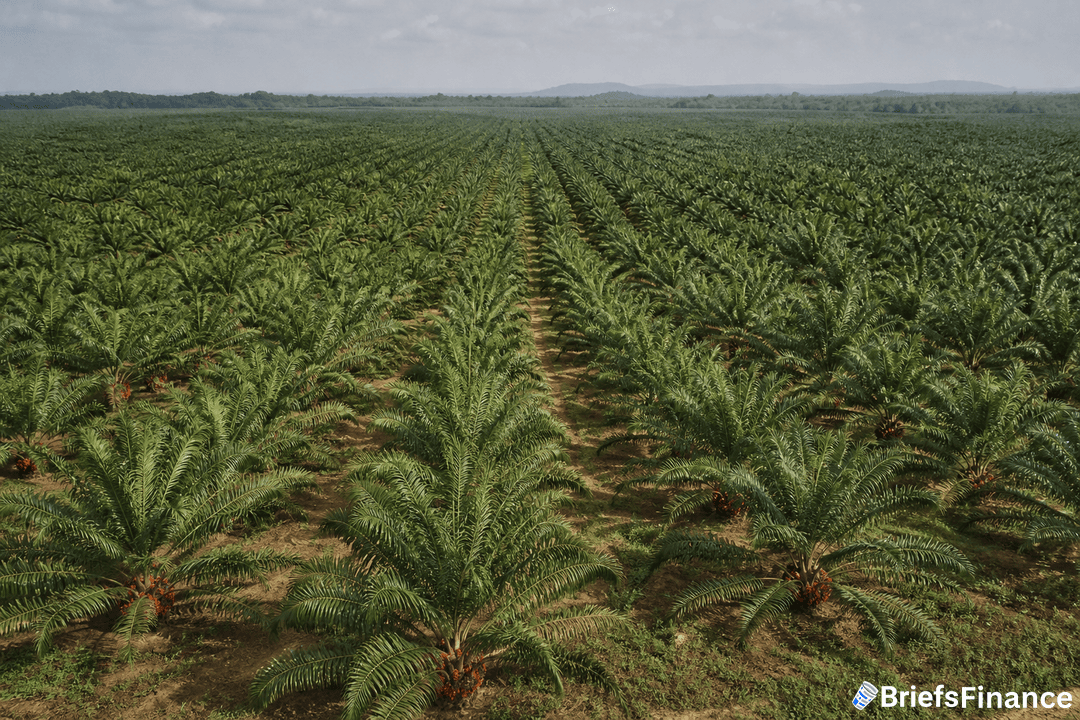
Roslin Azmy Hassan, who heads the Malaysian Palm Oil Association, expects 2026 production to match or exceed the prior full-year record of 20.28 million tons set in 2025. He tied the recent lift in supply to replanted areas maturing since June, with younger palms yielding more fruit. As he put it, "The better planting material bears more fruit compared with the material used 25 years ago."
He added that after an October peak, output may taper in November and December, then run into tighter conditions in 2027 due to a lingering labor shortfall and the delayed hit from El Niño.
Why prices and stocks moved
Palm oil is up 18% in 2026 even as Malaysia - the world's No. 2 grower - has seen inventories climb to a record. Prices have been propelled by pricier global energy linked to conflict in the Middle East, Indonesia expanding its biodiesel mandate, and expectations that El Niño will curb production ahead. Benchmark futures touched 5,049 ringgit in mid September, the highest intraday level since December 2024. On Monday in Kuala Lumpur, prices briefly climbed 1.1% to 4,821 ringgit per ton before easing to 4,779 ringgit as of 4:15 p.m. local time.
The supply surge since June has been helped by replanted, higher yielding estates coming into their stride, which has padded both output and stockpiles even as prices climbed. Palm oil remains a staple ingredient in foods and biofuels, so both energy markets and biofuel policy feed into demand.
When market signals keep changing, stay steady with our free Market Briefs newsletter that sums it up in five minutes
The risk ahead
Roslin warned that today's big harvest is masking structural strain. Malaysia is short roughly 18,000 harvesters, which could leave about 8.6 million tons of fresh fruit bunches on the trees and translate into around 8 billion ringgit in lost revenue, or $1.96 billion. Planters have been pulling staff from maintenance to keep harvesting going, but that quick fix disrupts essentials like fertilizer application and general upkeep.
The workforce gap has been hard to close. Plantations lean heavily on foreign labor, and rebuilding headcount after pandemic border curbs has been held back by quotas and tighter controls. That labor issue could combine with the delayed effects of El Niño to hit output next year, with the weather impact expected to show up more clearly in the second half of 2027. "If you don't bring in new workers next year, then you'll see the impact on production," Roslin said.
What this means for your portfolio
Near term, Malaysia's bumper crop supports higher inventories alongside firm prices. Looking out, the setup shifts: costs have climbed over recent years to roughly 2,600 to 3,000 ringgit per ton, and with a planned minimum wage hike next year, plantation margins face additional pressure, which may prompt companies to pare back other expenditures. Add in the potential 2027 supply drag from a thinner workforce and a lagged El Niño, and price volatility stays on the table for palm oil and related consumer goods and biofuel plays.
Across crops, commodities and policy, get a clear daily snapshot by signing up for the free Market Briefs