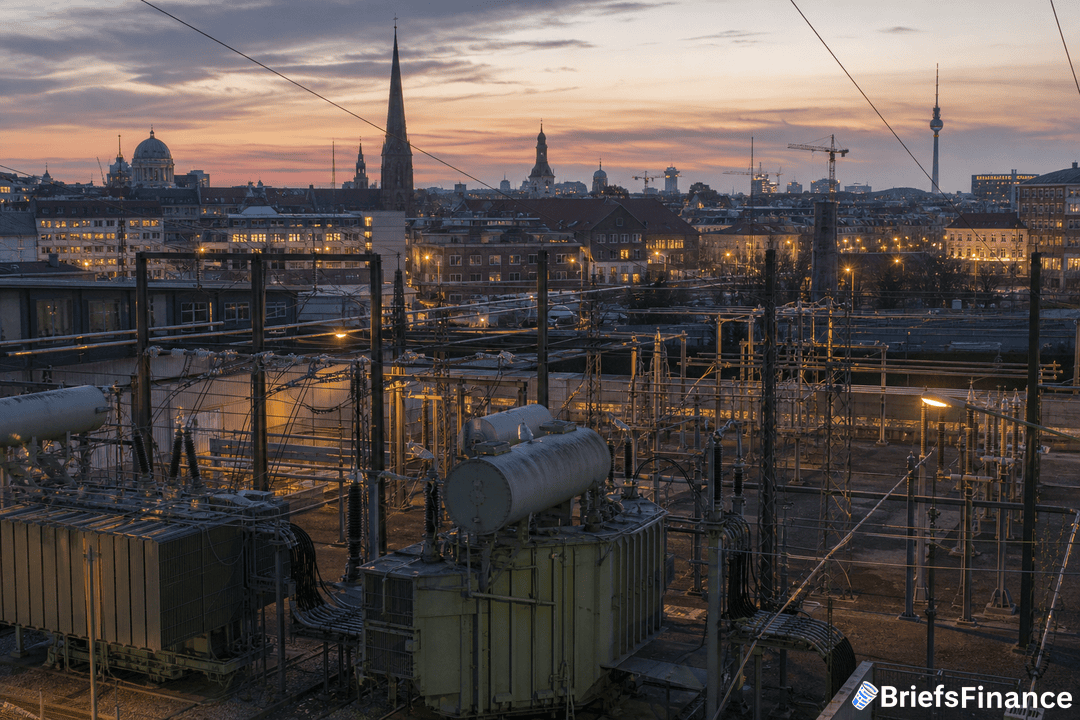
A trend shift that shows up across Europe
EU power demand fell about 9% over the 15 years through 2023, but the decline is giving way to growth. BloombergNEF's weather-adjusted read through August found electricity consumption rising in a majority of the past year's months in big markets including Germany, Italy and Spain.
That pattern lines up with Ember's EU view: September was the 13th month in a row of year over year demand gains, the longest run since at least 2018. Adjusting for weather matters because heat waves and cold snaps can swing usage, and Europe's hot summer lifted cooling demand.
What is pulling more power
The drivers that cut demand still matter, from weaker industrial activity to high prices and efficiency gains. Even so, new plugs are being added. Homes and businesses are drawing more from the grid for electric cars, air conditioning and data centers, with markets that have cheap, low carbon power such as Finland and Spain positioned for a data center buildout, according to BNEF.
"There are new sources of demand coming through," said BNEF analyst Arhnue Tan.
When energy trends intersect with markets, staying informed matters, so sign up for the free Market Briefs newsletter for a short daily digest
In the near term, Kingsmill Bond of Ember, where he is an energy strategist, said that air conditioning, expanding industry and EVs are lifting consumption to differing extents across countries. He also noted the Iran war has pushed countries and companies to question the staying power of imported energy, nudging more electrification. "Most of the world doesn't have a lot of oil and gas," he said. "People are getting more and more nervous about chaos."
Grids, renewables and the near-term risk list
Europe faces an urgent need to build out power networks that already struggle to keep pace with new wind and solar. Rising consumption can add stress when there is too little wind or sun, or when transmission is not in place to move clean power to where it is needed.
If usage keeps climbing, it can also underpin investment in additional wind and solar projects, with construction and jobs attached. BNEF expects data centers to become a heavier electricity user, with European capacity projected to roughly double, exceeding 30 gigawatts by 2032 and approaching about 39 gigawatts by 2035. These topics, plus energy security and grid issues, will feature at the BNEF Summit, held in London on Monday and Tuesday; the gathering brings together hundreds of leaders from energy to technology.
The bottom line for investors
This looks like a structural turn toward higher electricity demand as energy use shifts away from oil and natural gas. The European Central Bank recently nudged up its GDP outlook to 0.9% growth this year and 1.4% in 2027, which can also support power consumption. Working in the opposite direction, benchmark European gas futures are now at their highest level since 2022, as the Iran war disrupts Persian Gulf exports, which accounted for roughly one fifth of global supply last year. With winter gas inventories seasonally low, power prices and demand remain sensitive to further spikes when heating needs rise.
Because small shifts can reshape planning across portfolios, subscribe to Market Briefs for a clear brief daily snapshot of markets and the economy