What the company filed
Acciaierie d'Italia, which took over from Ilva, outlined a plan to expand furloughs to as many as 8,622 employees, equal to 90% of its 9,626-person workforce, running until Feb. 28. The proposal would lift the tally from today's 4,450 and is subject to talks with unions and the Labor Ministry.
Keeping the plants secure, compliant with environmental rules, and administratively supported would require 1,004 people to keep working. By location, the plan would place up to 6,964 of 7,875 employees at Taranto on furlough, plus 870 of 917 at Genoa and 515 of 542 at Novi Ligure, with the remaining headcount distributed among other sites. A company representative declined to comment. The document cites the need to cut costs and size staffing to the capacity available while a buyer is being sought.
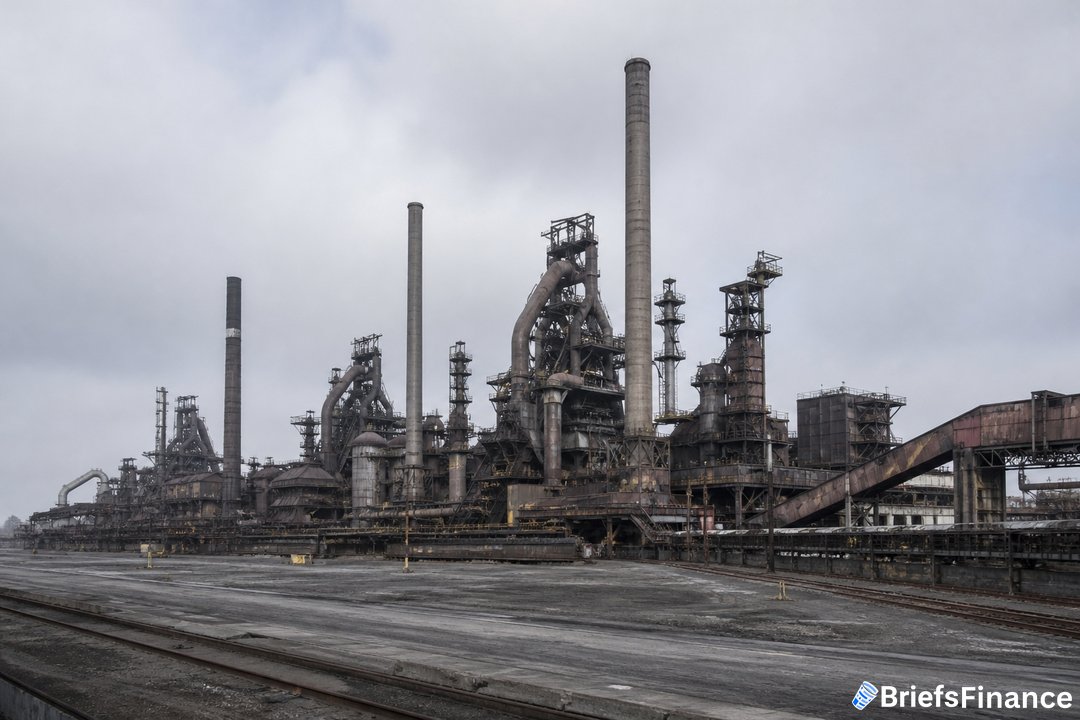
Why production stopped and where things stand
On Oct. 5, an appeals panel in Milan turned down a second bid to put on hold the order to suspend hot-production operations at Taranto, historically one of Europe's largest steelworks. The hot area stopped producing on Oct. 9, and one blast furnace has been held in reserve pending the Supreme Court's decision. Without a favorable decision, that unit would need to be shut by month end.
The knock on for downstream operations
Government-appointed administrators, who are running the company during the sale process, warned the halt at Taranto will ripple into processing sites that depend on its semi-finished supply. The affected facilities include Genoa and Novi Ligure, which turn Taranto steel into flat-rolled products like cold rolled and coated sheet used in appliances, autos and construction. Without steady feedstock from Taranto, those lines cannot run at normal rates.
When the economy and markets feel uncertain, sign up for the free Market Briefs newsletter to stay clear
Politics, money and the long fight over Taranto
Control has moved from special administration to private hands under ArcelorMittal SA, then back to state-led oversight. The company entered extraordinary administration in 2024 while a buyer is being sought.
On Friday, Prime Minister Giorgia Meloni stated that the government would "do everything we can" to tackle the crisis, and added, "We are not the ones who closed Ilva." She noted the state has put in €5 billion, equal to $5.6 billion, through direct support and via state-owned Invitalia SpA.
What it means for investors
In plain English: fewer hot-end tons from Taranto likely means tighter flows of finished flat steel from Genoa and Novi Ligure until supply resumes. That can filter into appliance, auto and construction chains in Italy. Keep an eye on names with exposure to Italian flat products and on any moves around a sale process or court timing, which could reset production plans and pricing risk.
For a concise, friendly update that cuts through market complexity, subscribe to Market Briefs for free each morning