Energy is showing up on receipts
Oil's run-up, helped by overseas conflicts, is starting to show in what consumers pay. Fresh data this week flagged big gains in categories that burn fuel: airline fares were about 22% above their year-ago level, and delivery services rose at their fastest annual pace since September 2022. On the wholesale side, the index tracking truck freight charges was more than 19% higher than a year earlier in September, the steepest increase in over four years.
The broader inflation gauges moved too. The CPI for September advanced at its quickest monthly rate in five months, while the PPI notched its biggest increase in more than four years. An index tracking margins in wholesale and retail trade services jumped 1.4% last month, suggesting pricing power is firming as costs climb.
What companies and the Fed are seeing
Some firms are pushing through higher input costs. RPM International Inc., the company behind Rust-Oleum and other coatings, said it fully offset inflation in its fiscal first quarter and expects to do the same in the second. Chairman and CEO Frank Sullivan said this month, "We were not planning additional price increases in the spring and that changed pretty dramatically because of geopolitical events." He pointed to oil and energy moving through supply chains, alongside demand that "still isn't real robust."
The Fed's Beige Book echoed those anecdotes. "Higher oil prices permeated all district reports," it noted, adding that elevated diesel costs and fuel surcharges were being passed along throughout supply chains.
When prices and costs shift, staying informed can ease uncertainty, so sign up for the free Market Briefs newsletter today
Food prices: calm now, pressure building upstream
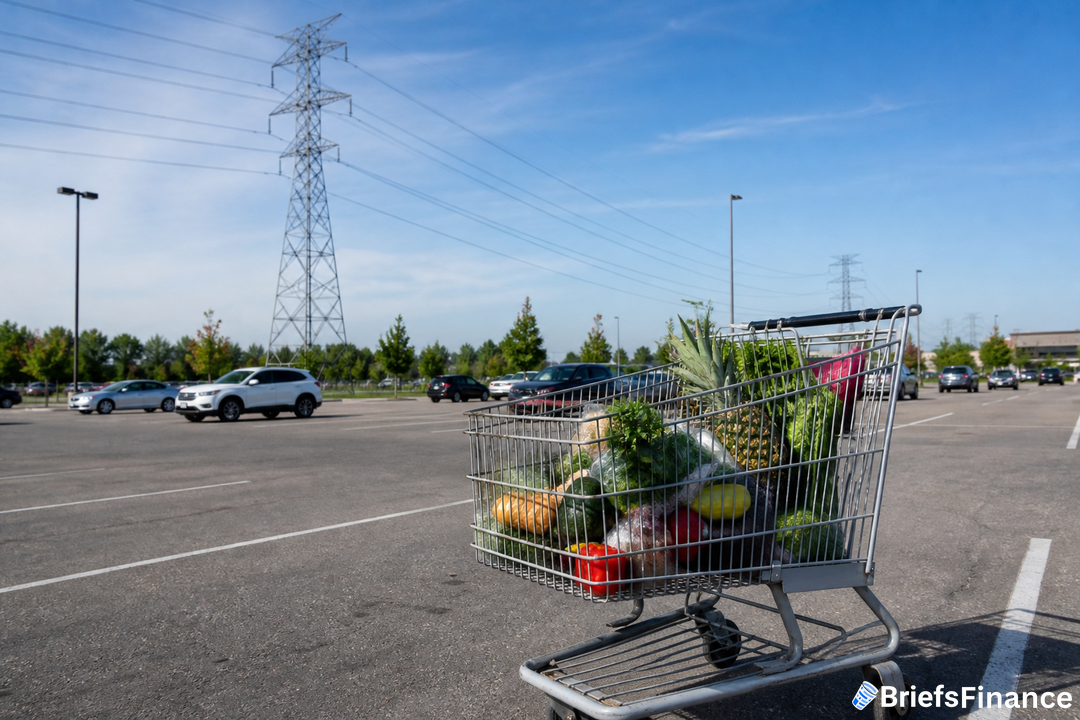
Supermarket prices have been the exception so far. In September, grocery prices in the CPI edged lower, helped by cheaper beef, pork and eggs. Up the supply chain, though, PPI showed food prices rose 1.2% last month. Prepared animal feed jumped 2.3% from August, the biggest monthly gain since early 2022, and was 6.6% above its level in September 2025.
Economists are watching that gap. At Santander US Capital Markets, chief economist Stephen Stanley says grocery inflation has been running below trend but is likely to accelerate. Veronica Clark at Citigroup sees minimal broad energy pass-through into goods so far, pointing out that categories such as household furniture and appliances have been flat or declining. Other dynamics are evident: surging demand for the computer chips and building materials required for data centers appears in both CPI and PPI.
Rates, the road ahead, and your portfolio
Speaking at the IMF meetings in Bangkok, Fed Chairman Kevin Warsh affirmed the view that rates will stay on hold this month, saying, "I don't believe in saying now what I might do at the meetings that we have in the balance of this year,". Even so, this week's inflation data bolstered arguments for additional rate increases in December and continuing into next year.
Citi expects the next couple of CPI releases to come in relatively subdued on a month-over-month basis, which, together with muted wage gains and a cooler labor market, could make it easier for the Fed to look past the latest energy surge. The bottom line: keep an eye on sectors with heavy fuel exposure and on pricing power indicators like trade margins. That is where inflation risks and potential earnings pressure in your portfolio are most likely to show up.
Markets can surprise anyone, and our free Market Briefs will give you a clear daily summary in minutes