What Happened
Ukraine is now going after Russian digital infrastructure, claiming strikes on two Yandex data centers over the last two days. That came after Russian strikes on multiple key data centers in Kyiv, an effort to squeeze civilians and interrupt communications before an expectedly difficult winter following hits on energy infrastructure.
Moscow has intensified hits on energy and other critical assets, including power generation and transmission, railways, bridges, ports and transport hubs. This week saw fresh power cuts and cell service disruptions throughout Kyiv and several other regions, with casualties reaching dozens killed and hundreds wounded nationwide.
Inside the Yandex Hits
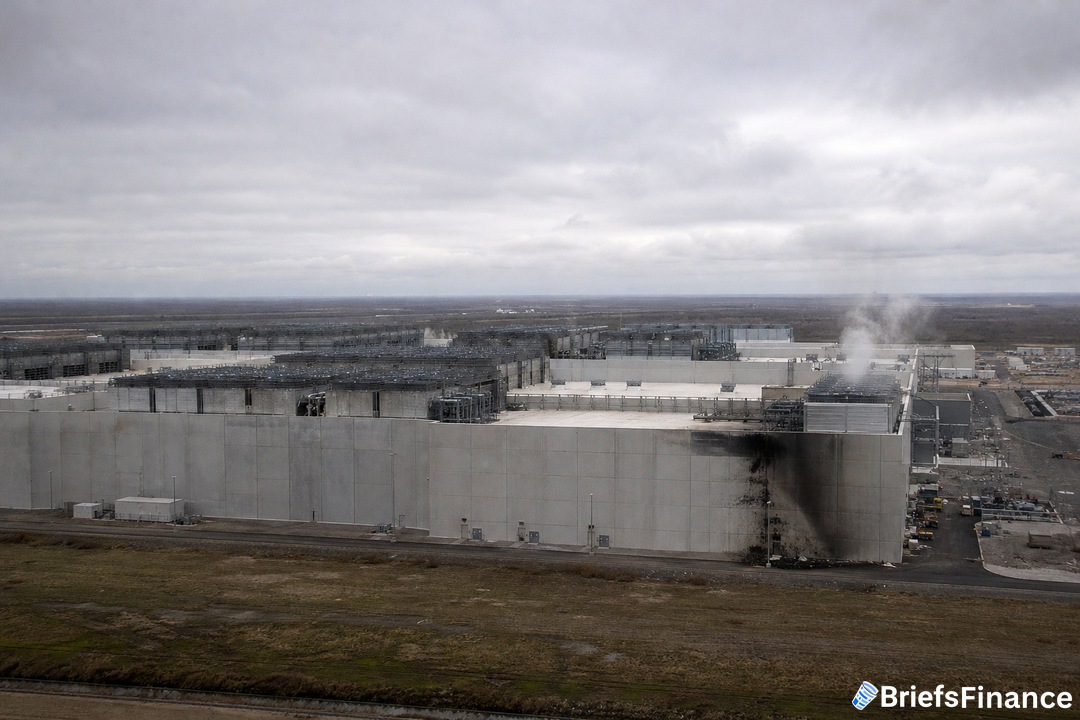
Yandex, Russia's biggest tech firm, reported a drone strike Friday morning that damaged its data center in Kaluga, roughly 150 kilometers, or 95 miles, southwest of Moscow. Part of its infrastructure is currently unavailable. The Kaluga facility is one of the company's largest, supporting internal systems as well as Yandex Cloud.
The company also said the facility in Sasovo, in the Ryazan region, went offline after being "seriously" damaged during the night of Oct. 7-8. In operation since 2014, Sasovo houses two of Yandex's three supercomputers used to train neural networks. Calling its data centers the company's "iron heart," Yandex said it is still assessing damage and cannot yet provide repair timelines.
Ukrainian President Volodymyr Zelenskyy posted on X Friday, "We continue to respond to Russia for its strikes on Ukraine, and we do so with high precision." He added, "Another data center was hit as well - our symmetrical response."
Attacks on digital infrastructure are becoming a standard feature of conflict. Market Briefs covers that shift free every weekday.
A Wider Infrastructure Fight
Ukraine has kept up long-range strikes on oil refineries and other infrastructure inside Russia. The pattern echoes summer attacks on warehouse networks run by online marketplaces like Wildberries and Ozon, which followed Russian strikes on warehouses belonging to major Ukrainian logistics companies, including private delivery firm Nova Poshta and Rozetka, which is the country's largest online retailer.
Since July, cross-border strikes have nearly stopped vessel traffic in parts of the Black Sea, reducing exports of grain and other commodities.
On service impacts, local media reported that the company's main consumers were only moderately affected on Thursday. Conditions were more difficult for certain Yandex Cloud clients whose resources sat inside the impacted area. Outages hit Cian's website and app, the Russian property-listing company said, while some property developers, retailers and electronic document management providers experienced issues as well.
What It Means for Your Portfolio
Data centers have become fair game, and that puts real pressure on anyone leaning on cloud services. Yandex's empire spans search, ride hailing, e-commerce, cloud and AI, all of which depend on these facilities. The company was founded by billionaire Arkady Volozh, who in 2024 condemned the war and exited its Russian operations in a Kremlin-controlled deal. That step enabled the Dutch-registered parent, now named Nebius Group, to completely exit Russia.
For regular investors and operators alike, when core compute hubs sputter, you see the ripple effects fast: uptime risk, vendor concentration, and business continuity all get stress tested. If the iron heart stalls, everyone tied to it feels the jolt.
Data centers are now strategic targets, not just business assets. Join Market Briefs free and follow it.