What changed in the strait
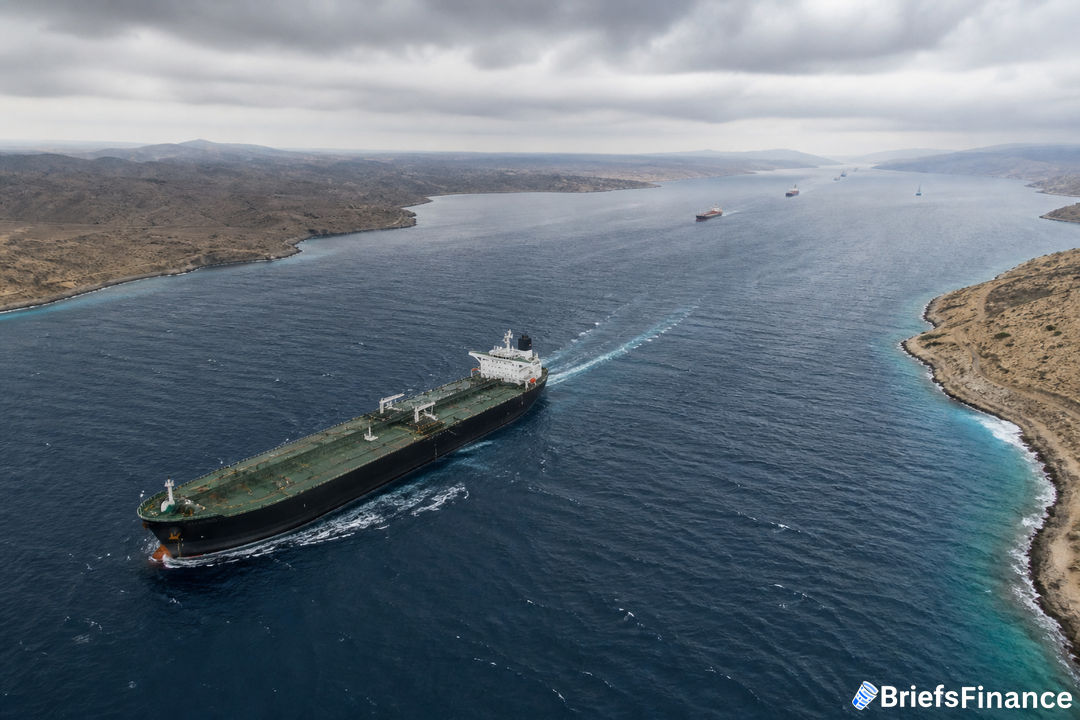
Iran has intensified strikes on vessels moving through the Strait of Hormuz, the Persian Gulf and off Oman. A U.S.-aligned maritime coordination group reports that close to 20 commercial ships have been hit in the last month, most of them tankers. In the third quarter, Iran went after roughly two in every hundred vessels moving through the strait, said Michelle Wiese Bockmann, a senior maritime intelligence analyst with Windward, the firm that counsels governments and defense agencies on shipping risk.
Oil is getting through largely because the U.S. military is shepherding tankers along a southern corridor hugging Oman's coast. But with conditions still dangerous, the durability of this rebound is uncertain without either a negotiated deal or Tehran backing down.
How the barrels are moving now
To limit danger, numerous tankers pass Hormuz and then transfer oil to additional vessels in the Gulf of Oman, which then ferry the barrels to Asia. That relay lowers a single vessel's risk but ups the ship count needed to move the same volume.
Kpler, a firm that monitors tanker movements and global trade, says flows swing day by day, sometimes reaching or topping prewar levels and other times slipping below. In the week through Saturday, flows ran at roughly 10.3 million barrels a day - approximately 23% beneath the prewar baseline of 13.5 million. Windward estimates current crude flows through Hormuz at 9 to 10 million barrels a day versus about 14.5 million before the conflict. Even so, analysts point out that volumes exceed levels seen earlier in the war, after the U.S. set up the corridor along Oman's shoreline.
Attacks on tankers reprice oil within hours and fuel within weeks. Market Briefs tracks the energy chain free every morning.
The human and financial toll
The risks are steep. At least nine sailors have died since July, 18 have been wounded, and the International Maritime Organization says three are still unaccounted for. "Volumes are getting through but they're getting through at a time of extremely high maritime risk," Bockmann said. Freight and insurance bills have soared; moving a crude carrier from the Persian Gulf to China has climbed to $1 million per day per ship as security worsened.
"Oil flows have recovered because the market participants have accepted greater operational complexity and higher costs." That assessment came from Richard Meade, the editor in chief of Lloyd's List. Brent remains near $100 a barrel even with more crude getting out of Hormuz.
Why prices are still tight
Bob McNally, who is president of Rapidan Energy and previously served as an energy adviser to President George W. Bush, said policymakers in Washington do not see the present arrangement as financially sustainable, citing the U.S. military shield, ship-to-ship transfers and pricier tanker rates. He also argued prices would be lower if the market believed this configuration could last, and noted they are elevated because delivering, insuring and landing crude in key consuming regions remains expensive. McNally said safe passage in Hormuz still has not been restored and that Tehran continues to claim control over the strait.
The danger remains very real. On Monday, Iran's Revolutionary Guard called out to a tanker transiting the strait and told it to turn back or face attack, the United Kingdom Maritime Trade Operations Centre reported. The ship complied.
What it means for your money
This recovery is balancing on three legs: heavy U.S. naval protection, a complex tanker relay system, and higher shipping and insurance bills. If even one of those wobbles, supply could slip again. That mix helps explain why prices are hovering near $100 and why anything moving through Hormuz is likely to stay costly and jittery for a while.
Risk around Hormuz touches almost everything that moves by sea. Get the free Market Briefs daily newsletter and follow the route.