What is on the block and why it matters
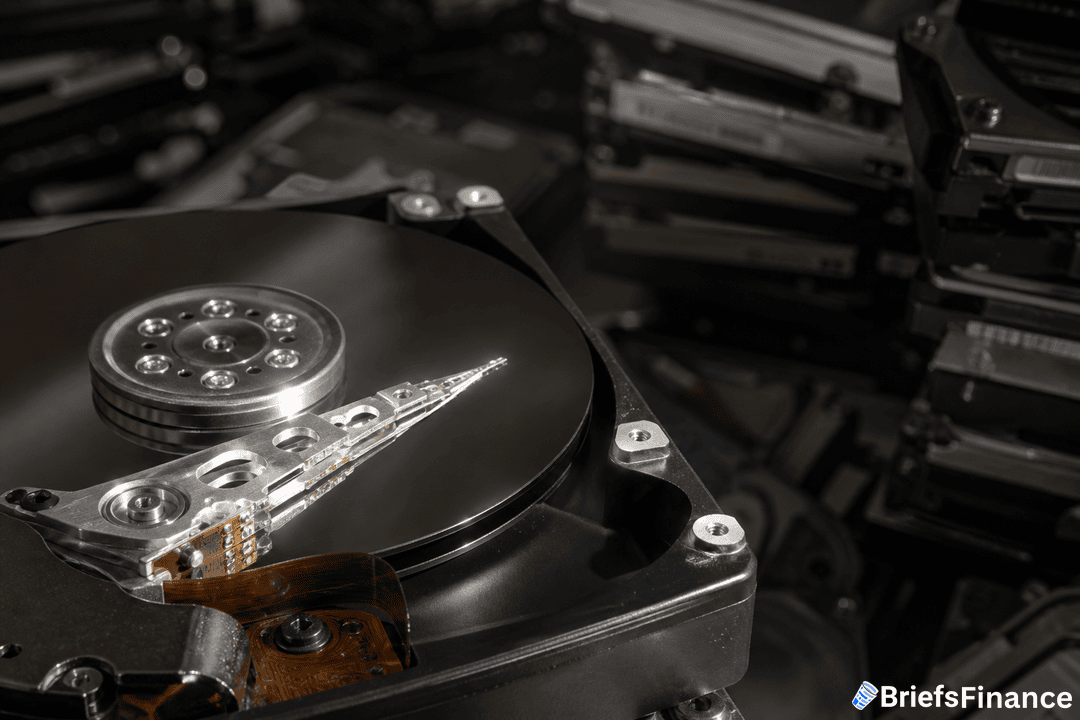
TDK is weighing a sale of its hard-disk-drive magnetic-head unit, a business that has long swung with the market and demanded steady reinvestment to keep up with recording advances. It is the only independent supplier of HDD magnetic-recording heads - the tiny part that writes and reads data on spinning disks - and counts Seagate, Toshiba and Western Digital as customers. In a market largely dominated by three players, whoever buys TDK's head unit would take control of a critical chokepoint that has helped preserve competition among drive makers.
How the bidding unfolded
People familiar with the talks say Toshiba opened discussions in the spring, and Seagate later came in with a higher summer bid. They put the potential value at several billion dollars. The process is confidential, they said.
Representatives for Seagate and TDK declined to comment. Toshiba did not provide a comment right away when asked.
Any deal would likely draw antitrust scrutiny as policymakers view data-center storage capacity as part of economic security. By TrendForce's count, Seagate and Western Digital each account for about 45% of HDD supply by bits, while Toshiba holds roughly 10%.
Bidding wars reveal what incumbents think a shrinking business is still worth. Market Briefs covers these deals free every morning.
What the buyers want
AI is driving a surge in long-term, low-cost storage needs, lifting hard-drive sales and raising the stakes for head supply. Seagate and Western Digital manufacture some heads internally but lean on TDK when demand jumps. Toshiba, which depends solely on TDK for heads, must tap TDK's expertise to scale manufacturing of high-capacity heat-assisted magnetic recording drives - a crucial move to narrow the distance to larger rivals.
TDK has benefited from broader AI hardware momentum, but the head unit's volatility and thin margins have pushed the company to prioritize other areas. It has been shifting resources to batteries, passive components and sensors with an eye on AI-enabled wearables such as smart glasses. Offloading the HDD head unit now would probably bring in ample cash to speed up those bets.
What happens next
Executives from Seagate, Toshiba and TDK met in Tokyo last week to discuss ensuring ongoing supply of heads, including a potential joint venture, according to people familiar with the conversations. The talks are early and could still fall apart. At the same time, both bidders want to ensure they don't forfeit the ability to buy heads from a standalone supplier if they come up short. The winner would likely gain more sway over pricing and could make it harder for competitors to ramp output.
For your money, the takeaway is simple: control over a scarce, must-have component can shift margins and bargaining power across the storage stack, from drive makers to data center operators. If you own anything tied to the HDD ecosystem, the eventual outcome here could influence who grows faster and who pays more to keep up.
Storage consolidation reshapes the cost of every data center built next. Get the free Market Briefs daily newsletter and track it.