Why MET's chief is sounding the alarm
"A lot of long-term LNG supply globally goes to Asia, while Europe is still more spot-driven, and you can question how smart that is," Chief Executive Officer Huibert Vigeveno said. "Having more long-term contracts in Europe would certainly have helped this year." The backdrop: benchmark European gas has more than doubled in 2024, with conflict in the Middle East effectively sidelining around a fifth of global LNG, and Asian buyers are grabbing more flexible spot cargoes heading into winter.
How Europe got here
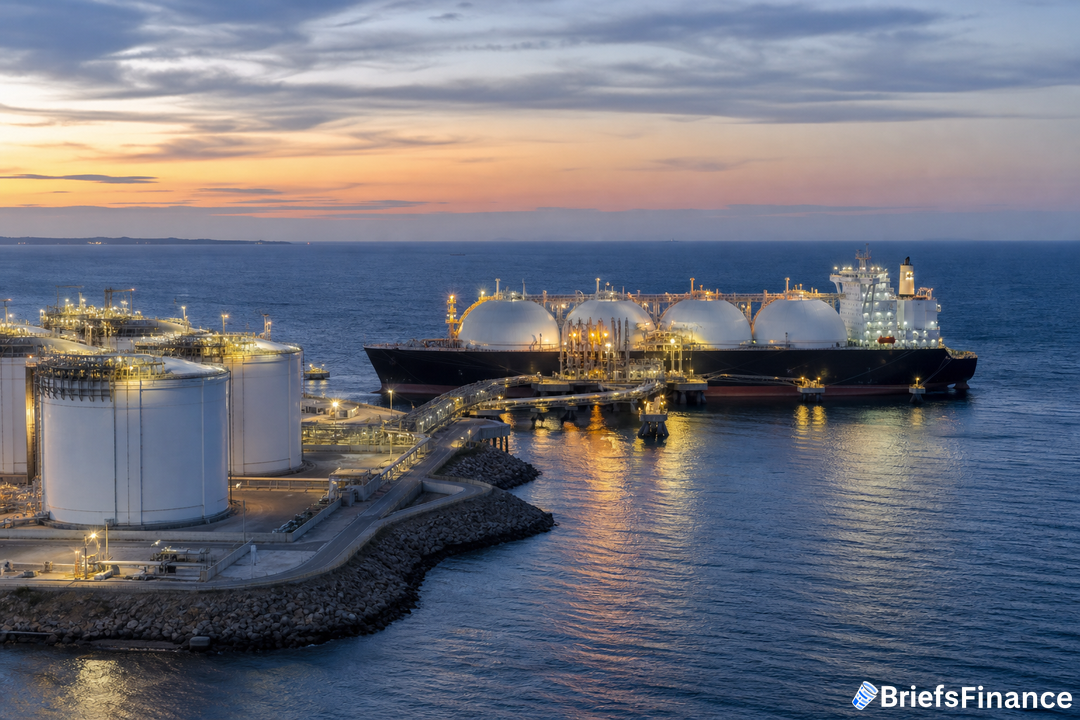
After most Russian pipeline volumes fell away in 2022, Europe leaned harder on LNG arriving by ship. Utilities have stayed reluctant to ink decade-style commitments, opting for shorter and more flexible deals given expectations for lower demand and stricter climate targets. Among major importers, the EU is notably exposed to the spot market: roughly 30% of its 2024 LNG was purchased on a spot basis, with a similarly elevated share in 2023, ACER data show.
The global tug of war for cargoes
Asian customers are stepping up purchases of flexible spot shipments, tightening the contest with Europe for winter supply. As ties with Washington cooled, Europe stepped away from new contract signings with the US - currently the leading exporter of LNG - while Brussels simultaneously warned against excessive dependence on American supply. In contrast, with the conflict in Iran continuing, Asian LNG buyers are accelerating negotiations to lock in additional US volumes. Prices have come off this year's high from earlier this month as traders watch fresh diplomatic efforts to shore up Middle East energy flows, but the Strait of Hormuz remains a wild card.
MET's next moves and the winter risk
"Even if Hormuz reopens, it will take at least three months for exports to ramp-up," Vigeveno said, warning that prices could climb again. He laid out scenarios: "Earlier this year, we had expected European gas around €50 a megawatt-hour in winter if the Strait of Hormuz were to reopen in May, at €70 if that was July," and "Now we could probably go up to €100 if Hormuz doesn't reopen by the end of the winter, and that's just supply-demand fundamentals." Meanwhile, MET is looking to grow and is exploring potential transactions in northwest Europe. "We have strong positions in central, eastern and southern Europe, but we would be interested to increase participation either organically or inorganically in Germany and other countries in Northwest Europe, in gas, LNG, power, and renewables," he said. He added that the US is another priority for MET, noting the company buys substantial LNG there and is weighing a local office.
Energy headlines can unsettle people, but steady strategies help protect your savings. Join Briefs Finance CEO Jaspreet Singh on September 29th for a FREE live investor workshop, How to Profit From A Dollar That's Losing its Value, where he shows how we're spotting investment opportunities as the dollar falls. Save your spot.
For your own bill, the takeaway is simple: if Europe stays heavy on spot buying and Hormuz stays uncertain, winter gas prices can get jumpy. Long-term deals shift who bears the risk, and that can ripple down to household energy costs.
Building a thoughtful plan today keeps your finances resilient through changing times. Our CEO Jaspreet Singh is hosting a FREE live investor workshop, How to Profit From A Dollar That's Losing its Value, on September 29th. Sign up free to join him live.