Prices pop on fresh Mideast risks
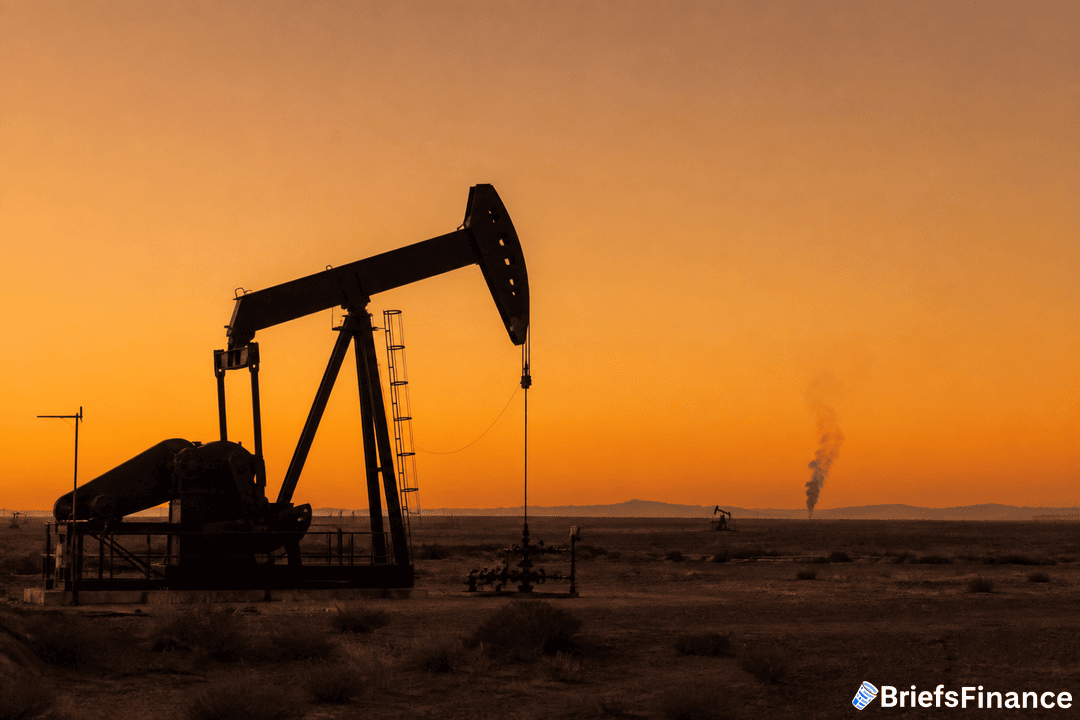
Oil rallied as conflict risk flared. International benchmark Brent added 4.5% to $94.52 a barrel, while U.S. West Texas Intermediate jumped about 5% to $90.03, a level WTI had not touched since July 24. For context, ICE Brent Crude (Nov'26) last showed 95.06, up 4.57, or 5.05%, at 8:41 PM BST. Traders are reacting to renewed hostilities that have pushed Brent back above $90.
What happened on the ground and at sea
On Tuesday, U.S. Central Command said U.S. forces "began striking Islamic Revolutionary Guard Corps (IRGC) targets in Iran," framing the action as retaliation for recent IRGC efforts targeting American troops in the region and vessels engaged in trade transiting the Strait of Hormuz. A day earlier, a tanker transiting Hormuz was hit by three unidentified projectiles while sailing in the southern traffic lane near Oman's coast, according to the U.K. Maritime Trade Operations Centre, which reported no injuries.
The timeline is tight. Iran answered on Monday with strikes on two American bases in Jordan, framing the action as payback for the Larak operation. Larak, a small island inside the Strait of Hormuz, is a key node for Iran's military and maritime oversight, helping it manage ship movements through one of the world's most important energy corridors.
Signals from Washington and Tehran
This is the first time in more than a month that the U.S. and Iran have traded blows, and neither appears eager for a wider war even as both warn they will hit back if provoked. "We are going to hit them hard," President Donald Trump told Fox News on Monday, adding "there will be a response" to attacks on U.S. bases. Speaking from the Oval Office the same day, he said, "It doesn't mean we won't smack them to see what happens."
At the Shanghai Cooperation Organisation Summit on Tuesday, Iranian President Masoud Pezeshkian said Tehran would respond at once if Washington came back into compliance with the interim deal finalized in June, the Iranian Student News Agency reported.
Understanding what moved a market beats knowing that it moved. Get the free Market Briefs daily newsletter and follow the drivers.
Pressure is also mounting economically. Washington has tightened the screws with so‑called secondary sanctions that penalize buyers of Iranian crude. U.S. Treasury Secretary Scott Bessent said Monday, speaking on the sidelines of the finance ministers' gathering for the Group of 20, that Iran was "lashing out kinetically" because the new measures are biting.
How experts read the strategy and what it means for you
Analysts see the Larak strike as a move to shake loose a stalemate rather than a change in the U.S. playbook. "By hitting the launchers rather than broader Iranian military infrastructure, the U.S. appears to be punishing a specific behaviour rather than, at least for now, broadening its war aims," said Ali Vaez of the International Crisis Group. Jason Brodsky of United Against Nuclear Iran said "It is enforcing the blockade," contending the Trump administration intends to further curtail Iran's capacity to lay mines in the Strait of Hormuz even as it relies on economic levers with the midterm elections approaching. He also called the broader conflict "fundamentally an endurance contest," and warned Iran could answer more aggressively as the squeeze intensifies.
The war, now seven months in, has already pinched energy flows and rattled markets. With Brent back above $90 and WTI pushing higher, you are likely to feel it at the pump and in any slice of your budget tied to fuel and freight. Higher crude can ripple into airlines, shippers, chemical makers, and even rates-sensitive parts of the economy. Watching where oil settles from here helps frame how broad those ripples might run.