The White House is reaching for a quick fix for high beef prices, and it has the cattle industry seeing red. President Trump announced a temporary plan to let up to 300,000 metric tons of beef into the country without the usual penalty tariffs, aiming to push grocery prices down by 25%.
Why Beef Got So Expensive in the First Place
The short answer is there aren't enough cows. The U.S. cattle herd has been shrinking for years after drought forced ranchers to sell off animals they could not afford to feed. The herd is now the smallest it has been since the 1950s, and beef prices have climbed sharply in 2026 as supplies tightened.
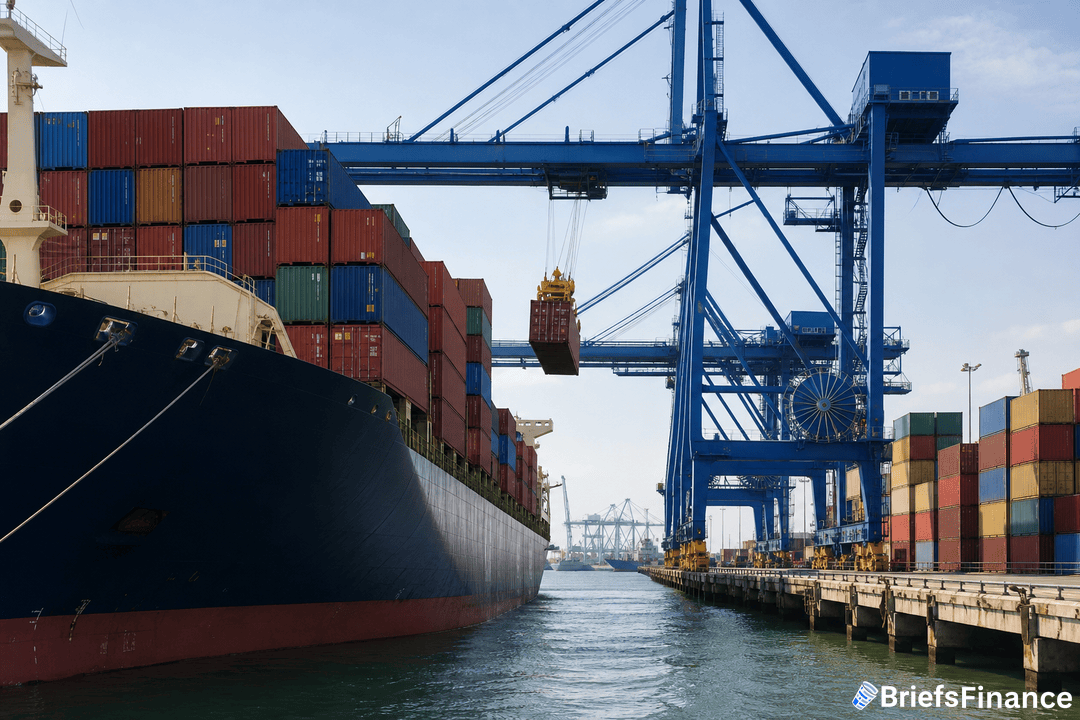
So the White House is looking overseas. The plan allows 12,000 containers of beef trimmings to enter under the lower quota rate for three months. That is a lot of meat, but PMI Foods President Darin Parker calls it a short-term fix for a long-term problem.
"Producers are facing heavy losses," Parker said. He argues the real solution is giving ranchers a reason to rebuild their herds, not just importing cheaper beef while the underlying shortage remains.
How the Tariff Math Works
Right now, beef that comes in within the quota pays just 4.4 cents per kilogram. Anything above that gets hit with a 26.4% tariff. For beef priced near $7 per kilogram, the gap in costs can exceed $1.80 per kilogram in savings.
As grocery beef prices could fall, grab the free Always Be Buying E-Book to build wealth steadily
Importers have agreed to pass those savings along to shoppers. But the industry is split on whether this actually helps anyone.
Altin Kalo, lead economist at Steiner Consulting Group, points out the tariff was never really the problem. Imported beef was already coming in at record volumes, discount or not. So this move may not change much for consumers, even if it changes the political conversation.
Ranchers Say the Plan Hurts Them
The backlash came fast. The National Cattlemen's Beef Association says cattle markets dropped the moment the news broke. CEO Colin Woodall said the move sacrifices long-term stability for short-term messaging, and that ranchers are the ones paying the price.
Two Republican senators who usually side with the White House are also pushing back. Montana's Tim Sheehy said he spent a year urging Trump to drop this idea, arguing it hurts ranchers who have already struggled against the big meatpackers. Nebraska's Deb Fischer said she was "extremely disappointed" and that cheaper groceries should not come at the expense of American producers.
What This Means for Your Grocery Bill
The cheaper imports are mostly beef trimmings that go into burgers and processed meat, not the premium steaks at the butcher counter. You might see some relief on ground beef. But economists say the effect will probably be modest and temporary because the real driver of high prices is the tiny herd, and that will take years to rebuild.
The bigger question is what happens next. Ranchers want long-term policies that help them expand their herds, not a short-term import flood that undercuts their prices. As Kalo put it, the old tariff was never the bottleneck.
Record amounts of beef were already coming in. So the real fix, if there is one, will have to come from the ground up, not the border.
Ranchers may fume, but your wallet can win with the free Always Be Buying E-Book