Saudi Arabia Adjusts Its Export Path
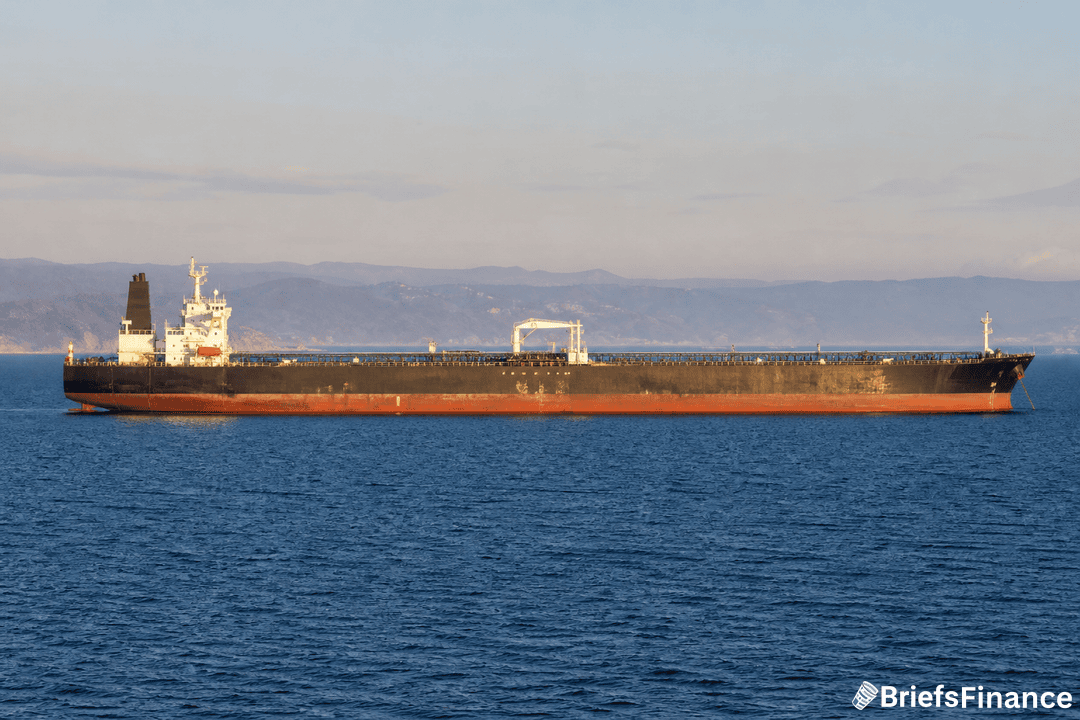
Saudi Arabia is quietly changing how it sells its oil. The kingdom is now offering crude from sea locations off Oman's coast, using transfers conducted directly between vessels at anchor points including Sohar in the Gulf of Oman.
The approach mirrors what several neighboring Gulf producers have already done to limit their exposure to the Red Sea. Saudi Aramco is now routing its heavier crude grades, which come from offshore fields inside the Persian Gulf, through this transfer method. That helps keep export volumes moving without requiring every vessel to pass through the Strait of Hormuz.
Ship-to-ship transfers have existed for years, but they are gaining attention as shippers look for ways to avoid dangerous chokepoints. Since Saudi Arabia is one of the world's largest oil exporters, any shift in how it delivers crude is closely watched by traders. Loading cargo at sea gives Aramco more flexibility: tankers can wait near Oman, just outside the Persian Gulf, and deliver crude to buyers without entering the Red Sea.
Why the Red Sea Route Is Losing Favor
The kingdom used to have a dependable backup to the Strait of Hormuz: a pipeline that carries crude to Yanbu on the Red Sea. That pipeline made Saudi Arabia less dependent on the narrow waterway. But Yemen's Houthi militants have made that route riskier. They have declared a maritime blockade against Saudi Arabia.
When global trade routes get riskier, keep your wealth plan simple with the free Always Be Buying eBook.
That is likely why more tankers are gathering near Oman. Recent satellite data shows tankers with a combined hauling capacity of at least nine million barrels have been loading at or near the Ras Tanura export complex over the past week. A cluster of supertankers has also assembled just outside the Persian Gulf, ready to receive cargoes.
The shift matters because the kingdom's previous ability to reroute exports through its Red Sea port of Yanbu made it a valuable backup, but those alternative Red Sea shipments are now facing their own security concerns.
What It Means for Oil Prices
So far, the adjustment has been smooth. Middle Eastern producers have kept large volumes of crude flowing, which helps stabilize markets and reduces fears of an energy-driven inflation spike. As of August 17, 2026, crude settled at $84.97 a barrel, up 0.82% on the day. A major U.S. stock index fell 26.52 points, or 0.82%, extending its weekly decline to 3.12%.
For investors, the key takeaway is that the market is adapting. There is no sign of a major supply disruption despite the geopolitical tensions. That lowers the chance of a sudden jump in energy bills or at the pump.
Conditions can change quickly, but for now, cargo is still moving where it needs to go. The move toward off-Oman transfers is another reminder that global energy logistics are being reshaped by security concerns. As long as ship-to-ship transfers and rerouted tankers keep working, the market can absorb the friction, which is a reassuring signal for investors worried about a supply shock.
This is not the first time Gulf producers have adapted to regional instability. During past conflicts, exporters have relied on alternative pipelines, floating storage, and at-sea transfers to maintain delivery schedules. The current situation follows that pattern, with traders noting that the flexibility built into the system over decades of disruption is now being tested again. The key difference today is the speed at which rerouting decisions are being made, as real-time tracking and digital logistics allow producers to shift cargoes within days rather than weeks.
As energy shipments find new paths, you can build wealth on any income with the free Always Be Buying eBook.